
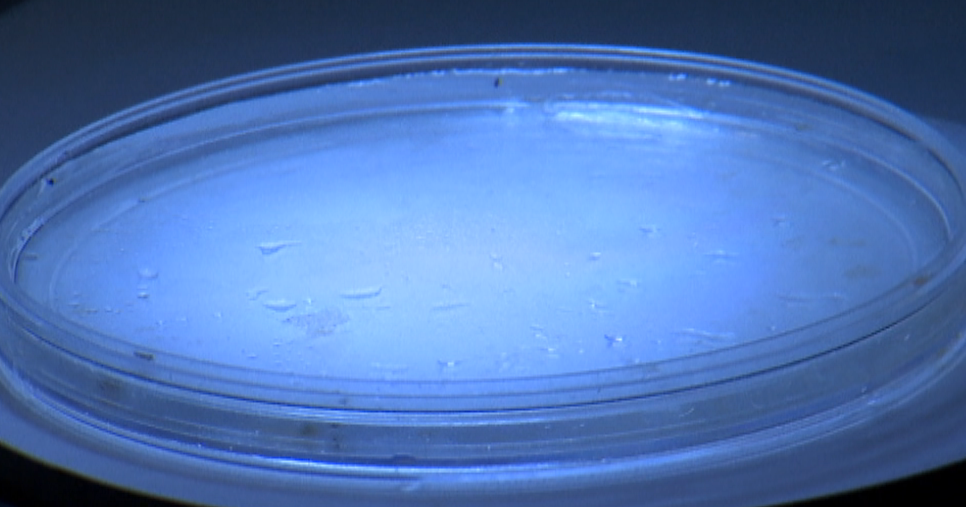
SANIBEL, Fla. (WINK) – A rare algae bloom is making its way through several Southwest Florida beaches, and researchers say it could pose a serious threat to marine life.
It is called rust tide, and this is only the second time it has been spotted in the area since 2023.
Rust tide, also known as Margalefidinium, gives the water a dark, reddish-brown color. Unlike red tide, it does not produce toxins harmful to humans.
However, it does strip oxygen from the water, making it harder for marine life to survive.
“The oxygen being taken out of the water, and when that happens, everything in the water has a harder time surviving,” a researcher said.
Researchers say recent stormy weather could be behind the rare bloom. It has been reported since Sept. 1 in areas around Sanibel, Tarpon Bay, Captiva Pass, Pine Island Sound and Cayo Costa.
Scientists are now tracking where the bloom is spreading and how it is changing.
“We do have the highest concentrations we’ve seen for any of the non-red tide blooms. It’s quite a significant amount of cells per liter and the chlorophyll amount of chlorophyll per liter is very high,” a researcher said.
While rust tide can lead to fish kills, there have not been many reports of dead fish yet.
“We’ve gotten a few reports of like just a few fish here. I don’t think I haven’t seen any reports of large fish kills, but if it persists and especially if the areas of it continue to have a very high cell count of that dinoflagellate, then it’s going to cause more fish kills,” a researcher said.
Even though the bloom is not toxic to humans, people are still advised to stay out of the water where rust tide is present.
Researchers say there is no known way to eliminate rust tide, leaving it unclear how long the bloom will last.