
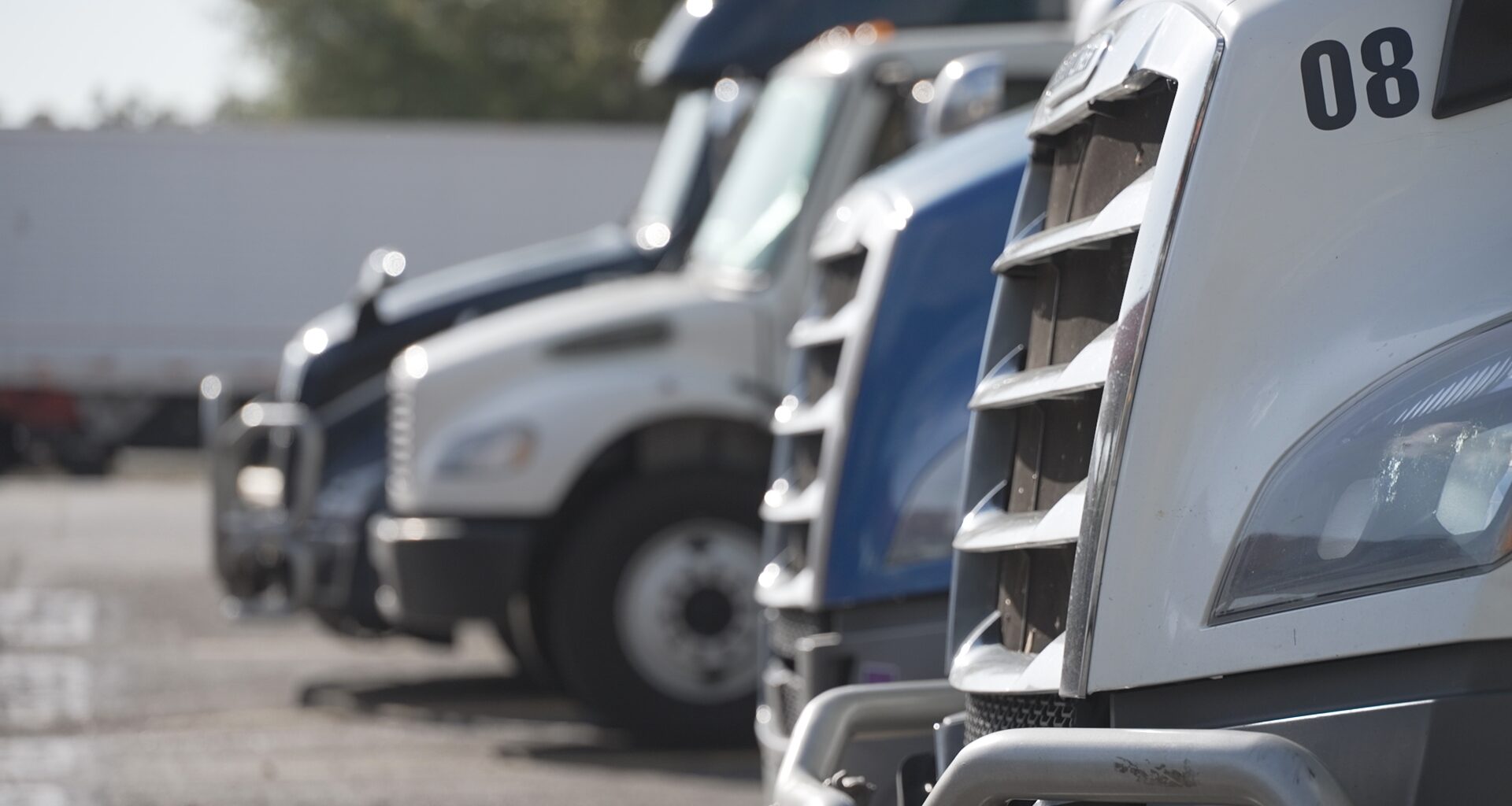
Diesel prices have reached a record nominal high as global supply disruptions strain truck drivers, moving companies and consumers.
TAMPA, Fla. — Diesel prices have reached their highest posted level on record, forcing Tampa Bay drivers and businesses to reconsider routes, expansion plans and what they charge customers.
The national average reached nearly $6.40 per gallon Thursday, according to AAA. That is approximately $2.69 higher than one year ago, an increase of about 73%.

This story continues below.
More in Gas prices
How fuel prices are impacting the groceries we buy
How fuel prices are impacting the Tampa Bay area
The current price is a nominal record, meaning it is the highest dollar amount posted at the pump. When adjusted for inflation, diesel was more expensive before the 2008 financial crisis.
Truck driver Demetrice Russell said her company regularly alerts drivers when fuel prices are expected to increase.
“Every other day I’m getting a message through my CalCom saying, ‘Hey, price is going up, top it off,’” Russell said.
Russell stopped at a Tampa-area truck stop Thursday after her company instructed her to fill her tank before another anticipated overnight increase. Her employer covers the expense, but she said the cost still determines where and how she drives.
“The last time I filled my truck up, it was like $1,200,” Russell said. “And that wasn’t even a fill-up.”
Russell has considered becoming an owner-operator but said diesel prices have pushed her to remain a company driver. Owner-operators must cover their own fuel while also paying for maintenance, tires and oil.
“I know a lot of my friends now; they were owner-operators,” Russell said. “They’re going back to company because they don’t want to deal with the fuel issues.”
Higher prices are also affecting local drivers whose routes are shorter.
Lukasz Żebrowski, who works for Tampa-based Mount Zion Movers, said fuel expenses are factored into what customers pay, particularly for long-distance moves.
“That’s been tough, not only on us, but also on the clients,” Żebrowski said. “The cost of gasoline, fuel through the roof, meaning that the prices of the move also go up with it as well.”
Żebrowski said he knows of companies that have lost business or closed as operating expenses increased.
“It takes a big toll on everybody,” he said. “The higher the cost of fuel pretty much is, it’s just the higher cost of everything in the country as far as transportation goes.”
The increase is being driven by global oil-supply disruptions connected to the war with Iran, restricted tanker traffic through the Strait of Hormuz and continued attacks on energy infrastructure elsewhere in the Middle East, Ukraine and Russia.
Diesel is particularly important to the wider economy. The U.S. Energy Information Administration says diesel-powered trucks, trains, boats and barges help transport nearly every product Americans consume. The fuel also powers most farm and construction equipment, as well as school buses, public transportation and many emergency generators.
That means consumers who never purchase diesel themselves could eventually feel its effects.
More expensive fuel raises the cost of harvesting, refrigerating and delivering food. Perishable products such as produce, meat and seafood could feel the pressure first because they must be transported and restocked frequently. Clothing, furniture, online orders and mailed packages may also become more expensive if businesses pass along transportation costs.
Those increases are not always immediate. Some companies operate under fuel contracts or temporarily absorb the added expense. However, the longer diesel prices remain elevated, the more difficult it becomes for businesses to avoid passing at least part of the cost to customers.
Some truck drivers have discussed a possible Oct. 1 work stoppage on social media to protest fuel prices and pay. Russell said she knows drivers considering participating and believes coordinated action could have an impact.
“If all the truck drivers were to come together, I think it would have a big impact,” Russell said.
As of Friday, no national trucking organization or identified organizer had announced a formal strike plan. The proposed stoppage remains an unverified social media movement rather than a confirmed nationwide action.