
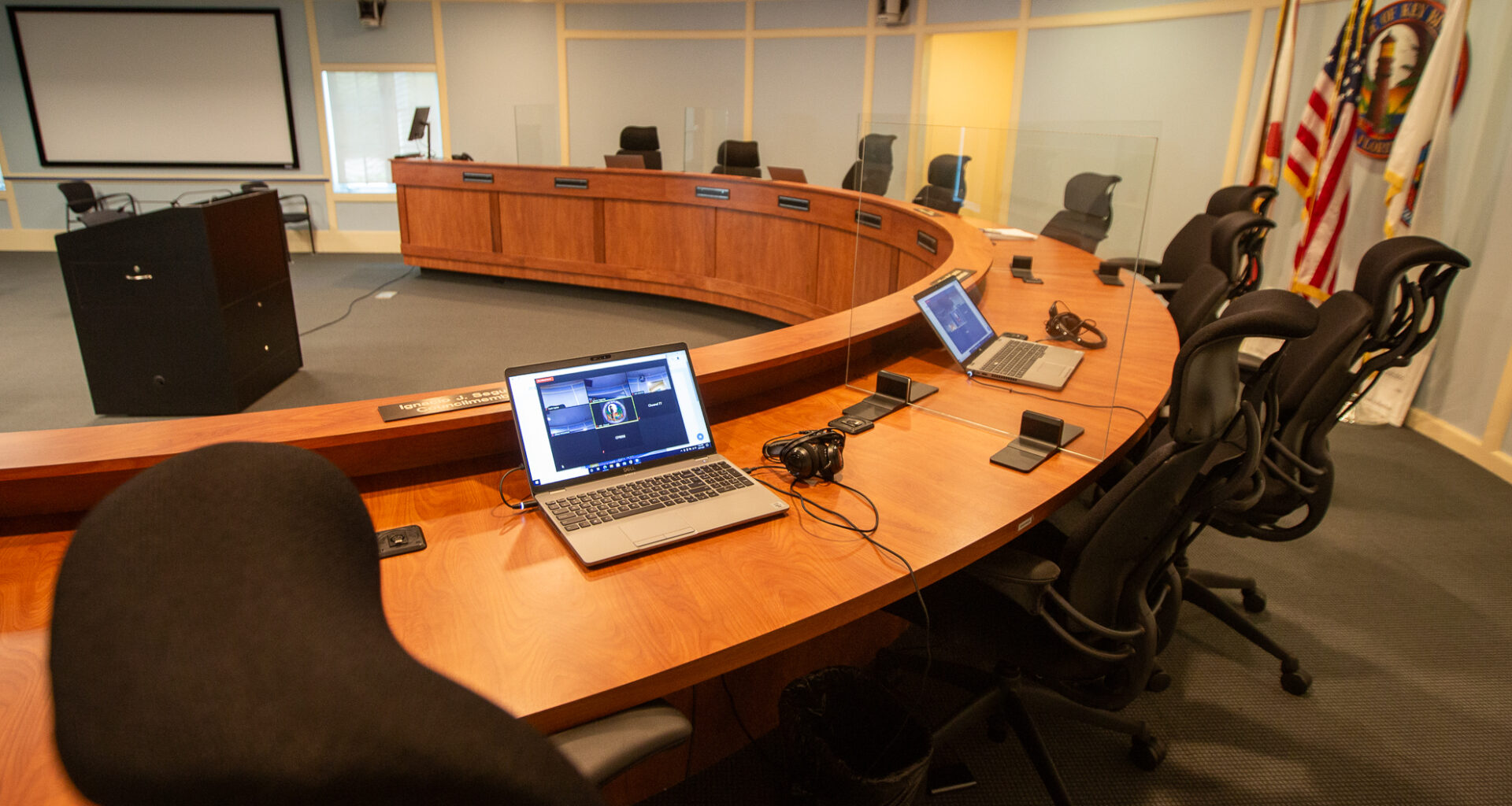
In a shift that makes burying the island’s power lines a priority, Key Biscayne’s Village Council is set to vote on a $119 million budget for 2027 next Tuesday.
Property taxes would rise about 4.6% on average. It’s another year where the island’s wealth and rising home values are allowing officials to increase tax revenue while boasting of a low tax rate.
It also involves major borrowing to start long-delayed capital projects – $36 million.
Here’s what to know:
A pivot to undergrounding utilities after Big Dig reversal
During the first budget hearing meeting Sept. 8, the Council signalled approval of Village Manager Steve Williamson’s spending plan. His budget calls for $47.2 million to fund operations — including one new full-time firefighter — and $72 million for the capital plan. The plan includes 34 projects, including a new fire truck and a police boat into addition to the undergrounding and resiliency projects.
But the biggest share of planned capital spending is the $29 million allocated to undergrounding utilities, a project the Village has considered – and put off — for decades. The next big set of spends is $24 million planned for stormwater improvements. The total infrastructure and resilience spending will sit at $56.2 million, which includes other environmental priorities for coastal protection.
The Williamson administration is estimating that completing undergrounding will need another $13 million in 2029 followed by $15 million in 2030.
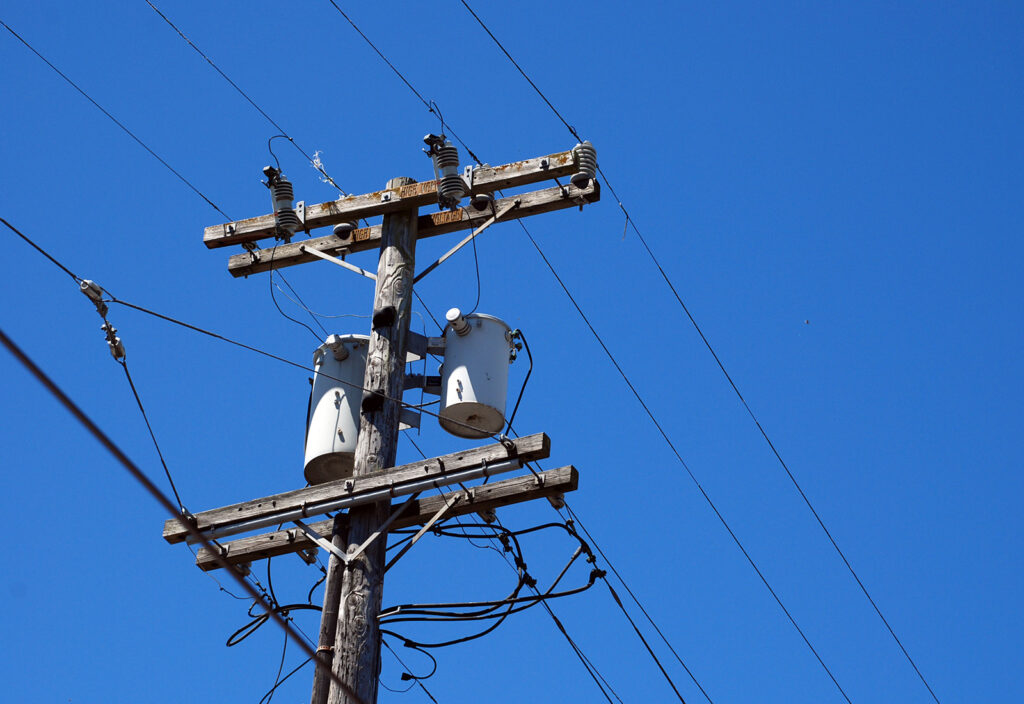
The pivot to undergrounding utilities follows Council rejection of the Big Dig stormwater plan. The AECOM project, touted by Williamson and backed by most council members for years, had been estimated to cost at least $320 million for the whole island. Many Key Biscayne residents demanded a pause, citing distrust with the project as projected costs soared.
Never miss a story! Sign up for our FREE newsletter
The 2027 capital plan relies on General Obligation Bond (GOB) borrowing. Voters in 2020 gave the Council the power to issue bonds for up to $100 million resilience projects – but final approval any GOB borrowing requires supermajority support of the Village Council.
Proposed Florida amendment could strain revenue for Key Biscayne
Future year budgets might change depending on the outcome of a proposed Florida constitutional amendment that would expand tax breaks for some residents, straining the revenue stream for local municipalities. Proponents say it could filter out wasteful local spending.
The Florida Office of Economic and Demographic Research estimates the Village would lose over $1 million in 2027-2028; $2.04 million in 2028-2029; and $2.24 between 2029-2030 from the amendment. That could mean less funding towards cultural events, maintenance, infrastructure improvements and parks, and an increase in property taxes, according to the budget draft.
Williamson previously said staff is developing a plan to make up for property tax cuts if the amendment goes through, but the impact will be felt in later years if voters approve the amendment.
Property taxes make up 71% of the Village’s revenue, according to the budget presentation. Fees, such as stormwater charges billed directly to property owners, make up another
Earlier in the year, officials learned from the County Property Appraiser that the island’s taxable property base was a bit larger than was originally thought: rising 5.1% from last year to $12.3 billion.
When property values rise, the tax base grows, which in turn leads to more government revenue.
The budget proposal also shows what officials call “Healthy Reserves” of $27.1 million, enough to cover 57.6% of the budget if needed.
A tax burden shift to renters, business
The proposed budget lowers the millage rate from 2.8846 to 2.8708, a 0.48% decrease. But with the island’s taxable property base increasing, the average property tax bill would still rise by about 4.6%, according to Village Chief financial officer Benjamin Nussbaum. Homeowners with “Homestead” properties would see a smaller increase of about 2.2%.
The difference means that once again, the tax burden of public services in Key Biscayne is being shifted to renters and businesses and away from homeowners. Only U.S. citizens and people with “green cards” are eligible for the Homestead tax break.
During public comment, Village Council candidate Luis de la Cruz, who sat on the Council eight years ago, said the Council needs to re-evaluate the budget since the amendment expanding the exemption is likely to pass. Recent polls have shown the measure is slightly above the 60% threshold needed to become part of the state constitution.
“We are very fortunate in Key Biscayne that the homestead exemption increase is not going to affect us very much” De La Cruz said. “It’s going to be very sad for a lot of other places in Miami-Dade County.”
Mayor-elect Brett Moss said the capital improvement plan is unrealistic and that any new position, such as the firefighter, needs to be properly vetted before being added to the budget.
The Fire Rescue Department had conducted a detailed analysis on staffing needs, including disaster preparedness earlier, and is trying to plug holes after several top leaders retired.
The second hearing is expected to start at 6:30 p.m.

Ava Menkes is a senior reporter with the Independent, covering local government and accountability. She graduated from the University of Wisconsin-Madison with degrees in journalism and political science, and minors in history, European studies and Russian, Eastern European and Central Asian studies. She previously interned with theRaleigh News & Observer,Wisconsin Watchand Isthmuscovering state politics, investigations and elections. She also worked withThe Nation,and served as managing editor of her university’s paperThe Daily Cardinal, leading 2024 presidential coverage.