
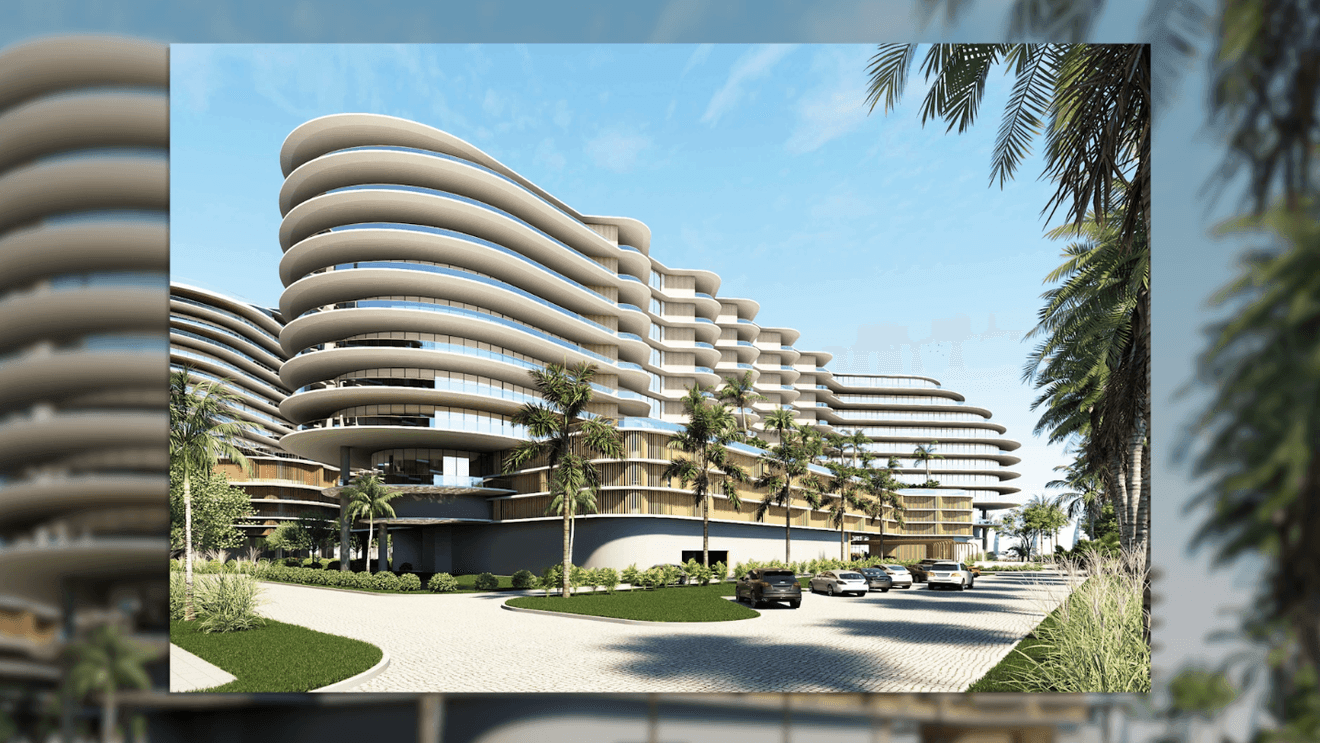
FORT PIERCE, Fla (CBS12) — A proposed luxury waterfront development in Fort Pierce is drawing renewed attention after city commissioners approved a motion to explore hiring outside legal counsel to review whether the city has any options to challenge the project under Florida’s Live Local Act.
The Sept. 14 vote comes as cities across Florida continue testing the limits of the state’s Live Local Act and lawmakers implement the latest round of changes to the law.
The proposed Causeway Cove development on South Hutchinson Island has become one of the Treasure Coast’s most closely watched growth disputes, putting residents and local officials at odds with a state law that limits how much control cities have over certain housing projects.
At its Sept. 14 meeting, the commission approved a motion to explore hiring an outside land-use attorney to determine whether Fort Pierce has any legal grounds to challenge the project under the Live Local Act. The city is also monitoring lawsuits filed elsewhere in Florida that seek to restore greater local control over development decisions.
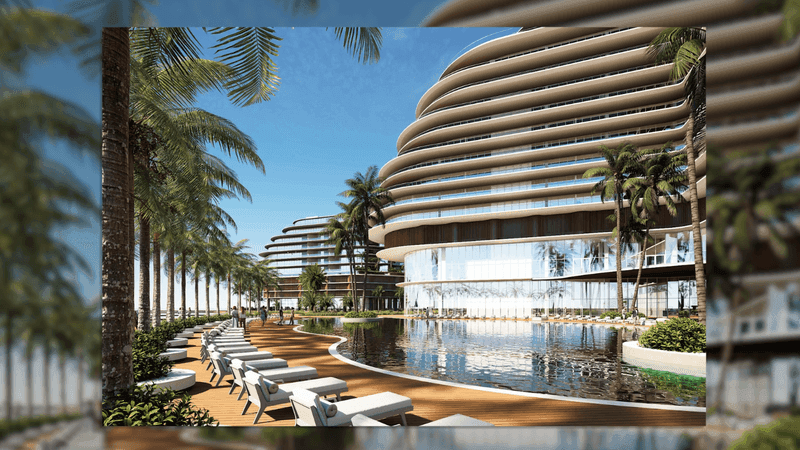
CAUSEWAY COVE: A proposed waterfront residential & hotel development at the current Causeway Cove marina site in Fort Pierce South Hutchingson Island is moving forward. City leaders say a state law leaves them with little say. According to city records, the project on Seaway Drive would include 913 residential units, two hotels totaling 407 rooms, more than 72,000 square feet of retail and commercial space, 218 marina slips and five buildings ranging from 11 to 17 stories tall. (Courtesy: City of Fort Pierce)
The move comes as Florida enters the latest phase of the law. Known as Live Local 4.0, the most recent changes took effect July 1, 2026, expanding eligible development sites and further clarifying protections for qualifying projects that include affordable housing.
Qualifying developments must continue to reserve at least 40% of units as affordable rental housing for at least 30 years.
Now, Fort Pierce finds itself at the center of a broader statewide debate over growth, affordable housing and home rule.
The proposed redevelopment would dramatically transform the Causeway Cove property along Seaway Drive. According to city records, plans call for five towers ranging from 11 to 17 stories, 913 residential units, two hotels totaling 407 rooms, more than 72,000 square feet of retail and commercial space, and 218 marina slips.
For residents like Edie Harrison, the project would the area known for its waterfront views, boating access and small-town character.
“Everything is still very quaint,” Harrison said. “It’s one of those gems.”
Harrison and hundreds of other residents have raised concerns about the size of the development, traffic impacts and what they view as a lack of public input.
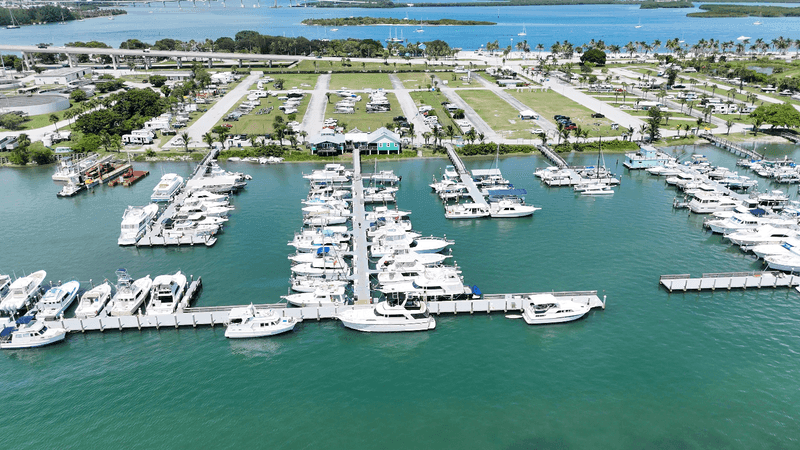
CAUSEWAY COVE: CBS12 News Drone 12 flies over the site of the proposed Causeway Cove redevelopment. The luxury project would bring five towers, 913 residential units, two hotels and more than 72,000 square feet of retail and commercial space to South Hutchinson Island. (WPEC)
At the center of the fight is Florida’s Live Local Act, a law passed in 2023 to encourage the construction of affordable and workforce housing across the state. The law allows qualifying projects to bypass certain local zoning, density and height restrictions if affordability requirements are met.
City officials have repeatedly said the proposed Causeway Cove project qualifies under the law and therefore moves through an administrative review process rather than a traditional public hearing and commission vote.
For critics, that process has become one of the most controversial aspects of the proposal.
Fort Pierce Commissioner Michael Broderick said residents’ concerns extend beyond the size of the development.
“The concern is density, traffic flow,” Broderick said, pointing to longstanding concerns about capacity on Seaway Drive.
Another major debate centers on affordability.
Under Live Local, affordable housing calculations are based on regional income levels rather than income levels specific to Fort Pierce. Critics argue the formula can produce rents that technically qualify as affordable under state guidelines but remain difficult for many local residents to afford.
According to city officials, some qualifying units could rent for more than $2,300 per month, while Fort Pierce’s median rent is substantially lower.
Broderick said many residents question whether those figures reflect true affordability within the city.
Even some lawmakers who supported the legislation have raised concerns about how it is being applied.
A month ago, State Rep. Dana Trabulsy, whose district includes parts of the Treasure Coast, has recently questioned whether developments of this scale reflect what legislators intended when they approved the measure.
The Fort Pierce dispute is also part of a much larger battle unfolding across Florida.
Several lawsuits challenging aspects of the Live Local Act are moving through the courts as cities seek to regain greater authority over local development decisions. Supporters of the law argue it is helping address Florida’s housing shortage, while critics contend it has weakened local home-rule powers and limited communities’ ability to shape growth.
Land-use attorney Keith Poliakoff, who has represented clients in Live Local disputes across the state, said local governments generally have limited discretion once a project satisfies state requirements.
Poliakoff said the law effectively requires municipalities to administratively approve qualifying projects, even when residents or local leaders oppose the density, height or scale of a development.
State data show more than 200 Live Local projects have been proposed or approved across Florida, making the law one of the most significant growth and housing measures enacted in recent years.
Related 2024 article: $100M Kanner Hwy development in Stuart: Affordable housing powered by Live Local Act
If things move forward as anticipated, construction on the Causeway Cove development could begin before the end of the year.
The property’s owner, Palm Beach developer Ashton DePeyster, did not respond to requests for comment.
This report is part of an ongoing CBS12 News I-Team investigation examining the impact of Florida’s Live Local Act, the legal challenges surrounding the law, and how communities across the Treasure Coast are responding to large-scale development projects.