
TAMPA, Fla. — As dengue fever cases continue to rise across the Tampa Bay area, Hillsborough County Mosquito Management officials say recent mosquito testing shows an encouraging trend.
County officials said mosquito testing pools that had previously tested positive for dengue have seen a dramatic decrease in recent weeks.
According to Hillsborough County, mosquito crews had recorded 16 positive test pools for four consecutive weeks. However, in the two most recent weeks, the county reported zero positive test pools.
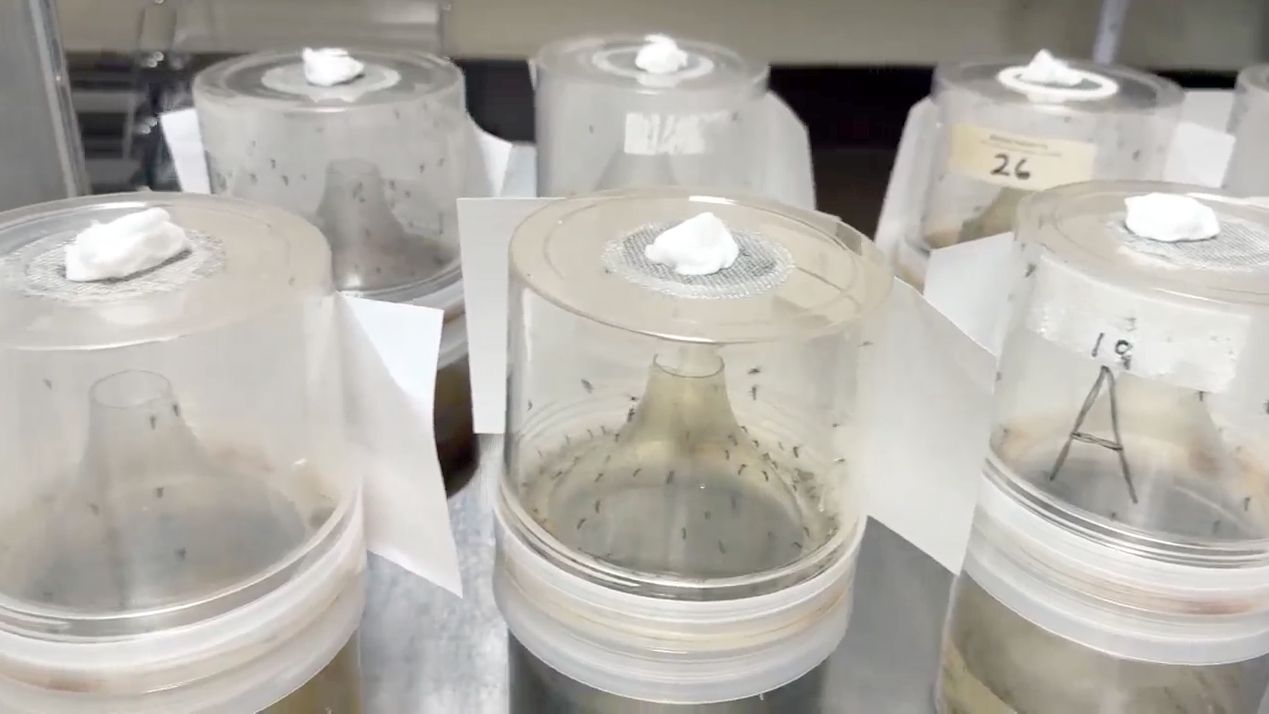
Paola Pecora, a senior environmental scientist with Hillsborough County, said the county tracks dengue activity in the mosquito population by setting traps and testing the mosquitoes collected inside. Each trap is considered a testing pool.
The county says the drop suggests efforts to target the Aedes aegypti mosquito — the species that can carry dengue — are working.
Still, officials warned it is not time to ease up on precautions. Hillsborough County has reported 134 confirmed cases of dengue infection, and officials say there are likely additional cases among people who have mild or no symptoms.
Pecora said an infected person can still help spread the virus if they are bitten by a mosquito.
“Potentially, that person being bit by that mosquito, that mosquito can then more or less contract the virus and then spread that to another person through biting,” Pecora said. “If you’re feeling sick, I would stay at home. I would seek medical professional help.”
Hillsborough County continues to advise residents to inspect their homes and yards for items that can hold standing water. Pots, buckets, toys, equipment and tires can all become breeding grounds for Aedes aegypti mosquitoes.
The county also recommends people who spend time outdoors wear long sleeves and pants and use insect repellent, especially while mowing, walking, running or doing other outdoor activities.
Mosquito management crews are continuing to monitor areas where human dengue infections have been reported and are targeting those areas with door-to-door and aerial spraying. Officials say those efforts are not expected to slow down in the short term.
County officials said cooler weather may eventually help reduce mosquito activity, as Aedes aegypti mosquitoes become less active when temperatures fall below 70 degrees.