
PENSACOLA, Fla. — Many Florida workers are going to get a boost in their paychecks soon. The state’s minimum wage will increase by one dollar at the end of this month.
Businesses owners say that higher pay means higher operating costs for them. Economists say higher wages often mean slightly higher prices for consumers.
Starting Sep. 30, Florida’s minimum wage will go up by one dollar. That brings minimum wage to $15 hourly for non-tipped employees and $11.98 hourly for tipped employees.
“What happens, who’s paying that?” said Collier Merrill, president of Great Southern Restaurants. “It’s not the government paying that, it’s the individual owners, the restaurant owners or shop owners.”
Business owners agree. When paychecks rise, so do overhead costs, and in many cases, prices.
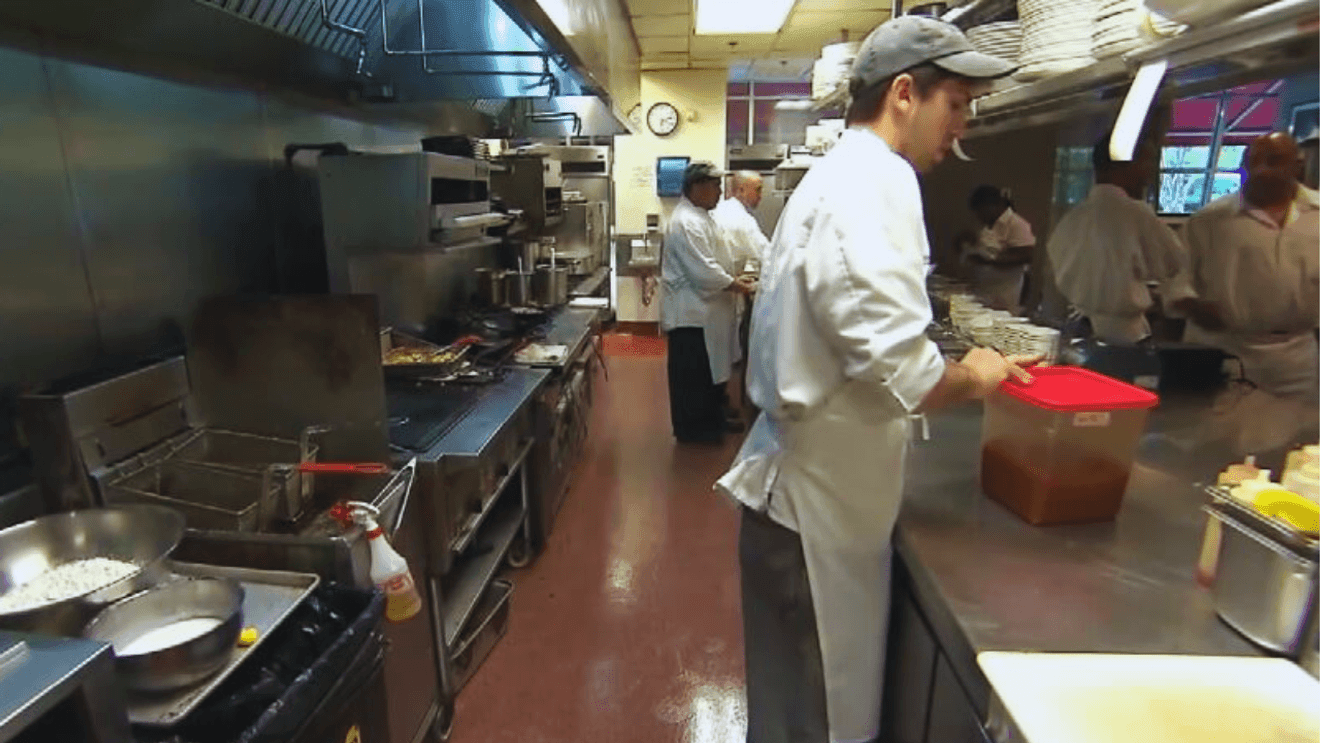
Merrill owns several restaurants in Pensacola.
“We have 400 employees.” Merrill said. “They’re not all in the middle of a wage but if they get a bump for dollars you pretty much got to give everybody a bump. You know, so somebody can make an 18 and you got to put into 19. So when you multiply that out, 400 employees average 2,000 hours a year, that’s $800,000 increase in my payroll.”
He says every day is a balance between adjusting for higher wages and keeping menu prices affordable.
Bruce Camacho, who owns the Cycle Joint on Palafox Street, says wage increases are important for worker retention.
“I think also as a small business owner, we should look after our own business, which includes our team members and pay them what’s a fair wage for their work effort, because without them you wouldn’t have a business,” Camacho said.
The pay bump comes from an amendment voters passed in 2020, requiring minimum wage to go up by one dollar every year until this year.
Starting next year, future increases will be calculated each year based on inflation.
Economist Rick Harper says business owners will cut hours for minimum wage employees and hire less of them, too, when minimum wage rises.
“It’s young people, often minorities who are working at minimum wage to get the valuable job training that they need to move to higher wage occupations,” Harper said. “And so when businesses have to economize on the use of minimum wage labor because it’s just too much of an addition to their cost structure. And they have to worry about customer losing customers to online sales, then what you see is that they’re going to hire fewer of those entry-level positions.”
By the end of this month, Florida will be the 19th state to have at least a $15/hour minimum wage.
Watch economist Rick Harper’s full interview below:
WEAR News interviews local economist Rick Harper.