
According to Tampa Bay Watch, Tampa Bay has 217 acres of oyster reefs. In the 1940s, the habitat was about 2,000 acres.
Pinellas County Commissioner Kathleen Peters is joining forces with the City of Madeira Beach and the University of Florida Institute of Food and Agricultural Sciences (UF/IFAS) Extension to educate residents about the impact of oysters.
The “Help the Bay: Vertical Oyster Garden Workshop & Giveaway” event will be held Saturday at Patriot Park, at 424 150th Avenue, from 9 to 11 a.m.
For Peters, supporting the gathering was an easy decision.
“Ensuring that we have good water quality is critical,” she told the Catalyst. “Oysters filter out pollutants, improve the water quality, the clarity of the water and they help create a habitat for fish, crabs, shrimp and other wildlife.”

Pinellas County Commissioner Kathleen Peters
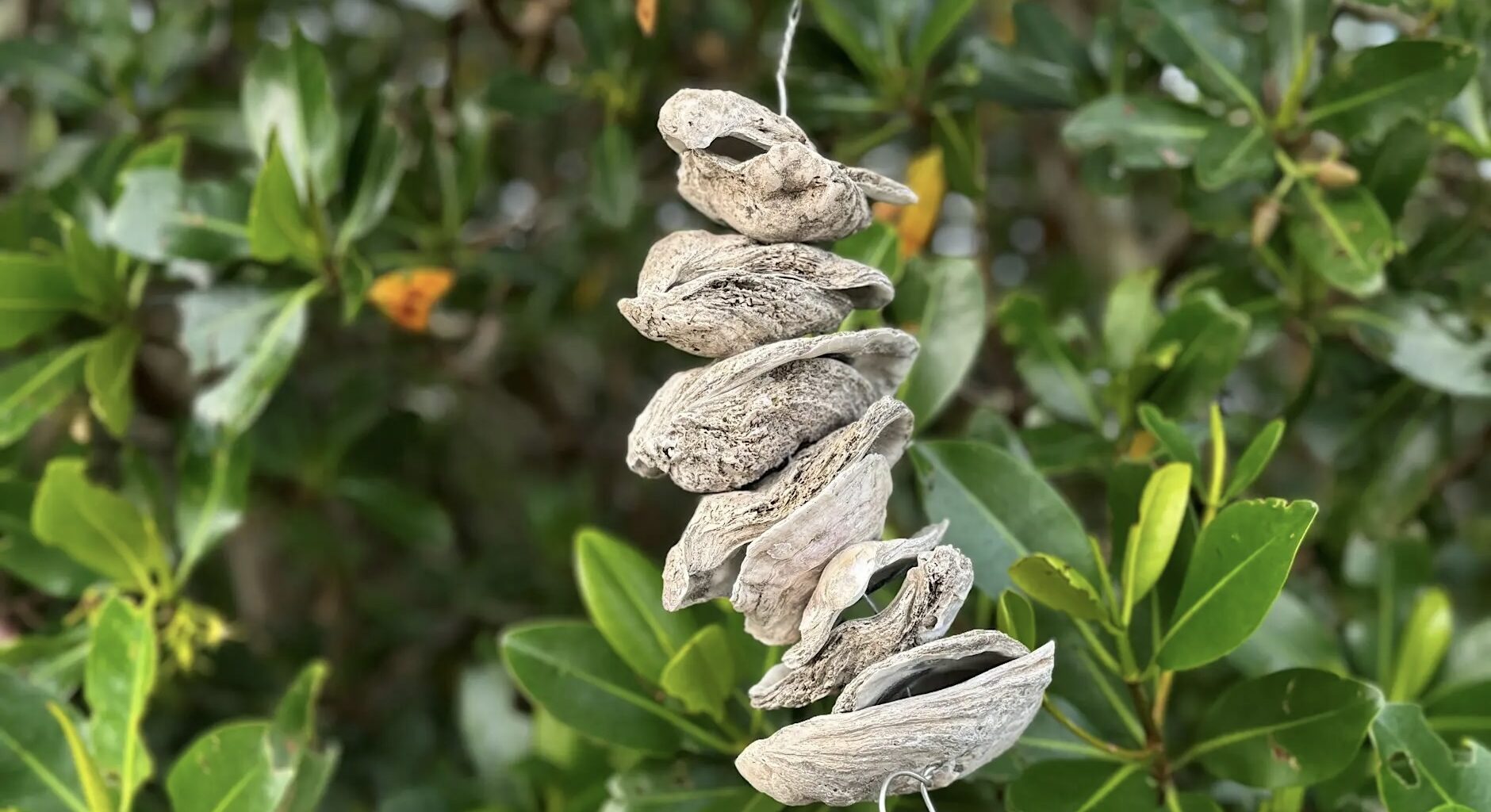
Peters explained that vertical oyster gardens are created out of recycled oyster shells. These shells are placed on a rope or wire and then are suspended from docks or piers. Eventually, young oysters attach to the shells and grow into their adult forms.
“We are hosting the event largely because of the significant decline of oysters that we’ve seen in the Tampa Bay area,” said Lara Milligan, UF/IFAS Extension natural resources agent for Pinellas County. “Typically restoration is kind of these larger scale projects that require permitting.”
Participants will learn more about vertical oyster gardens and have the opportunity to build one to take home. Additionally, attendees can receive a pre-made VOG if they do not want to create one from scratch.
The UF/IFAS Extension has offices throughout Florida. According to the Extension’s website, the initiative is “a partnership between state, federal and county governments to provide scientific knowledge and expertise to the public.”
“First and foremost, with events, I feel like it’s a really good way to build a sense of community and show that by bringing people together, we can really make a difference and impact,” Milligan said. “I feel that there is a defeated mindset when it comes to different environmental issues.”
She argued that by proactively working on restoring the oyster population, residents can help create a legacy in the Tampa Bay area. The results can be generational.
Peters echoed the sentiment.
“It’s an incredibly easy way for every resident that lives on the water to help project our water quality,” she said. “I hope they take away that it doesn’t take a lot of effort to help the environment.”
To learn more and register for the event, visit this link.