
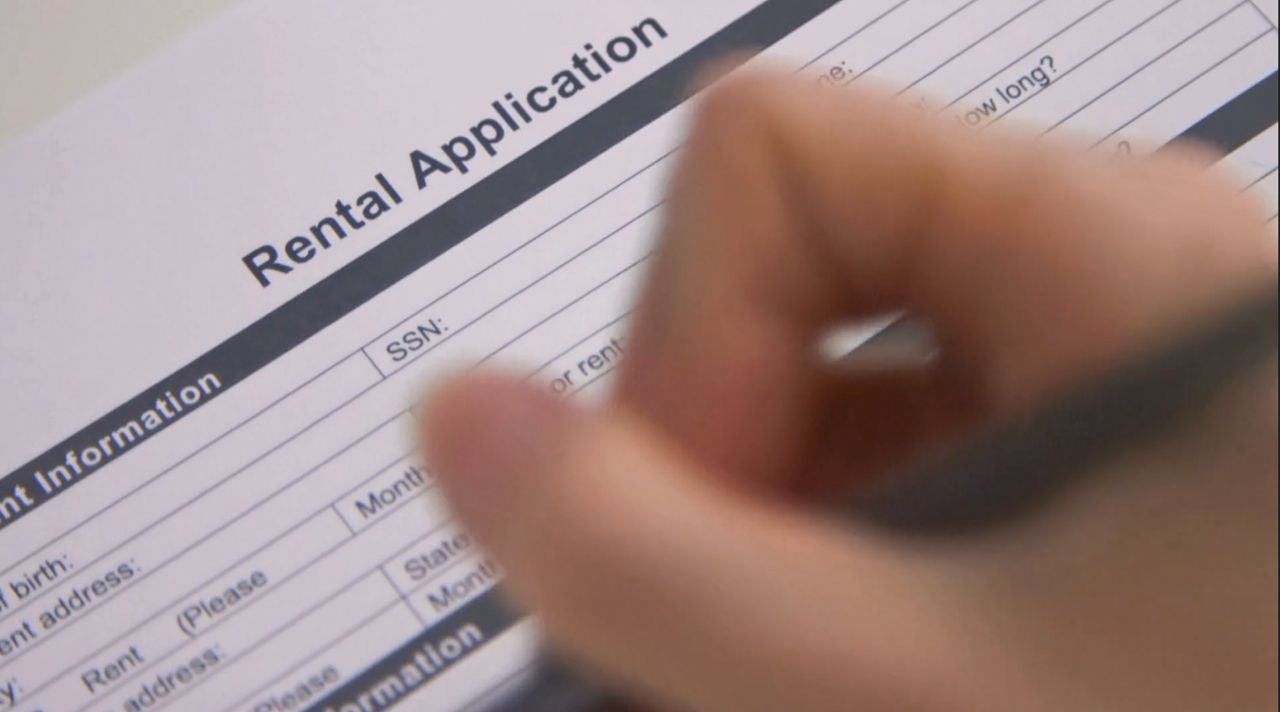
TAMPA, Fla. — A new Florida law taking effect Oct. 1 will make certain types of rental application fraud a third-degree felony, giving landlords another tool to address fraudulent applications while raising concerns among tenant advocates about the consequences for renters.
House Bill 1293, signed into law in June after passing unanimously in both legislative chambers, makes it a felony to knowingly and willfully use forged financial documents, falsify identity information or impersonate someone else to fraudulently gain possession of a rental home.
The law comes as property managers report increasingly sophisticated fraud, including the use of artificial intelligence to fabricate financial records.
A National Multifamily Housing Council survey conducted between November 2023 and January 2024 found that 93.3% of 75 responding apartment owners, developers and managers had experienced fraud during the previous year. More than 84% of those respondents reported encountering falsified pay stubs, employment references or other income documents.
Eric Garduño, government affairs director for the Bay Area Apartment Association, said artificial intelligence has made detecting fraudulent applications increasingly difficult for Tampa Bay landlords.
“These days, with AI really coming into play, it’s getting harder and harder to distinguish the genuine documents from the fraudulent ones,” Garduño said.
He said fraudulent applications can create financial burdens for apartment communities and prevent qualified applicants from securing available housing.
“At the end of the day, you know the people who are coming into apartment communities with fraudulent documents, they’re taking away opportunities for others who want to rent that apartment,” he said.
Tenant advocates question criminal penalties
While landlords welcome the additional legal protections, the St. Pete Tenants Union argues that felony penalties could create additional hardships for people already struggling to secure affordable housing.
Charles Phillips, a representative of the union, said housing insecurity can lead some applicants to misrepresent their financial circumstances.
“Criminal penalties are absolutely not necessary,” Phillips said. “The best way to actually promote renters and to protect them and ensure that they have access to adequate housing is to invest in public housing.”
Phillips also expressed concern that a felony conviction could affect a renter’s future employment and housing opportunities.
Under the new law, prosecutors must establish that a person knowingly and willfully engaged in specified fraudulent conduct to gain possession of a residential dwelling. An ordinary application error does not automatically constitute a felony.
New law changes eviction procedures
In addition to creating a criminal offense, the legislation allows landlords to terminate rental agreements when tenants fraudulently obtain possession of a property.
Landlords can issue a seven-day notice to vacate without giving tenants an opportunity to correct the violation. If tenants refuse to leave, landlords must still pursue the applicable legal eviction process.
Attorney James Shaw said the legislation changes how landlords can address fraudulent entry.
Previously, landlords faced additional legal hurdles when seeking to remove tenants accused of obtaining a property under false pretenses, Shaw said.
He urged tenants who receive a termination notice to seek legal representation immediately.
The law takes effect Oct. 1, as landlords hope the new penalties will discourage fraud and tenant advocates continue to raise concerns about the potential consequences for renters.