
NEED TO KNOW
A Pinellas County resident was the latest of 23 reported Vibrio infections statewide this year in Florida
Health officials have linked many cases to contaminated oysters, which can concentrate the bacteria
The state recorded 19 deaths during a larger 2024 outbreak that sickened 82 people
A fifth person in Florida has died of a flesh-eating bacteria commonly linked to eating raw seafood as cases of Vibrio in the state continue to climb.
A Pinellas County resident is the latest to die amid an increasing number of cases of Vibrio vulnificus, which has sickened 23 people this year, Florida Department of Health confirmed. Previous fatalities included residents from Bay, Broward, Marion and Palm Beach counties.
This year’s death toll now meets that from 2025, when five died and 33 were sickened from the virulent bacteria. In 2024, the state saw a severe outbreak of Vibrio that sickened 82 and killed 19 people.

Vibrio Vulnificus
Credit: BSIP/UIG Via Getty
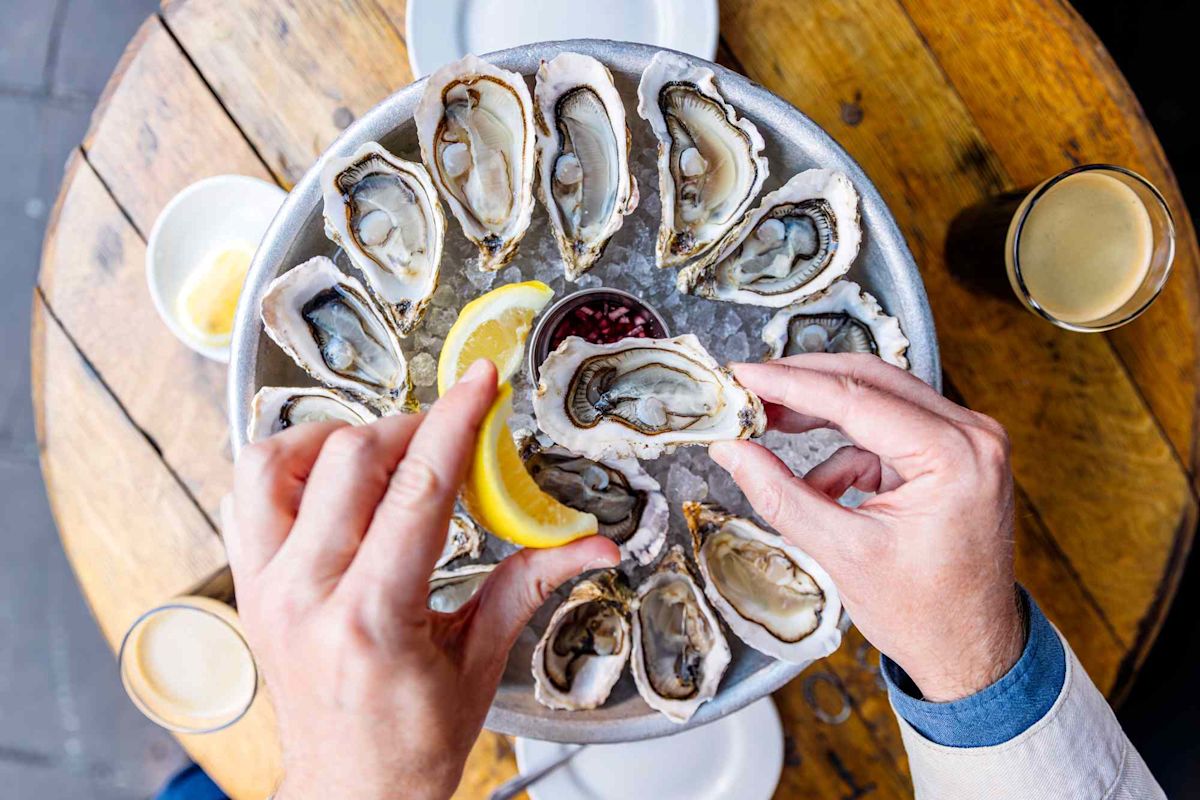
Vibrio is a bacterium that naturally lives in coastal waters, according to Centers for Disease Control and Prevention. The majority of people are sickened by it after eating raw or undercooked shellfish, namely oysters, because the bacteria will “concentrate” inside the shellfish.
However, it can also cause an infection if a swimmer has an open wound, recent tattoo or piercing.
The bacteria can cause flu-like symptoms such as fever, vomiting, stomach cramps and diarrhea. But it has earned the nickname “flesh-eating bacteria” due to the death of the skin around the cut where the bacteria entered the body.
The Florida Department of Health has reportedly linked many of the state’s cases to the consumption of contaminated oysters, per WFLA.
To avoid getting Vibrio vulnificus, the health department suggests avoiding raw oysters or other raw shellfish and cooking shellfish like oysters, clams, mussels thoroughly before ingesting them. They recommend boiling shucked oysters or frying them for at least 10 minutes at 375°F.

The water near Fort Myers, Florida
Credit: Jeffrey Greenberg/Universal Images Group via Getty
Take PEOPLE with you! Subscribe to PEOPLE magazine to get the latest details on celebrity news, exclusive royal updates, how-it-happened true crime stories and more — right to your mailbox.
Dr. Keith Schneider, a professor of food safety at the University of Florida’s Institute of Food and Agricultural Sciences, told Serious Eats people should avoid eating shellfish in months that have the letter R in them.
“Sometimes, the old adage is just true,” Schneider told the outlet. “Warmer waters mean that there are more pathogens in the water, and we have seen upticks in [Vibrio] illnesses in the summer for decades. These organisms just thrive in warmer water.”
Read the original article on People