
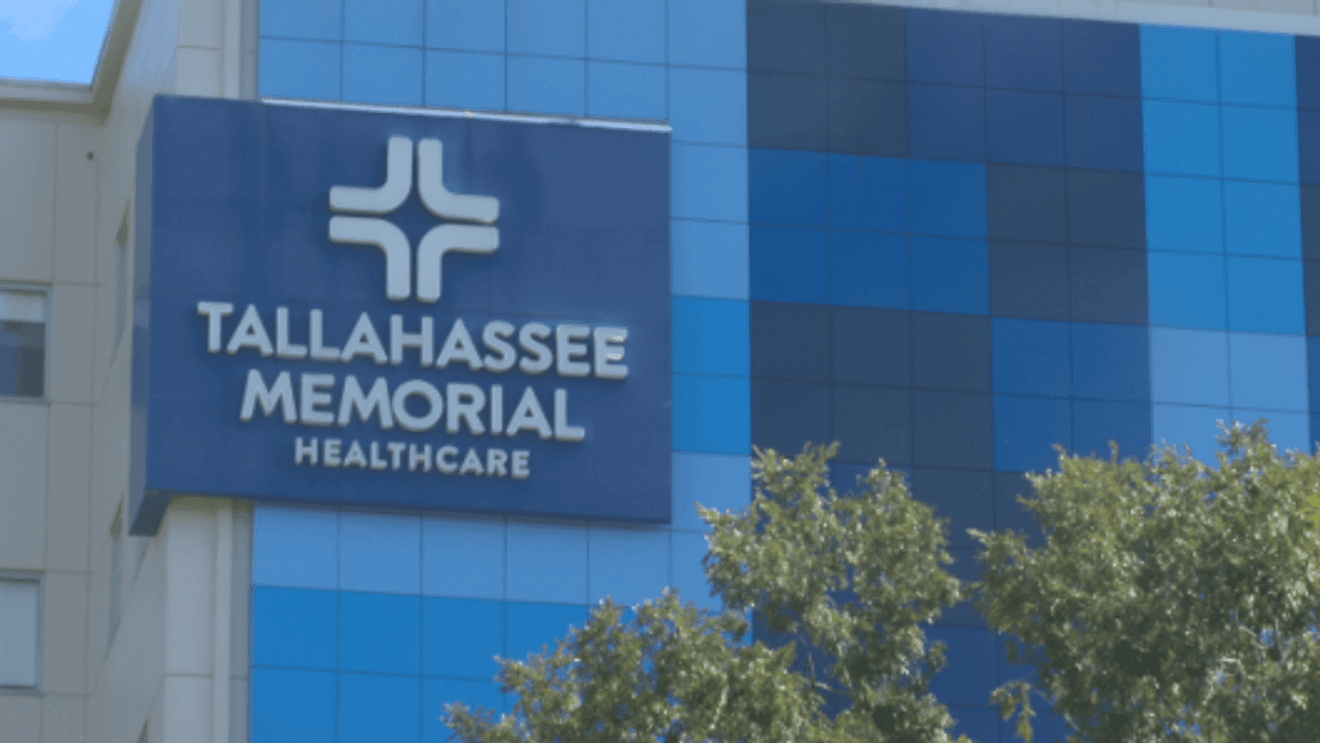
TALLAHASSEE, Fla. — The agreements that will shape the future of Florida State University’s health partnership with Tallahassee Memorial Healthcare are now final, setting the stage for expanded specialty care, medical training and research while TMH continues running the hospital day to day.
FSU President Rick McCullough said the goal is to build on existing care in the region. “So, it’s about really taking the good health care that we have in this region and expanding it and making it even better than it is now.” McCullough said.
For now, TMH will keep managing the hospital’s day-to-day operations. FSU and TMH also said patients can keep seeing their established care teams.
TMH CEO Mark O’Bryant said the partnership is expected to bring additional services to the area. “This includes more specialized care, bringing in services that people have had to travel away to get,” O’Bryant said.
The deal has been years in the making. The Tallahassee City Commission approved the transfer of city-owned hospital assets to FSU in March, and the legal transfer was completed in April.
City Commissioner Jack Porter, who opposed the transfer, said finalizing the agreements does not change her position. “I think it was really irresponsible for the city to move forward — the city majority — with transferring the assets, giving up all of our leverage, without even knowing if an academic medical center would result, because it could have been a stalemate. This could have fallen apart,” Porter said.
Porter said she supports expanding health care in the region but believes the city should have handled the transfer differently. “Absolutely, I think that almost everyone I’ve encountered supports expanding health care in this region,” she said.
FSU said its next steps include building up specialty care and medical training, including programs in trauma surgery, pulmonary and critical care, and minimally invasive and bariatric surgery.
McCullough said additional areas could be expanded as planning continues. “You have to figure out what is best for the region, but just a quick look at what I know, clearly we could be expanding cardiology, pediatrics, women’s health, imaging, eventually oncology and certainly orthopedics,” he said.
While the agreements are now signed, officials said the biggest changes for patients will take time as those plans are turned into care.