
Elevated tides and additional rain are prolonging flooding concerns, with some Miami Beach residents left without electricity or hot water.
Published Oct 1, 2026 2:58 PM EDT
|
Updated Oct 1, 2026 7:20 PM EDT
King Tides caused coastal flooding in Fort Lauderdale, Florida, and other parts of the region on Sept. 28. The National Weather Service warned that above-average tides could continue for several days.
Coastal flooding has spilled into South Florida streets and condominium garages this week as king tides following the weekend’s full moon push water into low-lying neighborhoods.
Video recorded Monday morning in Fort Lauderdale showed canal water reaching street level during high tide, blurring the boundary between the waterway and the road.
Vehicles drive through a flooded roadway in South Florida, on September 27, 2026, as coastal flooding affected the area during high tide and hazardous surf conditions. (Photo by Christopher Beckett/NurPhoto via Getty Images)
In Miami Beach, flooding has disrupted essential services at multiple condominium buildings. CBS News reported that water entered parking garages and underground building systems, leaving residents without power and hot water.
Higher-than-average tides are forecast through Thursday afternoon, with minor coastal flooding possible within roughly 1½ to 2 hours before and after high tide. Additional rainfall could worsen conditions.
A flood watch is in effect for southeastern Florida through Thursday afternoon, while a coastal flood advisory remains in place for the upper Florida Keys until Friday morning.
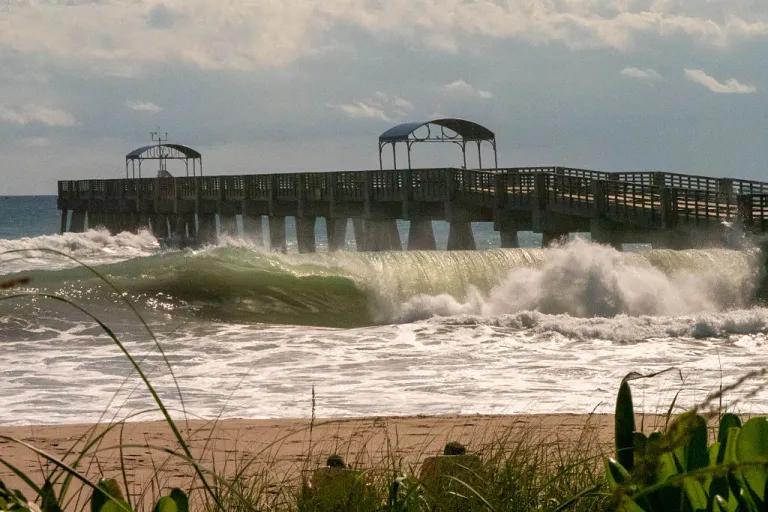
Dangerous rip currents are forecast through Saturday for the Space Coast beaches and South Florida.
Vehicles are seen on a flooded roadway in South Florida, on September 27, 2026, as coastal flooding affected the area during high tide and hazardous surf conditions. (Photo by Christopher Beckett/NurPhoto via Getty Images)
“King tide” is an informal term for exceptionally high tides typically occurring around new and full moons, when the gravitational effects of the sun and moon reinforce one another. Tides can rise even higher when the moon is closer to Earth in its orbit.
In Florida, king tides are most common in the fall, when seasonal changes in ocean currents and water temperatures help bring sea levels to their highest levels of the year. These tides can flood coastal roads and other low-lying areas even without rain, a phenomenon often called sunny-day flooding.
Heavy rain adds another source of water to already vulnerable neighborhoods. High tides can overwhelm drainage systems, while strong onshore winds can push additional seawater toward the coast and worsen flooding.
Although king tides are a natural occurrence, rising sea levels allow coastal flooding to reach farther inland and persist longer, according to Miami-Dade County.
Residents should avoid walking or driving through flooded areas and move vehicles to higher ground before water rises. Floodwater can conceal hazards, and driving through it can damage vehicles.