
CLAY COUNTY, Fla. – A child between the ages of 10 and 14 was diagnosed with vibriosis in Clay County in September 2026, according to state health data. The case is one of 24 locally acquired cases reported across Florida since March 2026.
Vibrio are bacteria that naturally live in coastal waters and are found in higher concentrations between May and October — putting the September case squarely within the peak season for exposure.
What is vibriosis?
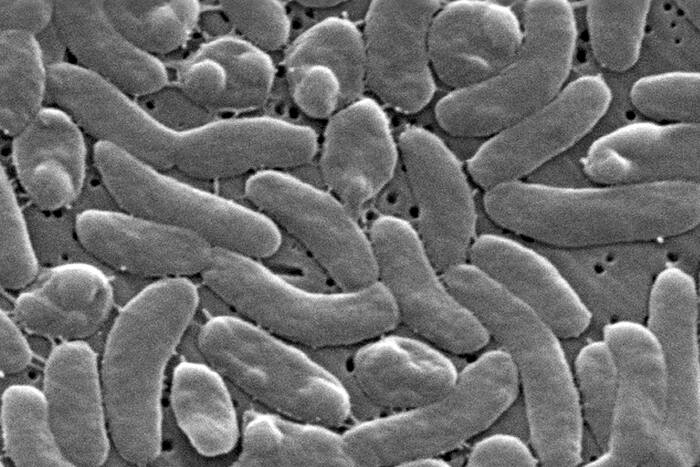
Vibriosis is a human illness caused by any of about a dozen species of Vibrio bacteria found in saltwater and brackish water along Florida’s coast.
Most people get infected by eating raw or undercooked shellfish — particularly oysters — or when an open wound comes into contact with coastal water.
How serious can it get?
For most people, vibriosis causes watery diarrhea, stomach cramps, nausea, vomiting, fever and chills.
But in more serious cases, certain Vibrio species — particularly Vibrio vulnificus — can cause life-threatening infections, including necrotizing fasciitis, a severe condition in which the flesh around an open wound begins to die. According to the CDC, about 1 in 5 people infected with Vibrio vulnificus die, sometimes within a day or two of becoming ill.
When to seek emergency care
Parents and caregivers should watch for signs of a wound infection — including redness, pain, swelling, warmth, discoloration and discharge — or symptoms of a bloodstream infection, such as fever, chills, dangerously low blood pressure and blistering skin lesions.
The CDC urges anyone with those symptoms to seek emergency care immediately and not to wait. If visiting a healthcare provider, be sure to mention any recent exposure to coastal water or consumption of raw or undercooked seafood.
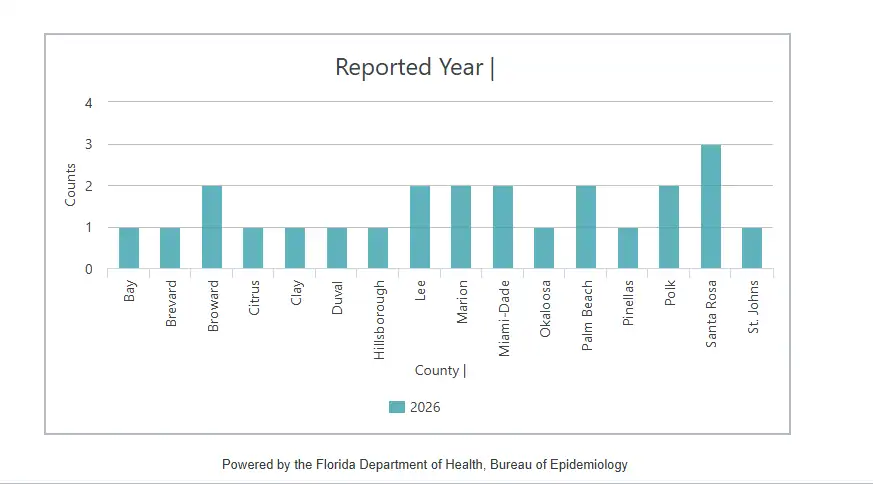 Florida vibriosis cases in 2026 (Florida Department of Health)A statewide concern
The Clay County case is part of a broader pattern across Florida. Santa Rosa County has reported the most vibriosis cases in the state, with three confirmed since March 2026.
Other Northeast Florida counties have also been affected. Duval County reported a vibriosis case in August in a patient between 60 and 64 years old, and St. Johns County reported a case in April in a patient between 75 and 79.
How to reduce risk
Anyone can get vibriosis, but a few simple precautions can reduce risk significantly.
Avoid eating raw or undercooked shellfish, especially oysters. Keep open wounds out of saltwater and brackish water. Those with underlying conditions — including liver disease, cancer, diabetes or HIV — face a higher risk of severe complications and should take extra care.
Copyright 2026 by WJXT News4JAX – All rights reserved.