
Shutterstock/Tricky_Shark
Living in Miami, we’re all too familiar with sunny day flooding, phenomenon when neighborhood streets look like a canal despite there being no rain clouds in the sky. Unsurprisingly, that time of year is back as King Tide season is upon us.
But let’s start from the beginning — what exactly are King Tides? Technically known as perigean spring tides, these are the highest predicted tides of the year. While the first major events of 2026 occurred between September 10 through 13 and September 26 through 30, another series of extreme tides is expected to return.
It’s the perfect storm of environmental factors. The ocean water is at its warmest in the early fall, causing the water to expand, and seasonal onshore winds push the water levels even higher toward our coasts. Add sea-level rise to the mix, and these tides are happening more frequently and pushing further inland than they used to.
Here’s what you need to know about staying prepared for Miami’s 2026 King Tide season, especially in low-lying and coastal areas.
When are King Tides in Miami expected?
To predict when waters will peak, Miami-Dade County refers to the Enhanced Tidal Forecast (a collaboration between the SFWMD and University of Miami), which factors in sea level rise, wind direction, water temperatures, swell energy and more. If the tides coincide with bad weather like heavy rains, strong winds or big waves, flooding can be more severe.
Mark your calendars for the following dates:
October 7 – 13 (Highest predicted tides)
October 24 – 30 (Highest predicted tides)
November 6 – 9
November 23 – 26
How to check if you’re in a flood zone
Most of the impact is felt right along the coast or in very low-lying neighborhoods near canals and waterways. If you aren’t sure if your street is at risk, you can check through the NOAA Sea Level Rise Viewer. When you put in your address and click on the “High Tide Flooding” tab, you’ll see areas in red that are vulnerable to flooding.
Protection tips for King Tide season
Floodwaters are no joke when it comes to your safety and vehicles, which is why Miami-Dade urges residents to follow these safety precautions during King Tide events:
Move your vehicles to higher ground before the King Tides begin.
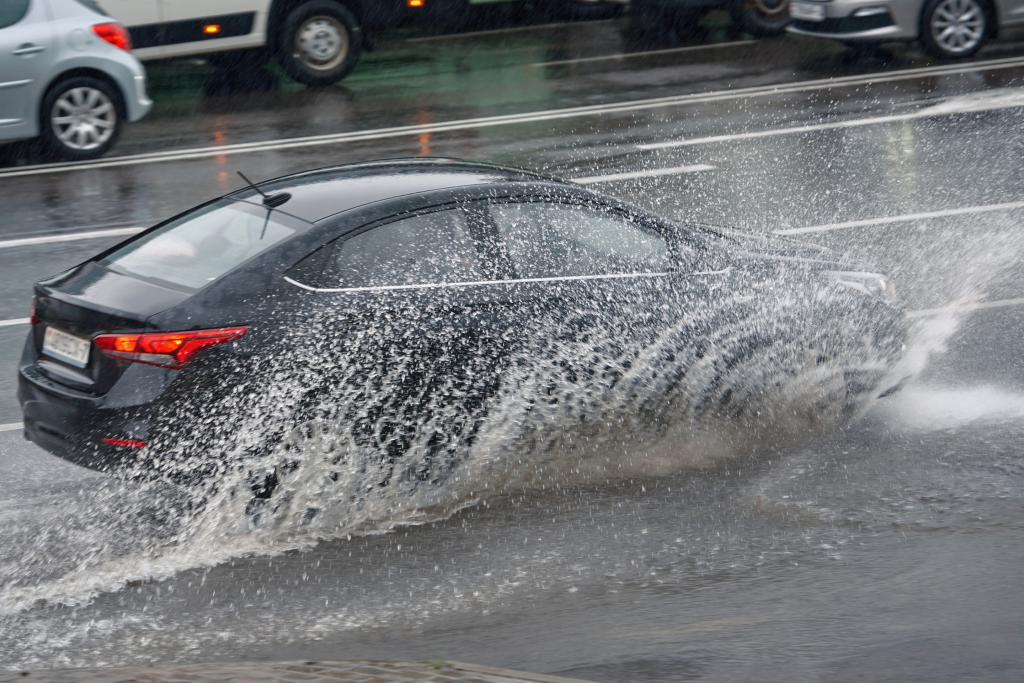
Never drive through flooded areas and find an alternate route if possible, as it can be dangerous and damage your car.
Wash your vehicle down with fresh water after driving through salt water if you must.
Avoid walking through flood water if possible, as it can be a health hazard.
If you or your pets need to walk through flooded areas, follow good hygiene practices and wash your hands, clothes and pets after.
Boaters should beware of bridges and check the tide before leaving the dock.
If you live in Miami Beach, the city has an additional resource to save your car from saltwater ruin. The City of Miami Beach Parking Department offers the King Tide Flood Relief Parking Program, which includes free temporary parking in municipal garages for residents whose streets are prone to tidal flooding. Participating garages include 400 W 42nd Street, 200 7th Street and 1661 Pennsylvania Avenue, and are on a first-come, first-served basis. Learn more about that here.
Stay safe, dry and plan ahead this season, Miami!