
Broward County has confirmed a locally acquired case of dengue fever, and health officials have placed the county under a mosquito-borne illness advisory. The Florida Department of Health in Broward County announced the case on Oct. 5, 2026. The agency said it and Broward County Mosquito Control are coordinating “surveillance, prevention, and control efforts.”
Officials have not released details about the patient, a common practice to protect privacy. According to CBS Miami, the person’s age, gender, severity of illness, and where in the county they live were not disclosed. Families in Fort Lauderdale, Hollywood and other Broward cities do not yet know whether the infection happened near them.
For households, the key word is “locally.” A locally acquired case means the person was infected by a mosquito in Florida, not while traveling abroad. It signals that dengue-carrying mosquitoes may be active in the community, which is why prevention steps at home now matter more for Broward families.
Broward Joins a Record Statewide Outbreak
Broward’s case arrives during Florida’s biggest year for local dengue in recent records. The state’s Week 38 arbovirus surveillance report, covering Sept. 20 to 26, counted 252 locally acquired dengue cases in 2026. Sixty-two of those were reported in that single week. That is the latest state report available.
Hillsborough County accounts for 223 of the local cases. Pinellas has 13, Miami-Dade has 8, Orange and Pasco each have 3, and Palm Beach and Polk each have 1. Broward was not on that list as of the Sept. 26 data cutoff, which makes the new case the county’s first locally acquired infection reported this year.
Broward residents are not new to dengue. The same report listed 20 travel-associated dengue cases among Broward residents in 2026, meaning people who were infected outside the country. Statewide, 245 travel-associated cases had been reported, 150 of them in Miami-Dade.
MedicalDaily previously reported that Florida’s local dengue cases reached 252 as Polk became the seventh affected county, with Tampa Bay driving most infections. Since that report, local transmission has reached Broward, one of Florida’s most populous counties and a core part of the Miami metro area. One death has been confirmed in the outbreak: an older Tampa woman who died in early September.
Advisory Versus Alert in South Florida
Officials described Broward’s status as a mosquito-borne illness “advisory,” not an “alert.” The state report lists the two designations separately. As of the Week 38 report, Brevard, Leon, Palm Beach, Polk and Walton counties were under an advisory, while Alachua, Duval, Hillsborough, Miami-Dade, Orange, Pasco and Pinellas were under an alert.
The state report does not define the threshold for each label. However, counties with more local cases, such as Hillsborough and Miami-Dade, are under alerts. Broward’s advisory places it alongside neighboring Palm Beach, which also has one local case this year.
For Miami metro residents, the change matters because Broward now sits between two counties with confirmed local transmission, and many residents move between all three counties daily. Dengue does not spread from person to person, but the Aedes aegypti mosquito that carries it thrives in urban neighborhoods with standing water.
Symptoms and Household Precautions
DOH-Broward said in its advisory, “Dengue can present as a flu-like illness with severe muscle aches and joint pain, fever, and sometimes a rash. Usually, there are no respiratory symptoms.” The agency added that symptoms “will appear within 14 days after being bitten by an infected mosquito” and that dengue is “not contagious but is transmitted by the bite of an infected Aedes aegypti mosquito.”
Most infections are mild or cause no symptoms at all. The CDC’s dengue symptoms page says about one in four people infected with dengue will get sick. A small share can develop severe dengue, with warning signs that usually begin 24 to 48 hours after the fever has gone away. These include belly pain or tenderness, vomiting at least three times in 24 hours, bleeding from the nose or gums, vomiting blood or blood in the stool, and feeling tired, restless or irritable. The CDC advises going to a clinic or emergency room right away if those signs appear.
The CDC says the risk of severe dengue is higher during a second infection, so people who have had dengue before should be especially alert. Pregnant people with dengue need close medical care. Caregivers should watch closely for warning signs after a fever breaks, which is when severe dengue can develop.
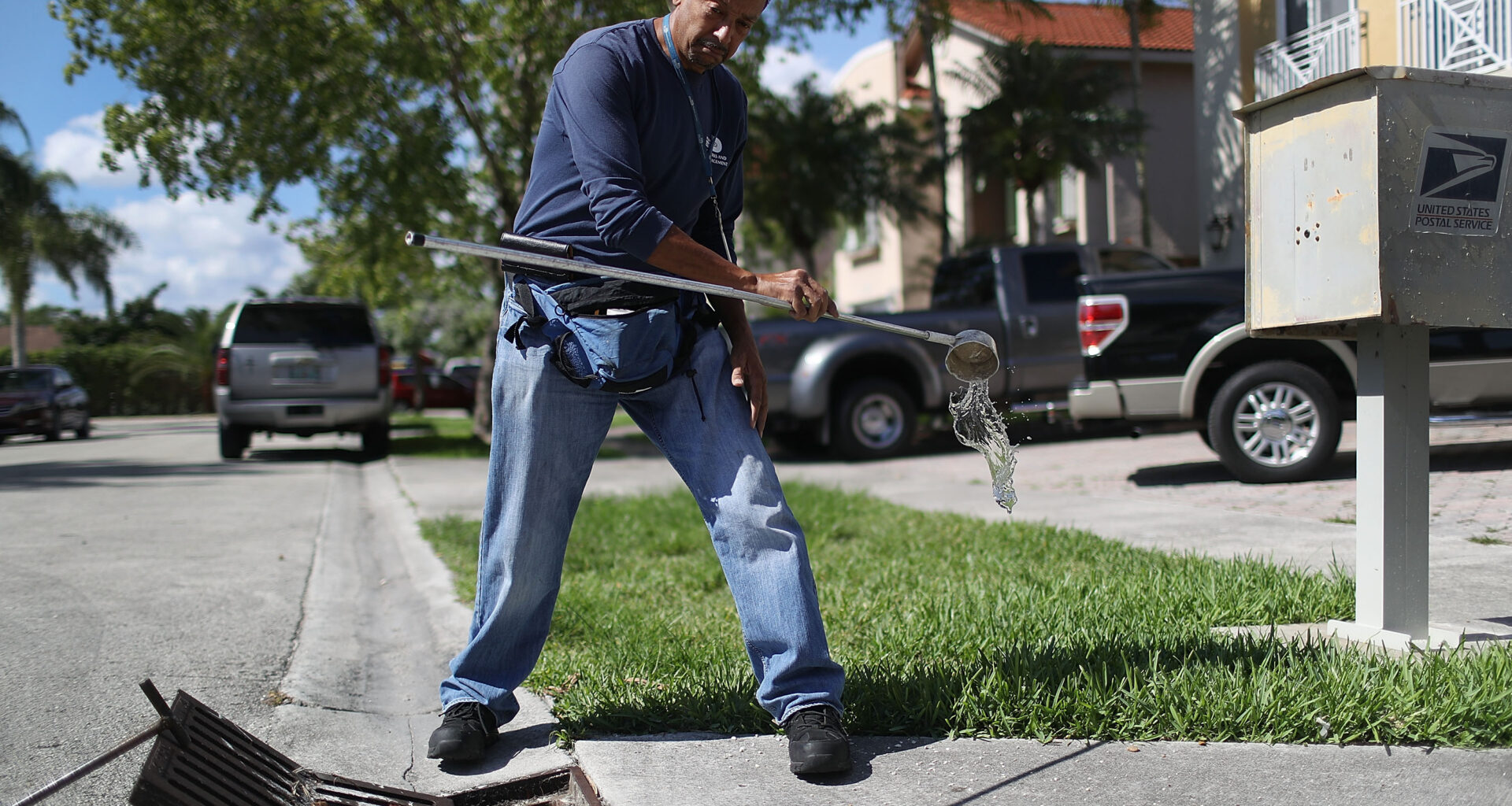
DOH-Broward recommends long-sleeved shirts and loose-fitting pants, EPA-registered insect repellent on exposed skin and clothing, and repaired window and door screens. Residents should also drain standing water from containers, pool covers, flowerpots and toys.
Anyone with symptoms should talk with a clinician and mention recent mosquito bites or travel. CBS Miami reported that residents with questions can contact DOH-Broward at 954-213-0710. People without insurance can ask the health department about local clinics or low-cost care options.
The most important open questions are where in Broward the patient was likely infected and whether more cases will follow. Officials have not said whether targeted spraying is planned in a specific area. Upcoming state arbovirus reports may add Broward to the county list, and MedicalDaily will monitor whether its status changes from an advisory to an alert.
For now, a single confirmed case is a warning, not a sign of widespread spread in Broward. Most residents can lower their risk with simple steps at home, and anyone who develops fever and body aches over the next few weeks should seek medical guidance rather than wait.
Key Questions Answered
What happened in Broward County?
The Florida Department of Health in Broward County confirmed a locally acquired dengue fever case on Oct. 5, 2026, and issued a mosquito-borne illness advisory. Officials did not release the patient’s age, gender, severity of illness, or location.
What does “locally acquired” mean?
It means the person was infected by a mosquito in Florida rather than while traveling to a country where dengue is common. It suggests infected mosquitoes may be present in the community.
Is this an alert or an advisory?
Officials called it an advisory. Nearby Miami-Dade, which has eight local cases this year, is under an alert, according to the state’s Week 38 surveillance report.
Can dengue spread from person to person?
No. DOH-Broward said dengue is not contagious and spreads through the bite of an infected Aedes aegypti mosquito.
What symptoms should residents watch for?
Fever, severe muscle and joint pain, and sometimes a rash, usually within 14 days of a bite. Belly pain, repeated vomiting, or bleeding after the fever ends needs urgent care.
How many locally acquired dengue cases does Florida have?
The state counted 252 locally acquired cases in 2026 through Sept. 26, with 223 in Hillsborough County. Broward’s case is not yet included in that total.
How can Broward families protect themselves?
Use EPA-registered repellent, wear long sleeves and pants, repair screens, and drain standing water around the home. Residents with questions can call DOH-Broward at 954-213-0710.
Published by Medicaldaily.com