
Along the edge of Weedon Island, Duke Energy’s Bartow power plant draws water from Old Tampa Bay to cool its generating equipment.
Fish, crabs, shrimp and other marine life can get caught in the process.
Duke is now seeking environmental approval for a new system intended to reduce those losses and return more of the animals to the bay alive.
Newly filed permit documents show the utility plans to replace six existing traveling water screens at the Bartow Combined Cycle Station and install a dedicated fish-return system.
Construction could begin as early as December, pending permit approval, and is tentatively expected to finish in January 2028, according to Duke Energy spokesperson Aly Coleman Raschid.
The project is tied to Section 316(b) of the federal Clean Water Act, which regulates cooling-water intake systems at power plants because of their effects on aquatic life.
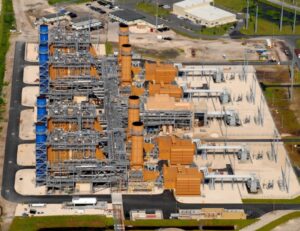
Duke Energy’s Bartow Combined Cycle Station in St. Petersburg. The utility is seeking approval to replace six cooling-water intake screens and install a new system designed to return fish and other marine life to Old Tampa Bay. Photo provided.
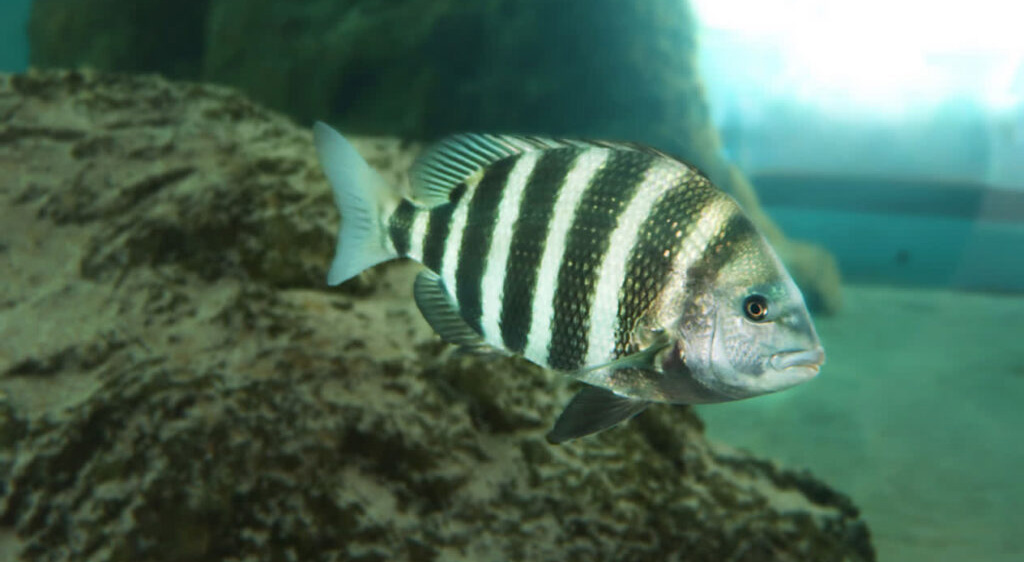
Bartow sits beside Weedon Island Preserve, a roughly 3,000-acre natural area in north St. Petersburg made up largely of marine ecosystems. Pinellas County says its mangroves, oyster habitat and shallow waters support wildlife including stingrays, small sharks, snook, sea trout and sheepshead.
Raschid said the plant’s existing intake screens collect mostly small crabs, anchovies and shrimp before they can enter the cooling equipment.
The replacement screens would use finer mesh and features designed to handle marine life more gently. As the screens rotate, a low-pressure spray would wash fish and shellfish from collection buckets into separate troughs, Raschid said.
“The fish/shellfish will then be transferred through a dedicated return line and discharged back into Old Tampa Bay, where they belong,” she said.
Duke evaluated several possible discharge locations and used hydraulic modeling before choosing the proposed site, Raschid said.
The company has projected about $6.6 million in capital spending on the Bartow project in 2026, according to a filing with the Florida Public Service Commission. Duke said the money would cover construction, installation and materials for the fish-return system’s discharge trough.
The problem the system is intended to address has two parts.
Fish and other animals can become trapped against an intake screen, known as impingement. Smaller organisms, including eggs and fish larvae, can pass through the screen and enter the cooling system, known as entrainment.
Marcus Beck, senior scientist with the Tampa Bay Estuary Program, said organisms that enter the cooling system may be physically or chemically harmed.
“Any small organism that can pass through an intake screen is potentially susceptible to being affected by entrainment,” Beck said.
Construction would take place largely from land while the intake remains in operation. Duke plans to replace the six screens one at a time, and the application calls for no dredging or expansion of the intake canal.
Whether the new system works as intended will take longer to determine.
Duke plans to conduct a two-year biological optimization study after it becomes operational. Raschid said the company expects positive results because the approach is considered a best available technology under federal cooling-water regulations.
Beck said the system should be an improvement over conventional screening, but monitoring will be important.
“Monitoring data before and after the upgrades are needed to definitively say whether the improvements had the intended outcome,” he said.
He said researchers should look at more than whether fish survive passage through the system. Injuries could still affect their ability to feed, reproduce or survive after they are returned to the bay.
The Tampa Bay Estuary Program does not have estimates for the number of fish or other organisms currently killed by impingement or entrainment at Bartow, Beck said.
Old Tampa Bay already faces broader water-quality problems and recent seagrass losses.
TBEP has monitored temperatures throughout Old Tampa Bay for about five years as part of its work to understand conditions affecting seagrass. Beck said two randomly selected monitoring locations happened to fall near Bartow’s outflow, where temperatures were several degrees warmer than surrounding waters.
Those readings were not taken to measure impacts from the plant or changes in fish populations, he said.
Beck said stormwater runoff remains a larger problem across Old Tampa Bay, but reducing harm from Bartow’s cooling-water system would still be worthwhile.
“Any improvements to the cooling system at the Bartow facility to minimize the impacts on fish is a positive activity,” Beck said.