
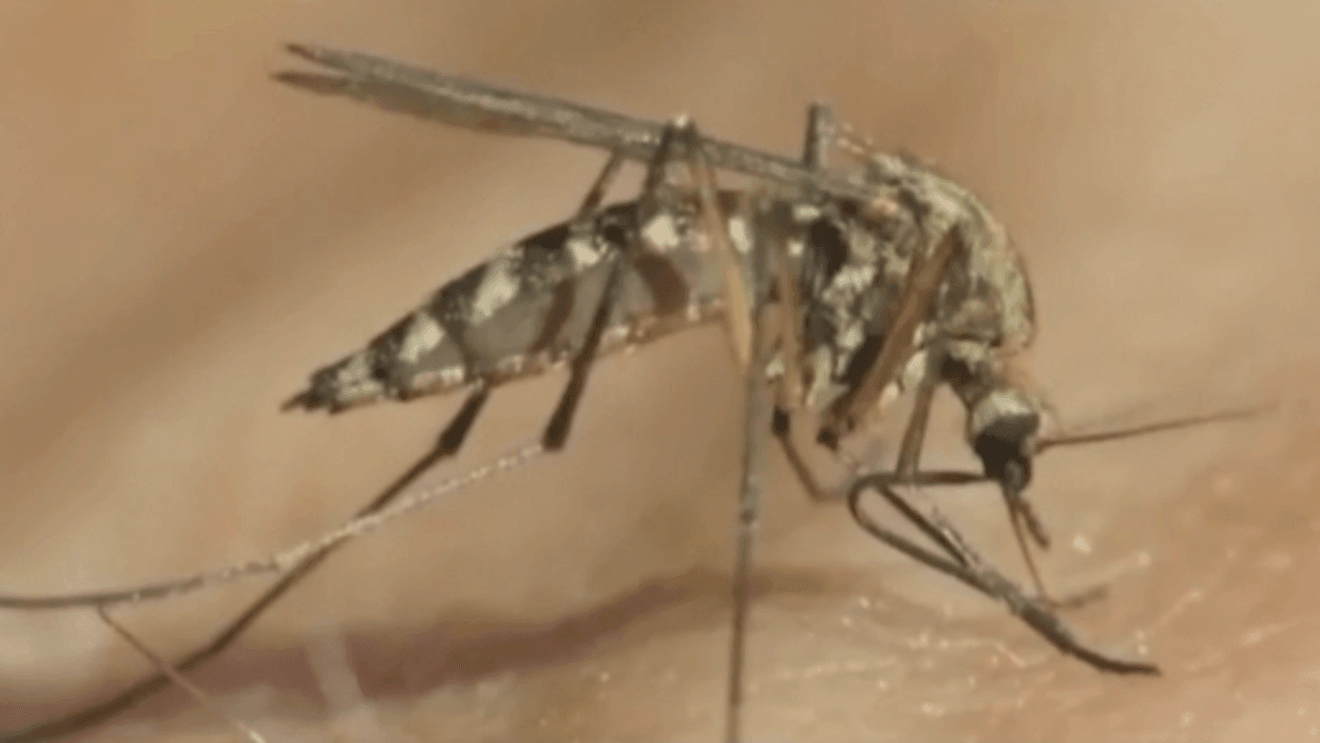
Florida health officials are tracking a surge in mosquito-borne illnesses, with dengue reaching levels the state has not seen in decades and a West Nile virus advisory still in effect in Leon County after a locally acquired case was confirmed this summer.
More than 250 dengue cases have been reported in Florida among people who did not leave the state, and experts say the mosquitoes that spread the virus do not need much water to multiply. “It’s really quite unprecedented. I was extremely surprised when this started happening a few months ago,” said Dr. Nicole Iovine, a UF Health hospital epidemiologist.
The latest state report counts 252 locally acquired dengue cases through Sept. 26, including 62 added in just one week. Hillsborough County accounts for 223 of those cases. Broward County has also confirmed its first local case of the year, making it the eighth Florida county with local transmission.
Mosquito breeding sites are often close to home, said Ward Schuller, operations director at Paul’s Pest Control. “It’s usually always going to be in planters, leaf littering and gutters, standing areas of water, ditches, things of that nature. That’s always where it’s at,” Schuller said.
Iovine said it can take only a tiny amount of standing water for mosquitoes to reproduce. “And it doesn’t take much water — standing water. It can even be just a bottle cap. That is enough for a mosquito to breed and lay hundreds of eggs,” she said.
Dengue can cause fever, severe headaches and intense muscle and body aches. The pain can be so severe that the disease is sometimes called “break-bone fever.”
Schuller said reducing mosquito populations begins with eliminating places where they can breed. “The best thing to do is actually population control and source elimination — remove leaf litter from gutters, excessive mulch around the house. Empty any bird baths at least two times a week,” he said.
Iovine said she is also watching what could happen beyond the current mosquito season. “If we have this warm, wet winter and they don’t die off, we could be seeing dengue through next year potentially. So I am definitely concerned about that,” she said.
Health officials recommend using EPA-registered mosquito repellent, wearing long sleeves and pants when possible, and draining standing water around homes to reduce the risk of mosquito bites.