
 Sean Rayford/Getty Images
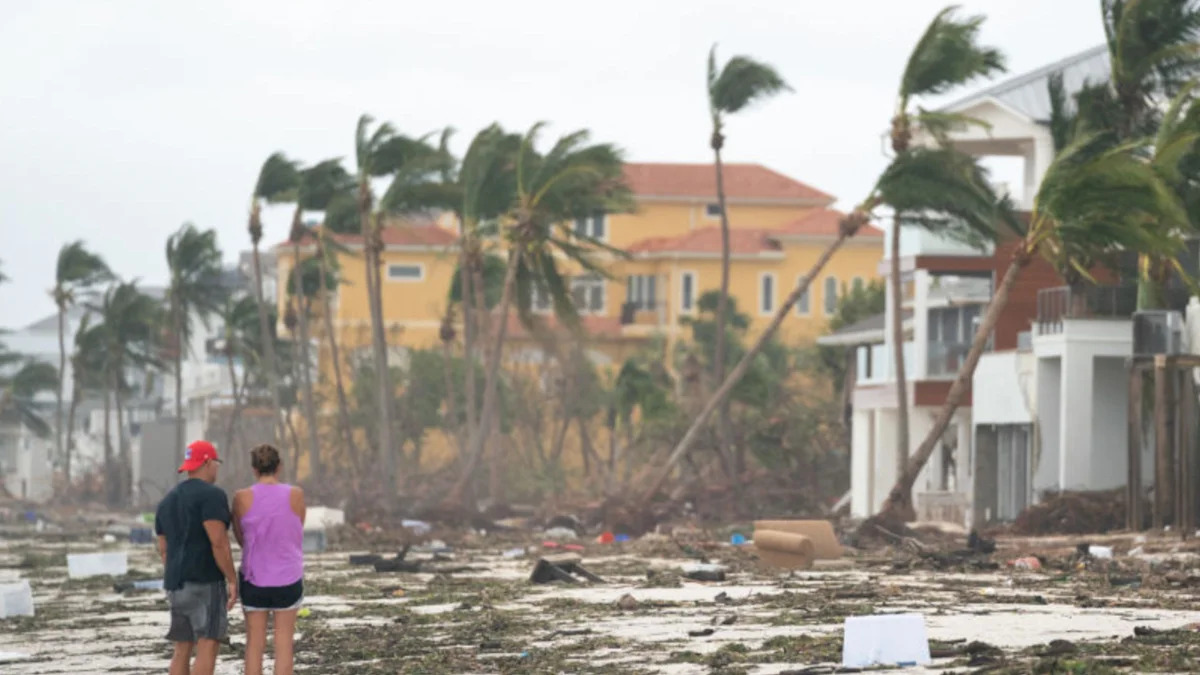
Hurricane season brings with it the risk of high winds, heavy rain — and major damage to your home. Homeowners insurance can help you weather some of the financial storms that come along with natural disasters like hurricanes, but it also comes at an increasingly high cost.
This is one reason why some homeowners, even those in the most storm-prone areas, are choosing to go without.
Must Read
One retired legal worker, who owns homes in both Florida and Massachusetts, told Boston.com that, after years of paying continuously rising premiums and still being dropped by insurers, she’s decided to go without on her Florida home after that policy was canceled.
“S—- them,” she said. “Why am I jumping through hoops begging them to take my money?”
But as Hurricane Isaias is now bearing down on the Gulf Coast, being without any kind of homeowner’s insurance may feel like a riskier choice.
Premium pain
Florida homeowners like the woman who dropped her own insurnace can likely relate to her pain. Florida ranks as the 17th most expensive state for homeowners insurance, according to a 2026 Lending Tree survey.
But rates can vary widely depending on region, with coastal, Gulf and Keys areas being hit the hardest (by both storms and insurance rates). Bankrate puts Florida’s average annual premiums at $5,735 and says homeowners there spend almost 8% of their income on home insurance. For comparison, that figure is only 1.2% in New Jersey.
Factors that have made home insurance increasingly unaffordable for Americans overall include higher home prices, the cost of building materials and the impacts of climate change — especially in disaster-prone areas like Florida, where some insurers have completely pulled their coverage.
It may be understandable that some homeowners want to give up on their coverage. But the risks to those who “go bare” on insurance can outweigh the benefits.
Americans who are ‘going bare’
Nearly one in seven homeowners across the U.S. don’t have homeowners insurance, according to a March 2026 LendingTree report. That translates to 14.1% of owner-occupied homes.
Story Continues
West Virginia has the highest percentage of uninsured homeowners, at 23.9%, while Florida is at No. 6 with 19.4%.
Experts acknowledge the squeeze U.S. homeowners are feeling, but say insurance is worth the cost against self-coverage.
“If your home is worth more, it costs more to insure, and also your home is more at risk, so you stand to lose more if you go without insurance,” Hannah Jones, economic data analyst for Realtor.com, told CBS MoneyWatch. “We don’t recommend going without insurance because it leaves you extremely exposed in case you do suffer property damage or a complete loss of property.”
What homeowners can do instead
Going bare is typically considered a last resort. And having insurance may also be required by your mortgage lender. The retiree who spoke with Boston.com about letting her insurance lapse also had no mortgage on the home. She noted that this left her more financially prepared to cover expenses as they come up.
Typically, if you let your coverage lapse, it can be difficult to get insured again, at least in places like Florida, insurance agent Jake Holehouse told Tampa Bay 28, as carriers want to discourage homeowners from only having insurance during hurricane season. Here are some options he suggests homeowners consider first, plus a few more.
First, you might consider dropping your wind and hurricane coverage while still protecting yourself from other incidents like fires and break-ins, or go further and get liability coverage only to protect against slips and falls from visitors.
This will mean you aren’t protected when a storm does hit, though, so that would be a choice you would have to weigh seriously, depending on where you live and if it’s a high-risk area.
After all, as broker Nicole Marcus said to CBS News, “Are you willing to spend $700,000 out of pocket to make the repairs, or is it better to risk it and get a premium of $7,000 to $8,000 a year?” And to be fully covered, you’d also want some form of flood insurance.
Another option is to make home improvements that will lower your premiums, such as upgrading your roof and installing hurricane clips and shutters that can better protect you in the event of a storm.
Shopping around for insurance can often yield better rates. You might also qualify for discounts if you bundle your home coverage with other coverages like auto insurance. And you may pay lower premiums if you agree to paying higher deductibles.
Although an expensive prospect itself, if you live in a disaster-prone area, you may want to explore moving to another region or state with better average premiums. — With files from Rebecca Stropoli
What To Read Next
Get Warren Buffett’s best investing lessons, free. Join 250,000 readers getting Moneywise’s sharpest money reporting every week. Subscribe and we’ll send you our guide to the ideas that built Buffett’s fortune as a welcome gift.
This article originally appeared on Moneywise.com under the title: Florida homeowner dropped by her insurer says she’ll go without — even in hurricane season. How risky is ‘going bare’?
This article provides information only and should not be construed as advice. It is provided without warranty of any kind.