
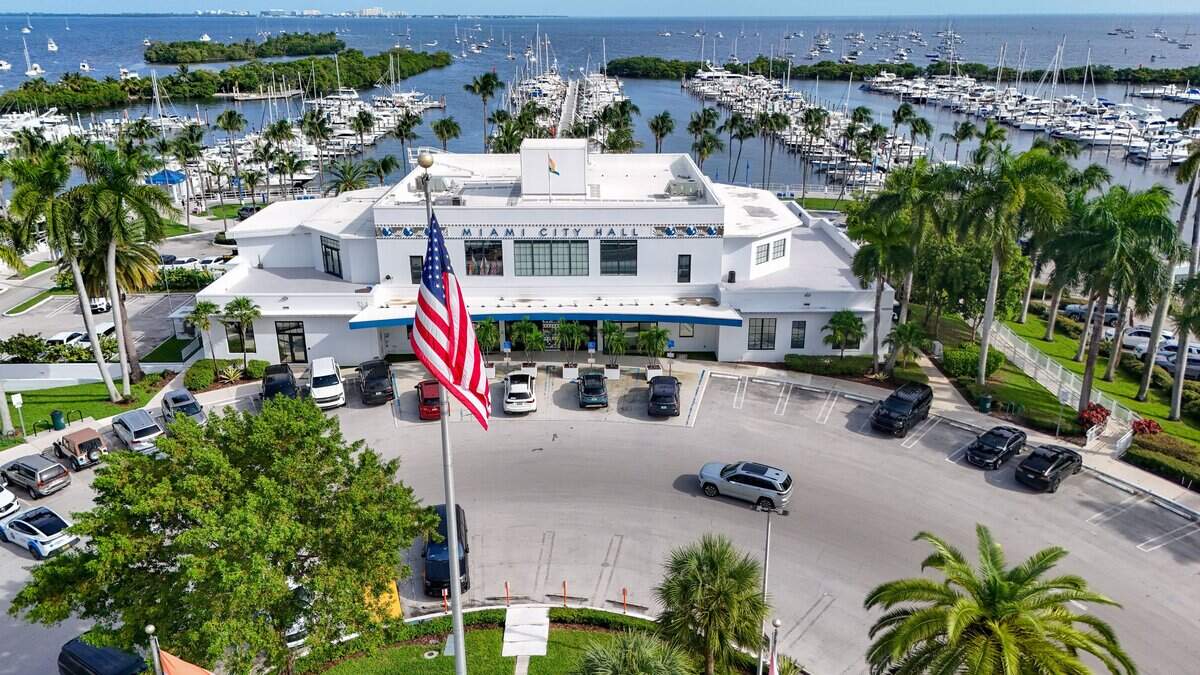
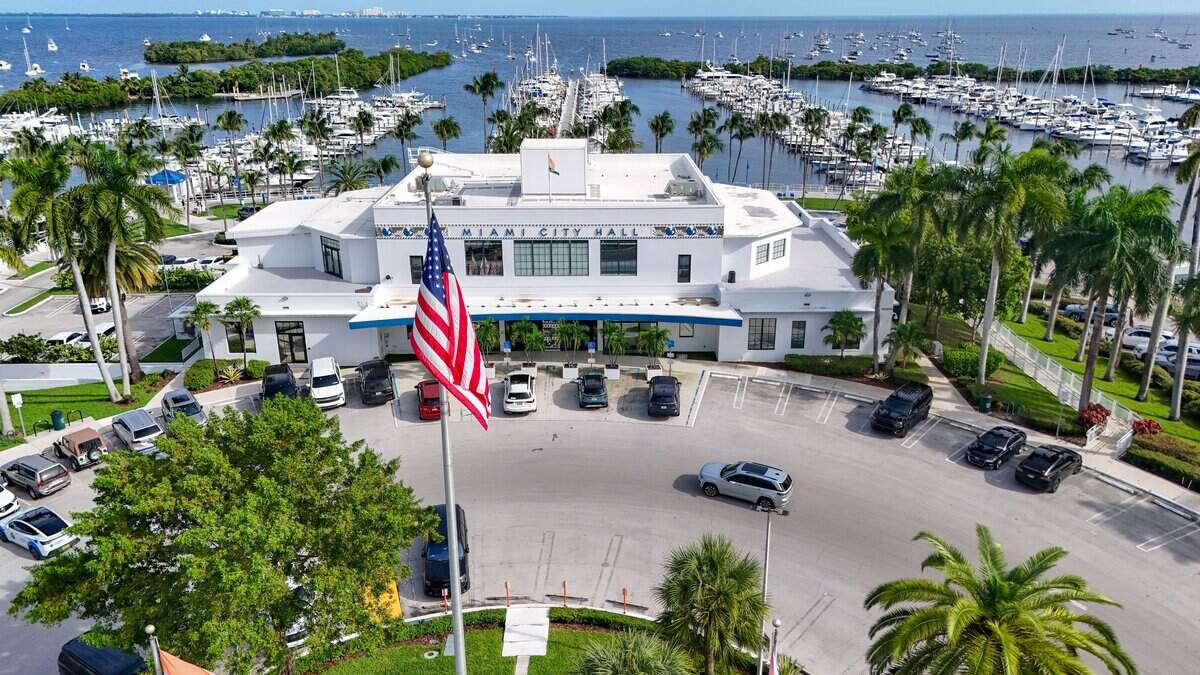
Miami City Hall, located at 3500 Pan American Drive on October 2, 2026.
PHOTO BY AL DIAZ
adiaz@miamiherald.com
Before I was elected to the Miami City Commission, I spent years in local government administration, including as a city manager. That experience taught me something simple: good government starts by getting the basics right.
There will always be a place for big ideas. Cities should be ambitious. But some of the most impactful changes are simple fixes that deliver far more value than they cost — often things residents reasonably assume government is already doing.
We should know the condition of our police and fire stations before the roof starts leaking. Someone seeking help with a permit should know where to go. A project should not pay for the same traffic study twice. And when taxpayers authorize hundreds of millions of dollars in bonds, they should be able to see where that money is going.
Since taking office, I have asked a simple question: How can we make this work better?
Permitting is a good example. I have experienced our permitting process myself, as a resident pulling permits for my home. I know the frustration of walking into the Miami Riverside Center (MRC) with a question and not knowing where to go. Residents should not need to understand the city’s organizational chart to get an answer.
As a city manager, I implemented a simple solution: put permitting in front of the people. So, I brought that approach to Miami with a first-floor permit desk at the MRC.
But making permitting easier cannot stop at the front desk. If a process adds time and cost without value, we should fix it. That is why I sponsored changes eliminating duplicative traffic-impact studies when a valid study already exists. Development should account for its impact, but studying the same thing twice does not make our streets safer.
Getting the basics right also means government must look inward.
I sponsored legislation requiring a facility condition index for every city-owned police and fire facility to identify deferred maintenance and capital needs. I also brought forward a Police and Fire Facilities Maintenance Reserve Fund so we plan for maintenance instead of waiting for something to break.
The principle is simple: know the condition of what taxpayers own, maintain it and plan today to avoid a larger bill tomorrow.
That principle applies to our institutions, too. I sponsored a charter amendment establishing a recurring Charter Review Board, giving residents a formal opportunity, after every census, to examine how their government operates and recommend changes.
And nowhere is transparency more important than when government spends taxpayer dollars.
You should not need to know someone at city hall, attend a committee meeting or file a public records request to follow your tax dollars. It should be as simple as looking it up.
Individually, these changes may not generate ribbon cuttings, but together they represent how I believe government should work: easy to navigate, accountable and built around the people it serves.
Ambitious problems require ambitious solutions. But my years as a city manager taught me never to confuse ambition with efficiency.
Sometimes good government means creating something new. Other times, it means fixing what should have worked in the first place. And often, it means giving residents a meaningful role in making government better.
That is why I proffered my latest good governance proposal, which Miami voters will now have the opportunity to decide at the ballot box: a permanent independent bond oversight board and public-facing dashboard that, if passed, will show which projects are funded, how much they cost and where they stand. If government asks taxpayers to invest in their city, it owes them transparency and accountability in return.
I encourage every resident to learn about this upcoming question on your ballot, make your voice heard and take part in shaping how our city works.
Because getting the basics right is not just about what government does. It is about making government transparent, accountable and responsive to the people it serves.
That is how we get the basics right.
Ralph “Rafael” Rosado is the Miami commissioner for District 4.