
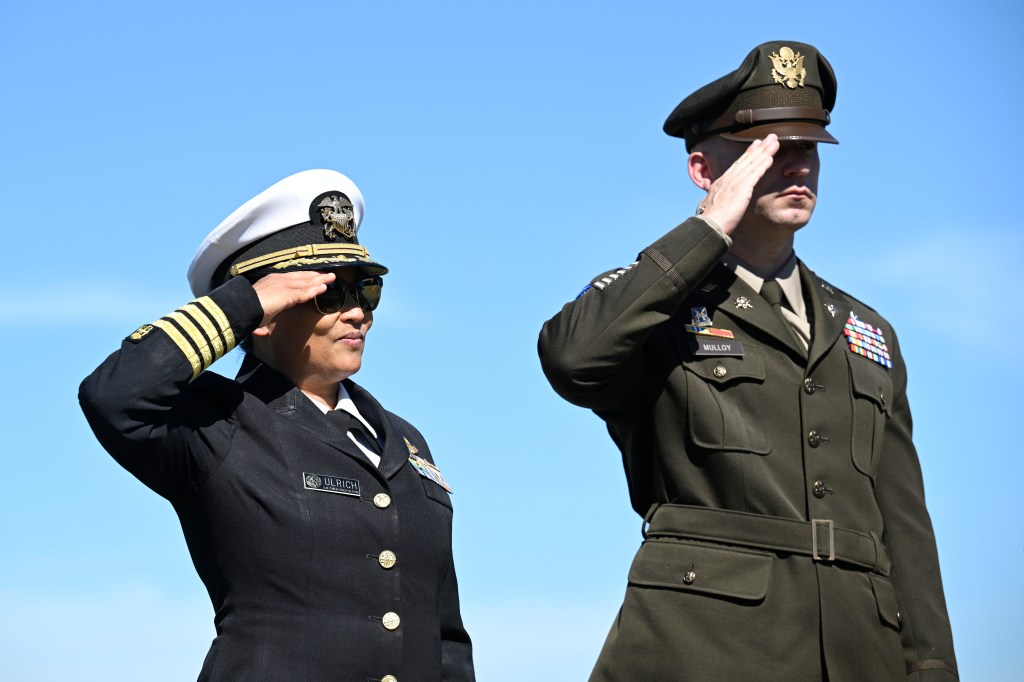
Studying the 1.3 million veterans in Florida’s workforce, it’s clear that they make an outsized contribution. Veterans often leave their service with decades to go before typical retirement age and with many qualities employers are looking for — professionalism, work ethic, flexibility, responsibility, leadership and more. Research shows that, compared to the general population, veterans are more likely to seek higher education, start their own businesses and progress beyond entry-level positions.
But behind those outward measures of success, there are trouble signs.
In a Sentinel guest column published Tuesday, Navy veteran La’Tonya Stark, a senior vice president of the Orlando Regional Realtor Association, describes some of the barriers that can hold veterans back — including accommodations for post-traumatic stress, especially for those have served in a combat zone, and the need for help in navigating the bureaucracy surrounding the services they need and deserve.
Often, she writes, the first step is for employers to seek out opportunities to hire vets.
But there are also areas of obvious need where our national, state and local governments must play a role. A recent national study by the Wounded Warrior Project found that more than half of the veterans they served were working, but underemployed. That group includes veterans who say they have been unable to find jobs that were a match for their education and skills, as well as those who want full-time work but are making ends meet with one or more part-time jobs. In Florida, one in four veterans is a member of the so-called “ALICE” cohort — an acronym covering families with at least one working member, but whose household income isn’t enough to meet basic needs like housing, food and health care. As of 2021, another 6% were living below the poverty line.
These are clear signs of stress on a population that deserves better. And there are certainly ways to help. In fact, Florida does a better job than many states in meeting these veterans’ needs; the state’s Department of Veterans Affairs collaborates with the federal Veterans Services Administration to assist people returning to civilian life. The state’s 21 local workforce development agencies offer targeted job programs that match area employers with workers who have skills they’re looking for — along with training and counseling that can help veterans transition into fields where the demand for workers far outstrips the supply, such as health care. On the deeper end, there are also programs to assist veterans living with mental illness and substance abuse, even homelessness.
Many Central Florida counties, along with the city of Orlando, have dedicated veterans’ services offices that can help connect vets with the right programs.
But it’s not enough — especially since many of those programs are in danger of budget cuts as national and state leaders hunt for ways to reduce services. All too often, in a quest to fund tax cuts targeted toward wealthy corporations and families.
The nation also needs to do a better job of ensuring that predatory companies don’t get away with financial scams, including dubious educational programs that can drain a veteran’s benefits without providing any real skills.
It’s a matter of priorities, and of fairness. Today’s veterans made a conscious choice to serve their nation at a time when they could have been laying the groundwork for a successful civilian life. In return, they are owed the chance to catch up — but the resources dedicated to assisting veterans are not handouts. They are investments. When veterans succeed, they contribute to their communities’ economic and social well-being. Prioritizing these patriots is a victory for us all.
The Orlando Sentinel Editorial Board consists of Opinion Editor Krys Fluker, Executive Editor Roger Simmons and Viewpoints Editor Jay Reddick. Use insight@orlandosentinel.com to contact us.