
Across our state, responsible retailers invest time and money to comply with licensing requirements, verify customers’ ages, train employees and sell products through legitimate channels. Yet too often, they are forced to compete against smoke shops stocking illicit vape products that were never authorized for sale, entering the country all the way from Shenzhen, China, or “Vape Valley” and are sold more cheaply precisely because the people behind them ignore the safeguards legitimate businesses must follow. That is not a fair marketplace, and it is not a safe one.
Florida has already shown that it is willing to confront the problem. State and local law enforcement have carried out significant operations against illegal vape sellers, including the largest seizure of illegal vape products in state history. Those efforts deserve credit because every illicit product removed from a shelf is one less product available to end up in the hands of a child. But the next phase of this fight requires more than individual raids. Florida and the federal government need a system that makes it easier to separate responsible businesses from bad actors, gives law enforcement the resources to act and provides adult consumers with legitimate, regulated alternatives to the illicit market.
That begins with strengthening Florida’s vape product directory. A directory should give retailers and law enforcement a clear answer to a basic question: Is this product permitted to be sold or not?
Florida has taken an important step by establishing such a system, but bad actors are constantly looking for ways around the rules. The current directory lists the bad products on the market. Clever criminals just change their name and get back out on the shelves. A product should not be able to disappear from regulatory scrutiny simply because a company repackages under a different brand.
State officials should also have access to clear federal information about products that have been authorized, denied or otherwise found ineligible for lawful sale. That clarity is good for everyone who follows the rules. Retailers know what they can stock. Distributors know what they can move. Law enforcement knows what it can remove. Parents gain greater confidence that illegal products are not being allowed to hide in plain sight.
Clarity alone, however, will not clean up the market. Congress has directed substantial new resources toward enforcement of illicit e-cigarettes and vaping products. Those dollars should reach state and local law enforcement agencies that are closest to the storefronts, distributors and warehouses where illegal products are actually found.
 The latest federal youth tobacco data offers an important reminder that these issues should be approached with precision. Overall youth tobacco use has continued to decline, which is encouraging. At the same time, unauthorized disposable vape brands remain particularly attractive to young users. That should tell policymakers where enforcement needs to be concentrated: on the illegal products and sellers that are evading the system.
There is another part of the equation that should not be overlooked. The Food and Drug Administration has recently authorized additional nicotine products as “appropriate for the protection of public health.” They also issued critical new guidance that prioritizes limited resources on the criminal market where they are needed most, while recognizing compliant products undergoing stringent scientific review. That progress should continue.
Millions of American adults still smoke cigarettes. If adult consumers are going to seek less harmful alternatives, policymakers should want that demand met through regulated manufacturers, licensed distributors and responsible retailers, rather than handed over to illicit overseas suppliers and unscrupulous smoke shops.
Florida’s small businesses should not have to compete against an underground economy. Parents should not have to wonder why products that were never authorized in the first place are so easy for teenagers to find. And law enforcement officers should not be sent after sophisticated trafficking networks without the resources and information they need.
Tighten the directory. Close the loopholes. Prioritize federal enforcement resources where they are most needed. Route funds to state and local officers. Continue reviewing and authorizing appropriate products for adults through legitimate channels.
Florida has already built momentum against illicit vapes. Now we should make the system stronger.
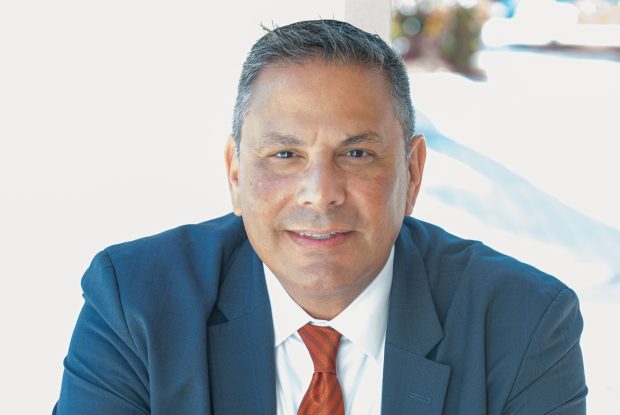
Julio Fuentes is president and CEO of the Florida State Hispanic Chamber of Commerce.