
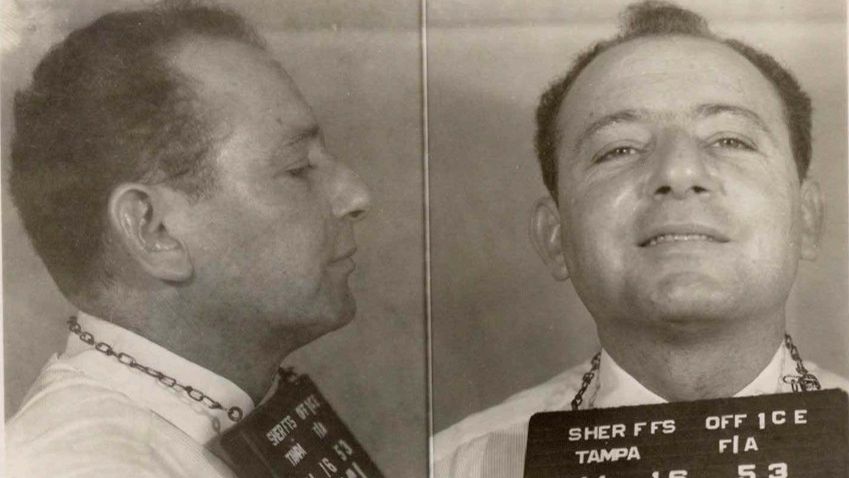
TAMPA, Fla. — A leaking ice machine at a Hillsborough County Sheriff’s Office facility led to the discovery of decades-old records tied to efforts to take down the Trafficante family, the most notorious Mafia family in Tampa Bay history.
The leak happened a couple of years ago, flooding a closet where boxes of old evidence and records were being stored.
The collection includes a large portion of a case file from the 1950s, when law enforcement was working to stop the Trafficante family. The family was led by Santo Trafficante and his brother, Henry Trafficante.
At the time, the Trafficantes were heavily involved in “bolita,” a gambling game popular in Cuba in the 1930s and 1940s. The game was illegal in the United States and also tied to bribery and violence. That’s why law enforcement was intently focused on bringing down the Trafficante family.
The discovery of the files associated with that effort eventually led the sheriff’s office to partner with the University of South Florida to preserve the material.
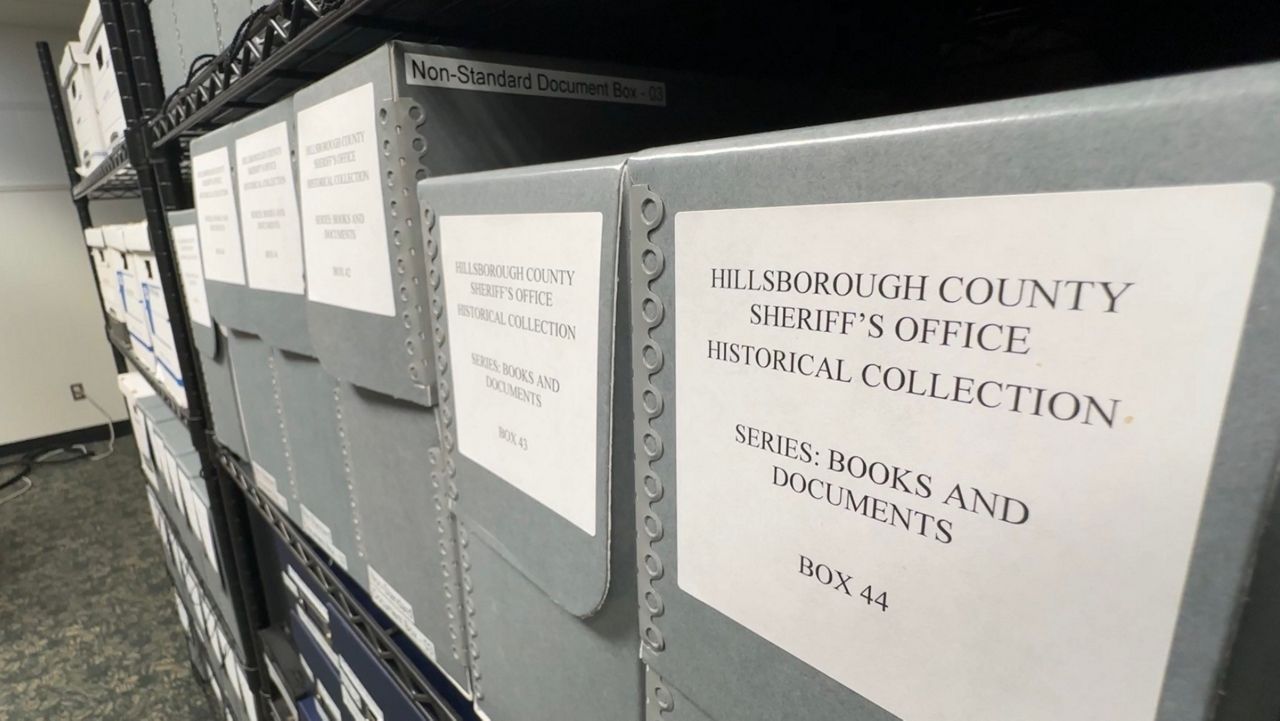
A picture of just some of the boxes which will be stored at USF. (Spectrum News/Jeff Butera)
Davide Tanasi, who runs USF’s Institute for Digital Exploration, said the leak prompted action.
“That was like the wake-up call we needed, and we had to start a project to salvage it,” Tanasi said.
USF archives librarian Stephanie Mackin helped with the effort to preserve the records, which will be stored at the USF library.
“It was just kind of in a closet, stacked in boxes, and everyone was like, ‘Oh, there’s historical documents here, we should probably do something about it,’” Mackin said.
Among the most notable finds in the collection were four Flexograph audio records, also called Gray Audographs. The Flexograph was a 1950s method of recording audio.
The recordings were made in 1954 at the old Hillsborough County Jail on Pierce Street in Tampa, shortly after law enforcement arrested more than 40 people in a bribery raid linked to bolita.
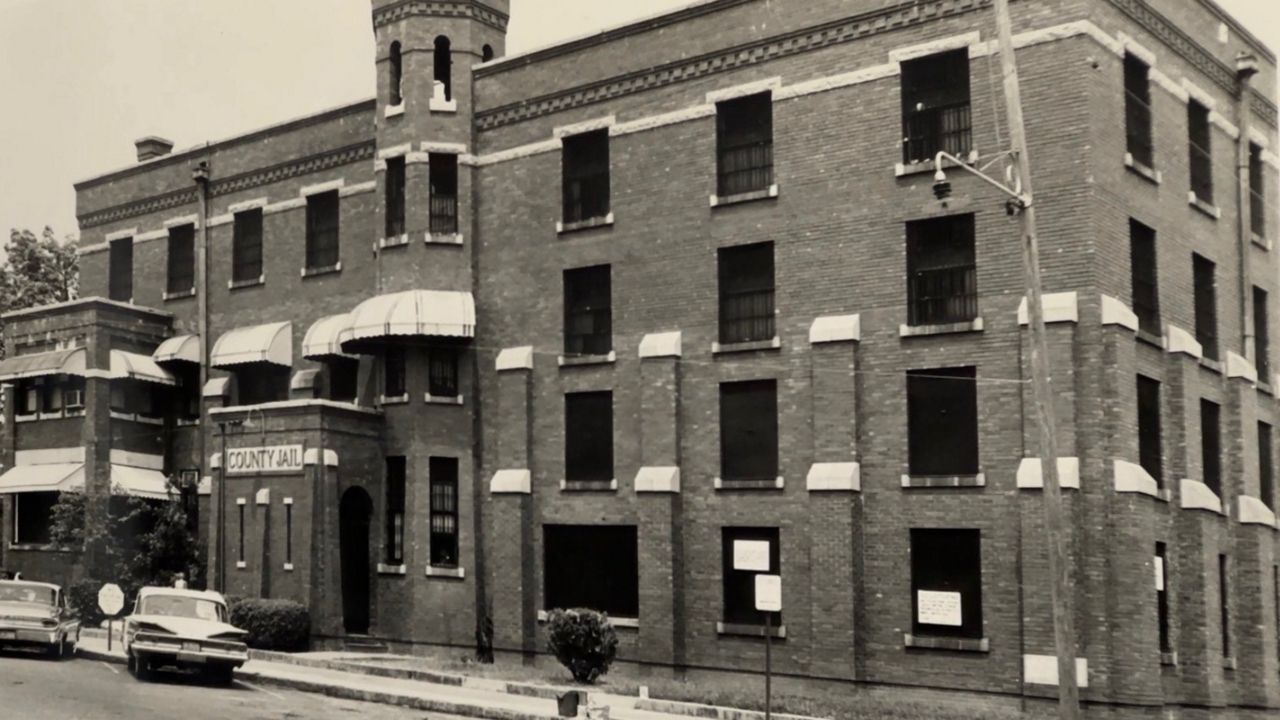
The old Hillsborough County Jail on Pierce Street where the interrogation took place. (Photo provided by USF)
In one recording, HCSO Chief Criminal Deputy Ross Anderson questioned Henry Trafficante.
During the interrogation, Anderson appeared to be trying to get information from Trafficante, possibly even a confession. In the recording, Trafficante told him, “I’ll tell you, Mr. Anderson, I don’t know what this is all about.”
Retired Sgt. Mike Ruggiero, who teaches interrogation techniques in Central Florida, reviewed the recording and said Anderson appeared skilled in his approach.
“It was good, the interviewer was very good at what he did, and you could tell that,” Ruggiero said, while noting interrogation techniques were not well known at that time.
Tanasi also identified 15 interrogation techniques Anderson used during the questioning, including appeals to Trafficante’s morality and efforts to build rapport over their shared military service.
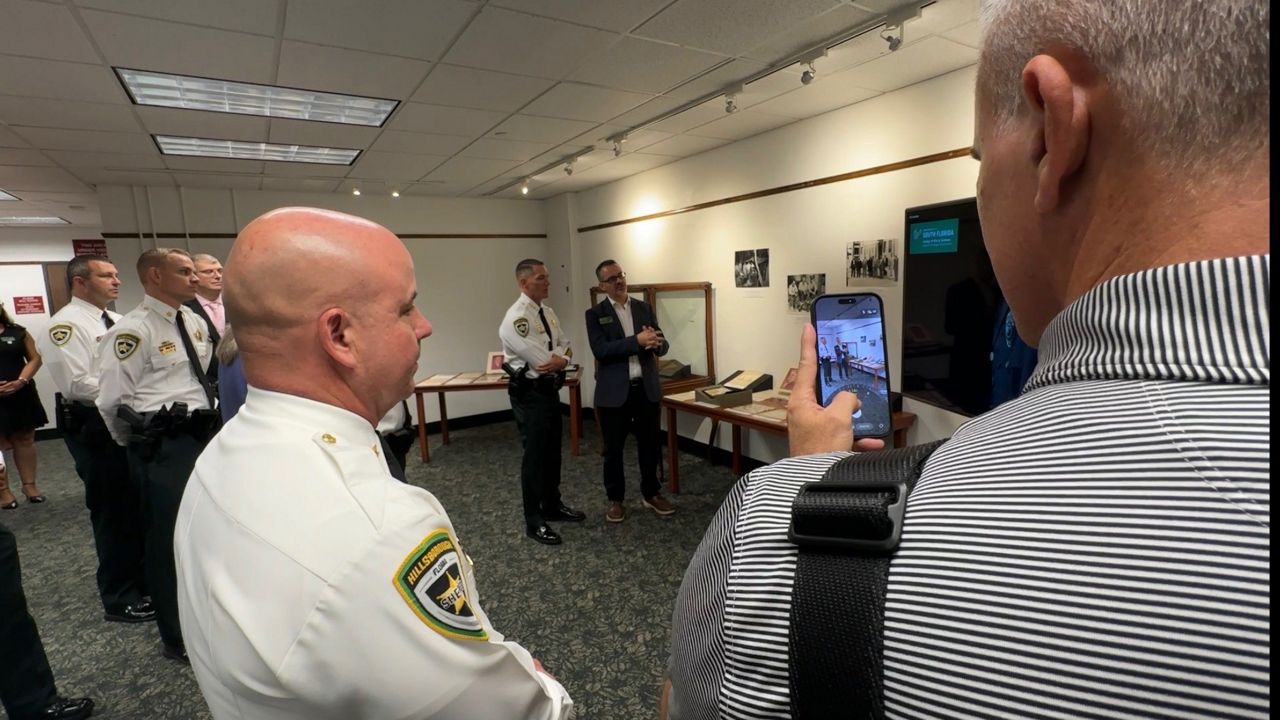
Sheriff Chad Chronister and USF Professor Davide Tanasi talk at an event unveiling the collection. (Spectrum News/Jeff Butera)
“A good investigator is always a good investigator,” said Hillsborough County Sheriff Chad Chronister. “The piece of history you’re talking about – that’s probably one of the best (interrogations) that’s ever been conducted. And we can still use it as a teaching tool today.”
Anderson ultimately did not get a confession. But prosecutors in Hillsborough County did get a conviction, though it was later overturned by the Florida Supreme Court. Henry Trafficante was then acquitted in the retrial.
Similar charges in Pinellas County ultimately held up, and Henry Trafficante served a short sentence. But Santo Trafficante, Jr., the leader of the family, never spent a night in an American jail.
The collection will now be preserved at the USF Library, available for review by the public.
“This collection has got a tremendous amount of material to get into,” said Todd Chavez, dean at the USF Library during most of the project.
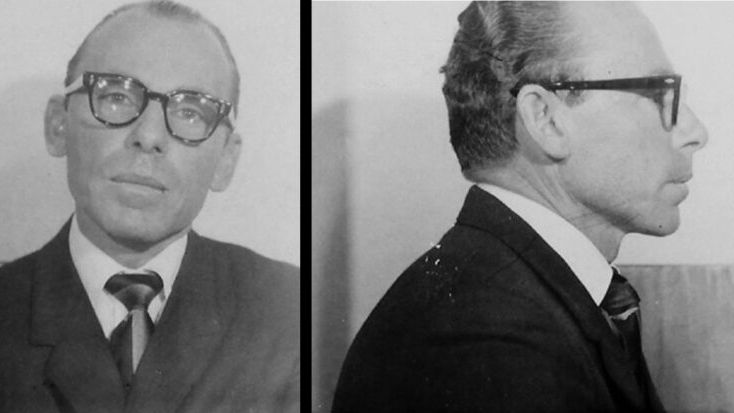
Henry is the person questioned during the 1954 interrogation. (Photo provided by Hillsborough County Sheriff’s Office)
Chavez said the recordings also offer a way to examine how interrogation methods have changed over time.
“You can listen to the interrogation and see how those have changed over time and how those were approached,” Chavez said.
Without the preservation work, Mackin said, the records could have been lost.
“It was just a matter of time before all of that information would have been lost,” Mackin said.
Sheriff Chronister praised the vastness of the collection and celebrated its role as an education tool and historical archive.
“History is a heck of a teacher,” the sheriff said. “And I think that’s why it’s so important.”
“The collection is now in the right place,” Tanasi added.