
HILLSBOROUGH COUNTY, Fla. — After days of rain across the Tampa Bay area, local mosquito control teams are ramping up efforts to prevent standing water from fueling a larger dengue outbreak.
Statewide, 296 dengue cases have been reported, with Hillsborough County accounting for 259 of them, making it the epicenter of the outbreak.
The City of Tampa increased neighborhood canvassing last week, and Hillsborough County Mosquito Services is now bringing in crews from Lee and Manatee counties, along with a private contractor, for its largest spraying effort yet.
Crews are targeting neighborhoods both on the ground and from the air.
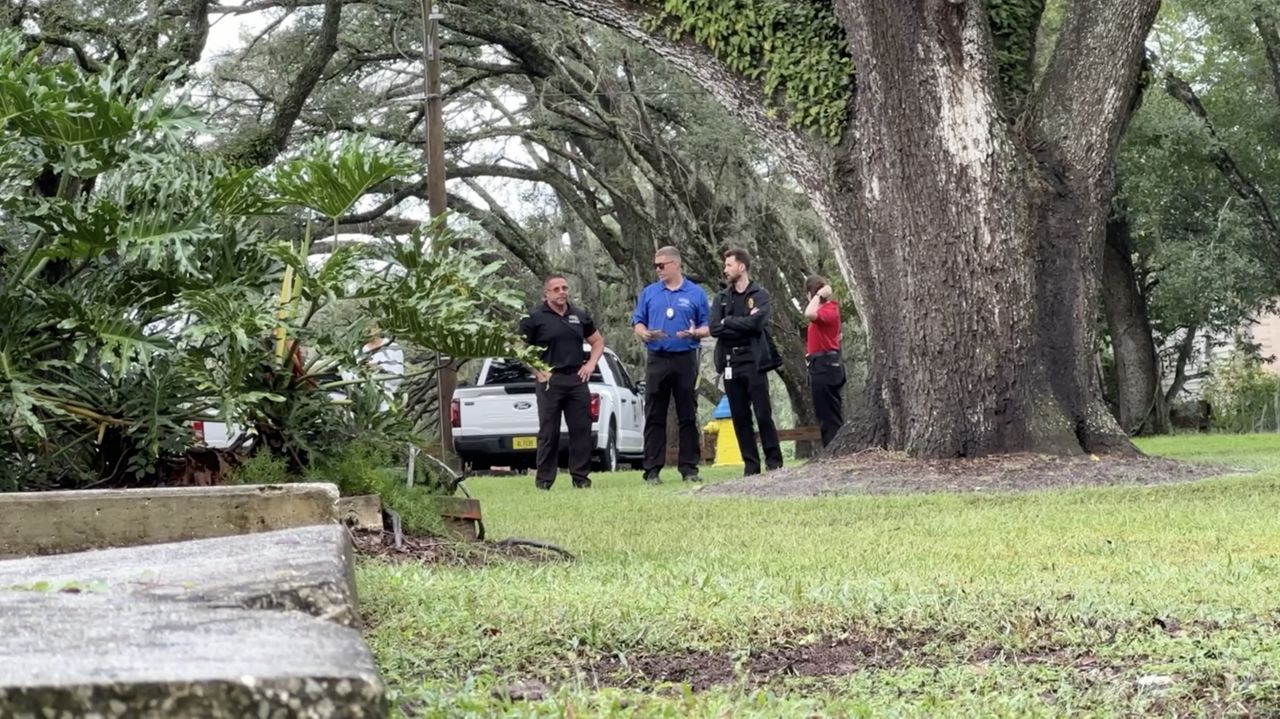
In Tampa’s Historic Forest Hills neighborhood, code enforcement and Department of Health workers have been going door to door, handing out pamphlets, speaking with homeowners and treating standing water with dissolvable larvicide.
Riley Tuff, lead emergency planner for the City of Tampa, said even very small amounts of water can become a breeding ground for mosquitoes.
“The larvae can even form in a bottle cap for a bottle of water,” Tuff said. “You could see dozens of them that can form inside there.”
Hillsborough County is also launching new mosquito spray missions this week during both daytime and nighttime hours.
The treatments will target large areas of Tampa, but officials say the broader effort depends heavily on residents and businesses eliminating standing water on their own properties.
At Super Tires on North Florida Avenue, Service Manager Diego Rocha said he recently became one of the county’s dengue cases. Two other employees were also infected.
“It was like a fever on steroids but with nausea,” Rocha said, adding that his symptoms came on quickly. “I got real fatigued. The nausea hit faster than anything. It was a lot of cold sweats, body ache.”
Tire shops can be especially vulnerable to mosquito breeding because water can collect on top of or inside tires.
Rocha said Super Tires stores tires indoors and in semi-trailers to keep them out of the rain.
Employees also empty a large dump bucket behind the shop every day to remove leftover water from the workday.
“We try to do our part to make sure we don’t increase the population,” Rocha said.
Health officials say the outbreak is the largest dengue outbreak in any state since the 1940s. Dengue is spread by the Aedes aegypti mosquito, which can breed in very small amounts of standing water.
Mosquito control officials are also waiting for cooler weather to help slow activity. Once temperatures consistently drop below 70 degrees, mosquitoes become less active, which should help curb the outbreak.
Residents can buy mosquito dunks at major retailers or online.
The dunks are commonly used to treat areas where water collects, such as low spots in yards or between homes where drainage is poor.