
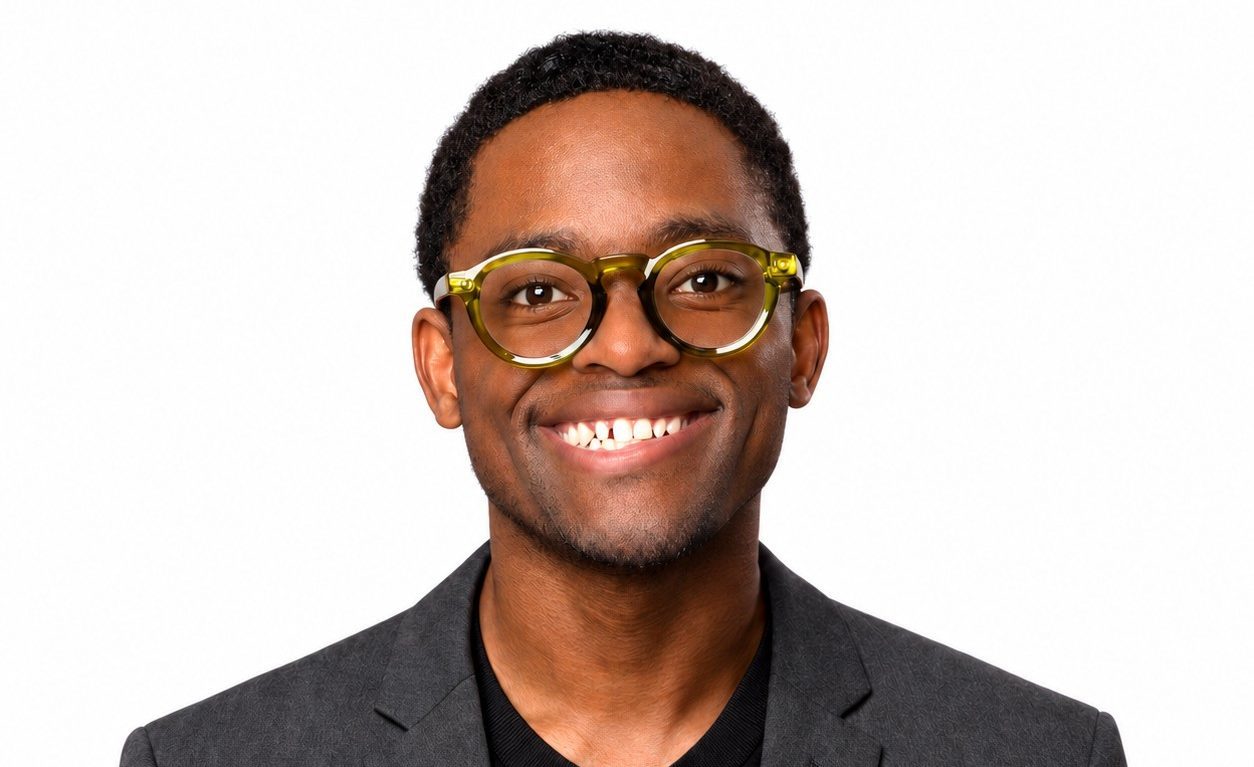
School choice can change the trajectory of a student’s life, and I am living proof of it.
I am only in my sophomore year at Seminole State College of Florida as a music major, but I am already a published author, musician, public speaker and advocate for educational freedom. Growing up, I didn’t think any of this was possible. One of my biggest challenges was finding an educational environment where I could truly thrive.
During fifth and seventh grade in public school, I experienced bullying. Students mocked my small stature and my hair. I remember sitting alone at lunch, feeling isolated and wondering where I belonged. Although I tried to fit in, I often felt alone in a school filled with hundreds of students. Eventually, I realized I could no longer remain in an environment where I was unhappy.
Fortunately, the Florida Tax Credit Scholarship and the Personalized Education Program (PEP) gave me alternatives. Without those programs, I might have had no choice but to stay. My experience does not mean public schools cannot provide an excellent education. But it taught me an important lesson: a school that works wonderfully for one student may not meet another student’s needs.
Under PEP, my mother personalized my education to help me prioritize and develop my musical abilities. Scholarship funds supported piano, guitar and vocal lessons. What began as a childhood passion became a serious academic and professional pursuit.
I also participated in dual enrollment, improved my confidence through public speaking skills, competed in music competitions, became an ordained minister and received the Step Up For Students’ Super Senior Award. During my first year of college, I became the first PEP alumnus to join the American Federation for Children’s Future Leaders Fellowship.
These achievements did not happen because a scholarship guaranteed my success. They happened because my parents helped me pursue opportunities suited to my needs. School choice not only helped me fine tune my singing voice, but it also helped me find my educational voice. One I proudly still carry with me today.
Sen. Carlos Guillermo Smith has recently raised concerns about Florida’s scholarship spending, oversight and academic accountability. These questions deserve serious consideration. Public funds should be managed responsibly, and families should have trustworthy information about educational quality.
But accountability should also include listening to the students whose lives these programs have affected.
My experience is not a substitute for statewide academic research. It does, however, demonstrate something that financial reports alone cannot fully capture: Access to different educational environments can influence a student’s confidence, interests and future direction.
I believe Florida can strengthen financial safeguards, measure educational progress and preserve meaningful options for families. School choice was never about being against public education. It was about being able to provide students a voice in their educational opportunities. It was about choosing an environment where I could succeed.
I often think about the young boy who sat alone during lunch, wondering whether he belonged. I wish I could go back and speak to him. Provide him the voice that he didn’t think he had. If only he knew that same boy would now be pursuing higher education, writing books, performing music and speaking publicly about his experiences.
School choice did not remove every obstacle from my life, but it gave my family the opportunity to help me overcome them.
I will continue to stand for school choice. Every child should have the right to learn in an environment where they feel valued, supported, and are able to find their own voice.
Gabriel Lynch III is a sophomore at Seminole State College in Sanford.