
Oct. 12, 2026, 5:00 a.m. ET
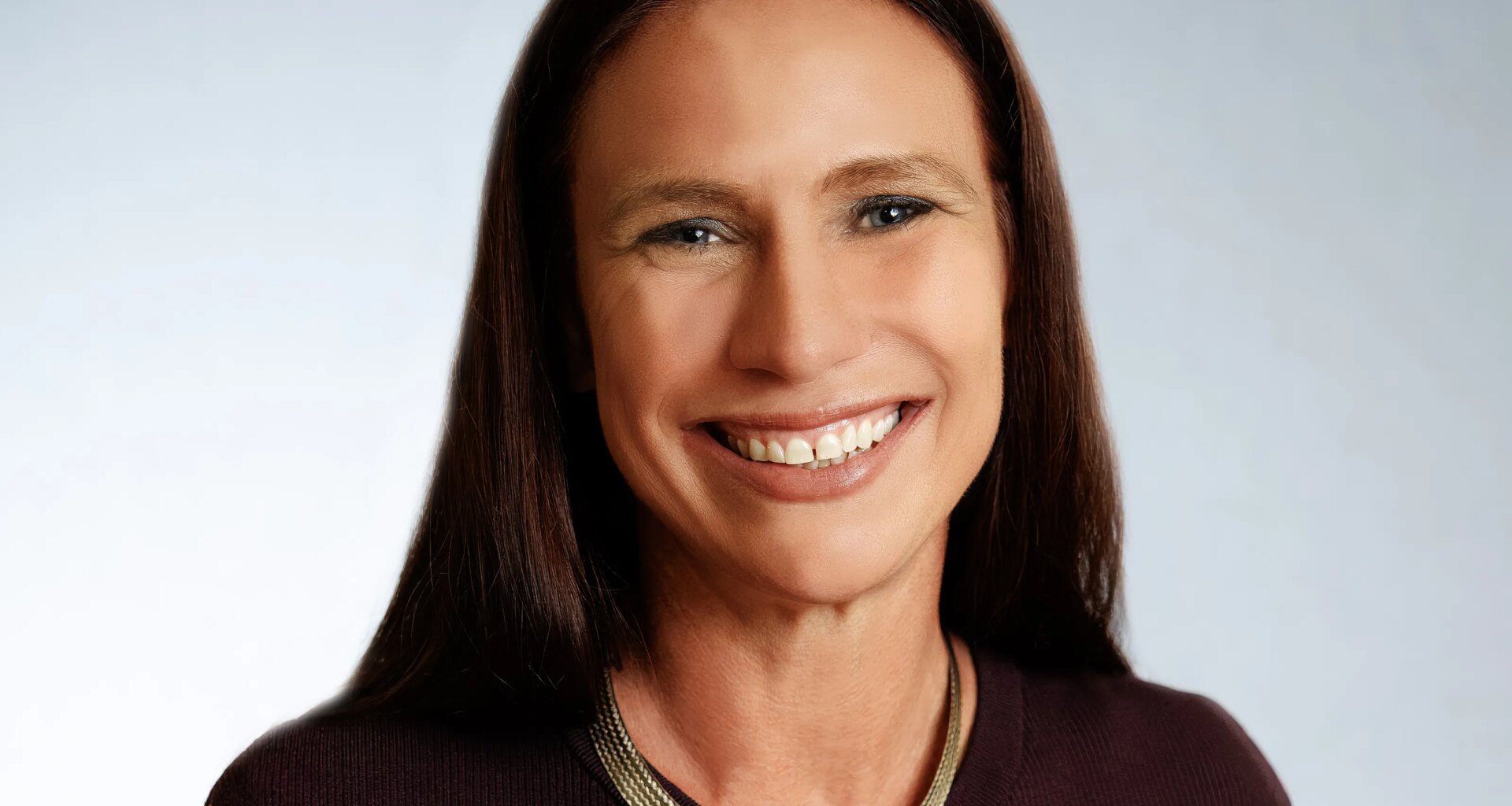
Annette Warren and Liza King are the two candidates for Cape Coral City Council’s District 6 seat.Warren, a 40-year resident and U.S. Air Force veteran, answered questions on topics like growth, water supply, and traffic.She believes new growth should pay its own way and not be a financial burden on current residents.Warren advocates for more local government authority, citing state-level decisions that have negatively impacted the city.
After the August primary, two candidates are now vying to become the next Cape Coral City Council member for District 6 in Southwest Florida‘s Lee County, including Annette Warren.
To better inform voters, they responded to questions by The News-Press covering a variety of topics including growth paying for growth, water supply, traffic, jobs, affordable housing and other issues.
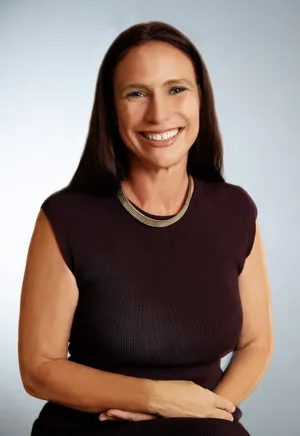
With 40 years rooted in Cape Coral, Warren, 48, served as law enforcement officer in the U.S. Air Force.

District 6 includes northwest Cape Coral, but the voting is done citywide for the four-year term. All eligible voters, regardless of party affiliation, will be able to cast their ballots in the non-partisan elections scheduled for Aug. 18.
The two with the highest totals advance to the Nov. 3 general election. Incumbent Keith Long is not seeking reelection.
Cape Coral has a council-manager form of government with seven districts with population sizes that are as equal as possible and follow the center lines of streets or canals. Council members are paid an annual salary of more than $44,000.

The other top vote-getting in the primary was Liza King who now faces Warren in the general election.
A Realtor and lifelong Lee resident, Liza King, 51, is 20th Judicial Circuit chief deputy court administrator.
Q: Talk about any recent examples — locally or statewide — that you believe either strengthened or weakened public confidence in free speech protections and explain that. How would you respond differently as a city leader?
I think people would be more confident in our local government if we would make it easier for residents to speak before decisions are made, not after. Locally, I understand that they moved public comment so that people who worked could get to the meeting to speak, but this actually weakened the public’s confidence because residents now feel they are being heard only after the decisions are made.

Q: When council voted last year on what’s now known as mobility fees, it fell short on implementing them at a level to fully cover what’s been outlined in future planning to fund billions in needed improvements that come with growth and arriving newcomers. Also expressed by some city leaders, concern from current citizens is they now will subsidize new development and utility expansion, too. What can be done on the shortfall? With new state laws in play, what kind of consensus can you build to get fees on track?
A: I don’t believe current residents should be stuck paying for infrastructure that’s needed because of new growth. Growth should help pay its fair share. To build consensus, we need to be open and honest and show people the numbers. Residents, developers, and city leaders should all understand what projects are needed, what they’ll cost, how much mobility fees will cover, and where the gaps are. From there, we can look at grants, bonding when appropriate, and responsible planning. The bottom line is simple: growth should not become a financial burden on existing taxpayers.
Housing: Florida rent prices crash as vacancies surge in Naples and Fort MyersCape Coral’s water supply, economic development, affordable housing
Q: Cape Coral has faced ongoing worries about water supply. What steps should be taken now to address future demand? As growth continues, what investments or policy changes are needed to ensure the city has a sustainable and reliable water supply? How should the city balance development approvals with the availability of water resources and infrastructure capacity?A: Cape Coral is actually in a good position when it comes to water because of the foresight of previous councils. They built our reverse osmosis system with future growth in mind, so we’re not starting from scratch—we just need to continue making reasonable expansions as we grow. That doesn’t mean we stop growth, but it does mean we grow responsibly. We need to make sure infrastructure is in place, developers do their part to help fund needed improvements, and current residents aren’t left paying the bill or dealing with service issues down the road.
Q: Residents have expressed frustration with jobs and the difficulty that goes with it on affording homes in Cape Coral. The data shows they have good reason for that, with the city and area near the bottom of America in high-paying professional and STEM-oriented careers. As the city forges on with redevelopment and other economic development opportunities, what is your specific plan to attract and retain higher-wage industries, and when will voters see results? What is your take on affordable housing?A: Cape Coral needs to create more opportunities for people to live and work here, not just commute elsewhere for a good-paying job. We should continue attracting businesses in healthcare, technology, marine industries and professional services. That means having sites ready for development, a predictable permitting process and strong workforce partnerships. When it comes to housing affordability, we have to be honest that the market largely dictates housing costs. The city’s role is to encourage responsible growth, remove unnecessary barriers and ensure a variety of housing options for residents at different stages of life.
Real estate: Weather inside is frightful. Florida remains among coldest for housingTraffic congestion and its effect on quality of life for Cape Coral residents
Q: Ever increasing traffic congestion continues to affect the quality of life for residents. In a city with more miles of waterways than anywhere else on Earth, talk about, if any, what alternative transportation options, such as passenger ferries and expanded transit connections, you would push or not push to implement, and how quickly would you have what you think is needed up and running? With unknowns on future property taxes as the state looks to chop that needed revenue for cities, how do you fund it?A: Cape Coral’s transportation challenges are different from most cities because of its growth pattern and infrastructure gaps. We need to continue improving roads, complete sidewalks in neighborhoods and use technology to improve traffic flow. The city has already completed a Mobility Feasibility Plan that includes alternative transportation options. As the “Waterfront Wonderland,” Cape Coral should explore a ferry connection to Sanibel and the beaches if there is sufficient demand. Any transportation solution should be based on real use, responsible funding and what works best for Cape Coral’s unique layout and future growth.
State vs. local government and providing leadership in Cape Coral, Florida
Q: Florida has increasingly limited the authority of local governments and their community’s residents in areas such as development regulation, zoning and public policy. That’s a big deal if you and council represent the state’s 8th largest city population. What authority should be returned to cities like Cape Coral, or are you good with it and explain that? Point to a specific policy where you believe local control is especially important instead of in state hands, and how you would advocate for it as an elected official.A: I believe local governments need more authority to address local issues. We’ve already seen consequences when the state takes control away from cities. For example, when contractor licensing was shifted to the state, Cape Coral lost funding that helped enforce unlicensed contractor violations. More recently, state legislation limited our ability to make zoning changes along Burnt Store Road, even though local leaders are in the best position to understand our infrastructure and growth challenges. Tallahassee should set broad guidelines, but cities like Cape Coral need the flexibility to make decisions based on local conditions and community needs.Q: What do you see as the biggest mistake or missed opportunity by current city leadership, and how would you pursue it differently?A: The biggest mistake has been inconsistency and it has continued to affect public trust. Residents and businesses need to know that city codes will be interpreted clearly and consistently, especially when they differ from the county. We have also seen the city say one thing and then do another, like building a rowing park and then creating uncertainty around the rowing team’s lease and future location. That kind of uncertainty from the council creates uncertainty for residents. I would focus on clearer policies, better communication, and decisions people can count on.Q: Voters have choices in this election. Why should they pick you over someone else in the race?A: I’ve been a Cape Coral resident for 40 years. I grew up here, raised my family here, and have watched this city grow every step of the way. For the last 20 years, I’ve advocated for Cape Coral through local nonprofits and the Chamber of Commerce’s Government Affairs Committee. I don’t just talk about getting involved, I do the work. I was also part of the effort that helped secure Cape Coral a consistent vote on the Tourist Development Council. My experience, relationships and long-term commitment to this community help prepare me to guide Cape Coral through its next chapter.
Candidates were asked to limit answers to 100 words, and those that came in beyond that were edited for clarity. In the Know Columnist Phil Fernandez (pfernandez@gannett.com) grew up in SWFL and has led Pulitzer Prize-winning efforts. Sign up: Breaking Ground growth and development newsletter. Subscribe: News-Press and Naples Daily News apps.