
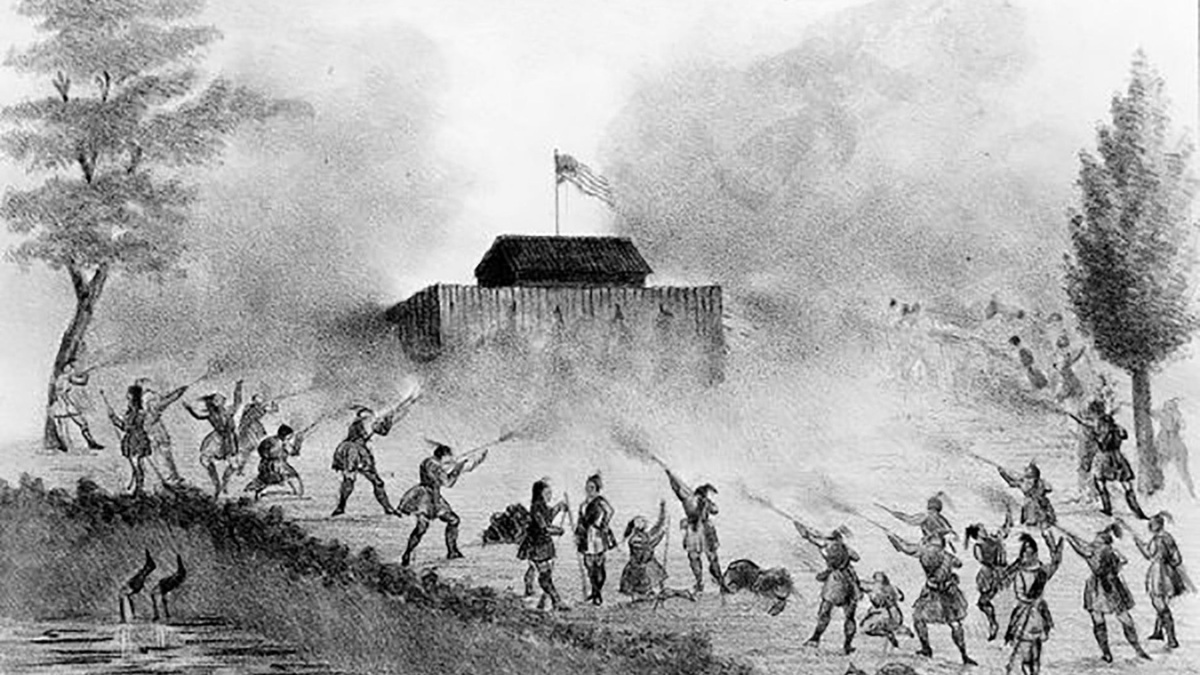
Lithograph of events in the Seminole War in Florida in 1835. Issued by T.F. Gray and James of Charleston, S.C., in 1837. This is the attack of the Seminoles on the blockhouse.
Provided by State Archives of Fl
USA TODAY Network, Reuters
Each week we take a look at different events, developments and people who have contributed to the history of Southwest Florida. Today, we thought it might be interesting to step back and take a look at the big picture – some major events and eras that shaped and sometimes changed the course of history here.
EARLY SETTLEMENT AND MILITARY FOUNDATIONS
Second Seminole War (1835–1842)
In 1850, the U.S. Army established the original camp that would become Fort Myers on the banks of the Caloosahatchee River, taking over the site of the earlier Fort Harvie. This move aimed to maintain control over the region amidst the ongoing Seminole Wars.
The Battle of Fort Myers (1865)
On February 20, 1865, Fort Myers witnessed the southernmost land battle of the American Civil War. Union forces successfully defended the fort from raids by Confederate “cow cavalry,” securing its status as a key post-war civilian settlement.
The founding of Naples (1886)
In 1886, former Kentucky Senator John Stuart Williams and newspaper publisher Walter N. Haldeman purchased over 3,700 acres of land to create Naples as a premier resort and winter retreat. By 1888, they had constructed the original Naples Pier and the Naples Hotel.
WEALTHY VISITORS AND INFRASTRUCTURE BOOMS
Thomas Edison Arrives in Fort Myers (1885–1901)
Inventor Thomas Edison first set foot in Fort Myers in 1885, where he built his winter estate, Seminole Lodge. He played a significant role in elevating the city’s profile, all while bringing electricity to the area, supported later by his friend Henry Ford.
Arrival of the Railroads (1904–1927)
The arrival of the Atlantic Coast Line in 1904 turned Fort Myers into a sought-after winter resort. This development paved the way for the Seaboard Air Line Railway to reach Naples in 1927, marking the end of the town’s dependence on boat transport.
Creation of Collier County (1923)
On May 8, 1923, Florida split Lee County to establish Collier County, named in honor of advertising mogul Barron Gift Collier. His efforts significantly bolstered local development.
Completion of the Tamiami Trail (1928)
Financed primarily by Barron Collier, the arduous construction of the Tamiami Trail wrapped up in 1928. This road connected Naples to Miami through the Everglades, making Southwest Florida more accessible than ever.
MID-CENTURY SHIFTS AND MAJOR DISASTERS
World War II Airfield (1943)
In 1943, the military constructed an airfield in Naples, attracting numerous servicemen and setting the stage for post-war population growth as veterans returned to the coast.
Hurricane Donna (1960)
In 1960, a catastrophic Category 4 storm with winds up to 150 mph struck the area, devastating the original Naples Pier and destroying coastal crops. Remarkably, there were no reported fatalities in Naples.
Modern Hurricanes (1992–2024)
In the years since, the region has faced major storms, including Hurricane Andrew (1992), Hurricane Irma (2017), as well as severe coastal flooding from Hurricane Ian and Hurricane Helene (2024). Each of these events has continuously influenced local building codes, flood management practices, and infrastructure development.
Sources: News-Press archives, newspapers.com, Wikipedia and the State Archives of Florida.
This article originally appeared on Fort Myers News-Press: Big moments and periods in time – Southwest Florida: ‘The Eras Tour’
Reporting by Compiled by B.D. Green, Fort Myers News-Press & Naples Daily News / Fort Myers News-Press
USA TODAY Network via Reuters Connect
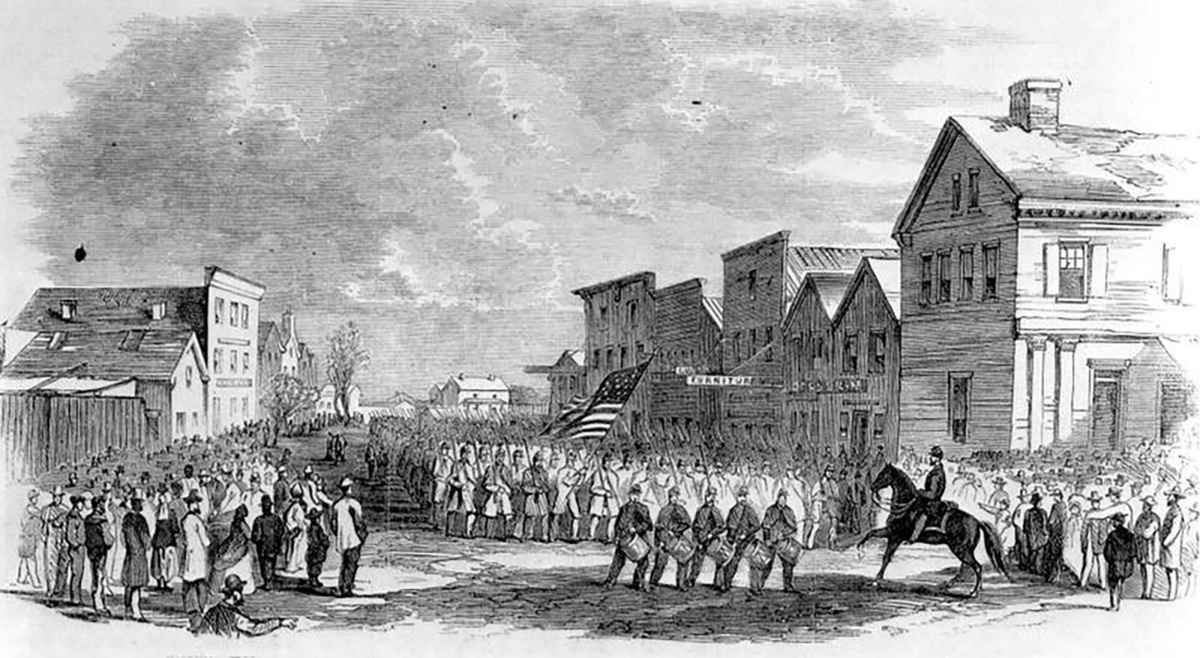 Image from Frank Leslie’s illustrated newspaper depicting national troops marching through occupied Fernandina. Provided by State Archives of Fl USA TODAY Network, Reuters
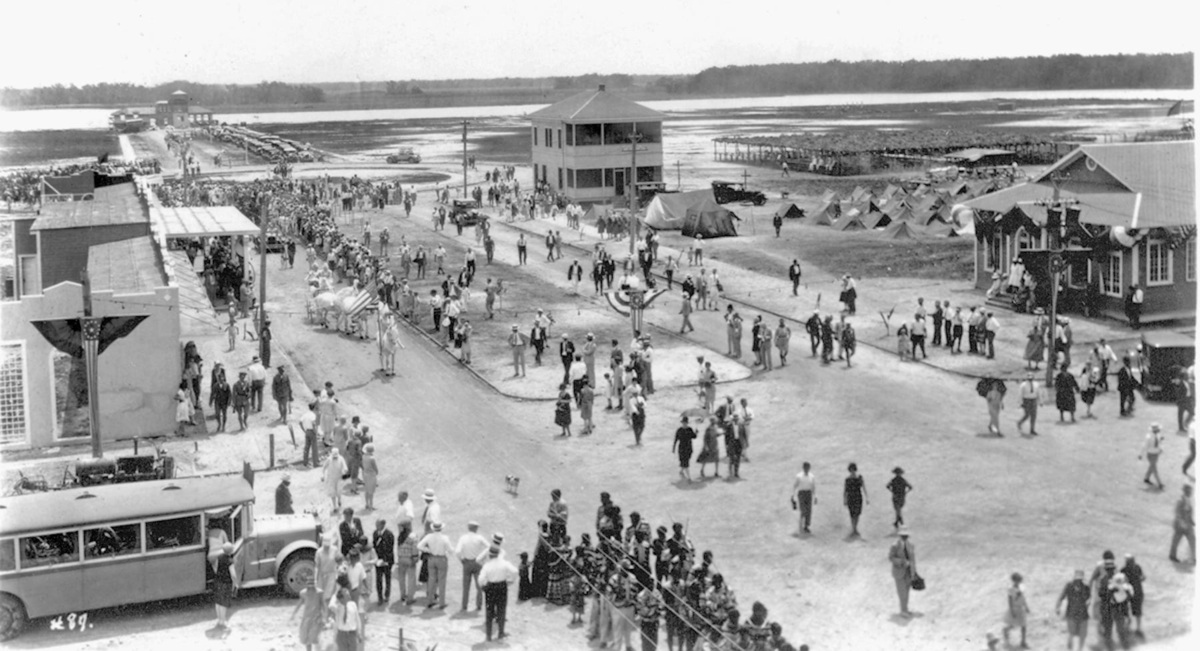 Opening day ceremonies for the Tamiami Trail at Everglades City (then known as Everglade) on April 27, 1928. Provided by Collier County Museu USA TODAY Network, Reuters
Copyright Reuters or USA Today Network via Reuters Connect
This story was originally published October 18, 2026 at 8:59 AM.