
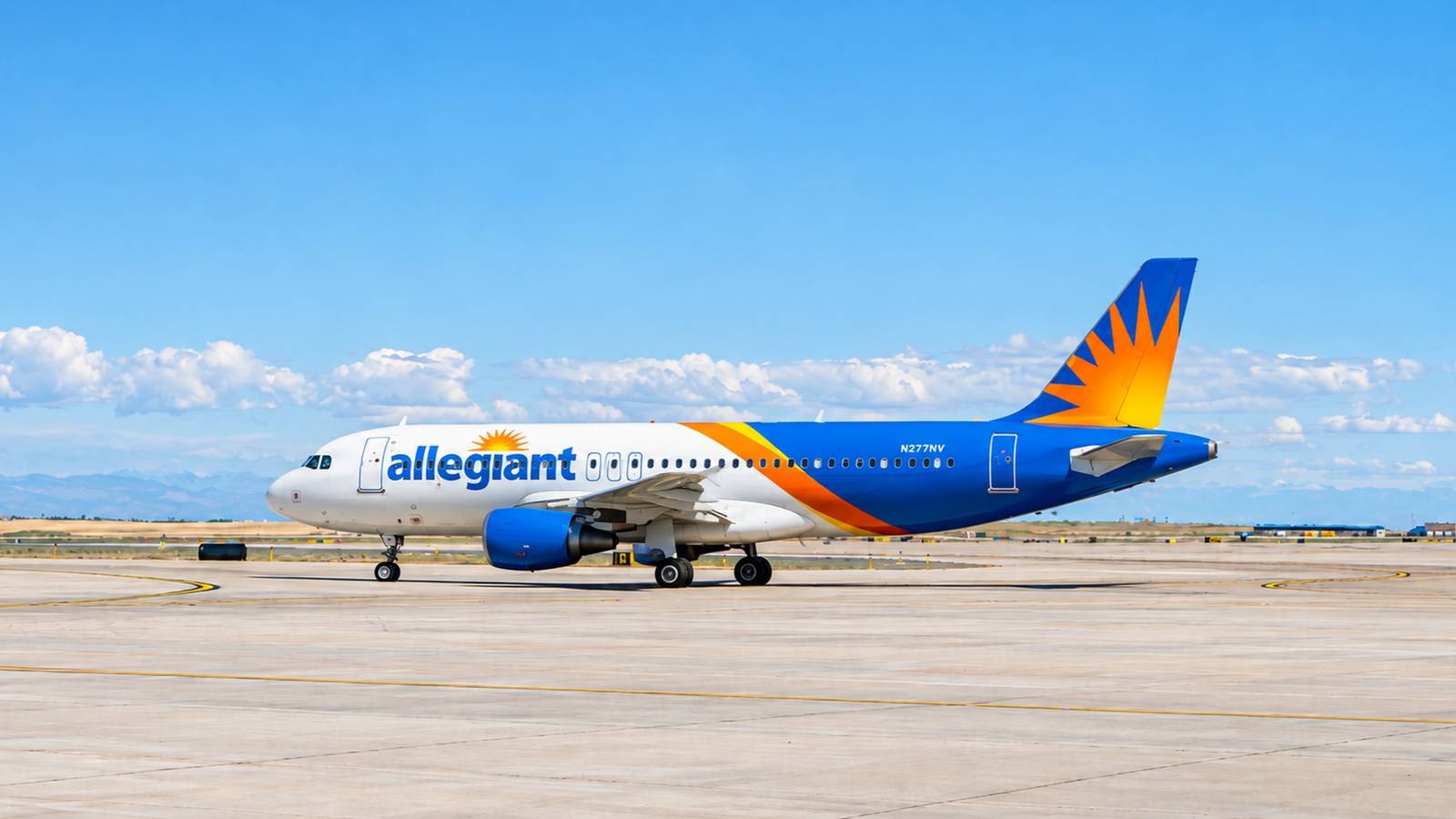
Allegiant Air has ended 20 nonstop routes serving seven Florida airports during 2026, with none currently scheduled to return before mid-2027. Destin–Fort Walton Beach Airport (VPS) has been particularly hard hit, losing seven routes, while  Fort Lauderdale-Hollywood International Airport (FLL) has lost four. The changes come amid a much broader restructuring of Allegiant’s network, which has seen the airline simultaneously announce dozens of new routes and eliminate existing services.
However, an analysis of US Department Of Transportation (DOT) data reveals a surprising picture. Many of these discontinued routes were carrying healthy passenger loads, with 12 recording load factors of at least 80% in 2026, including three above 90%. But the shifting of capacity is partly explained by Fort Lauderdale, where Allegiant has been expanding aggressively, with flights increasing 33% in the second half of this year. The net result is a fascinating look into an airline that is flexing its capacity to fill the void left by the collapse of Spirit Airlines.
Allegiant’s 20 Discontinued Florida Routes Revealed
Credit: Markus Mainka | Shutterstock
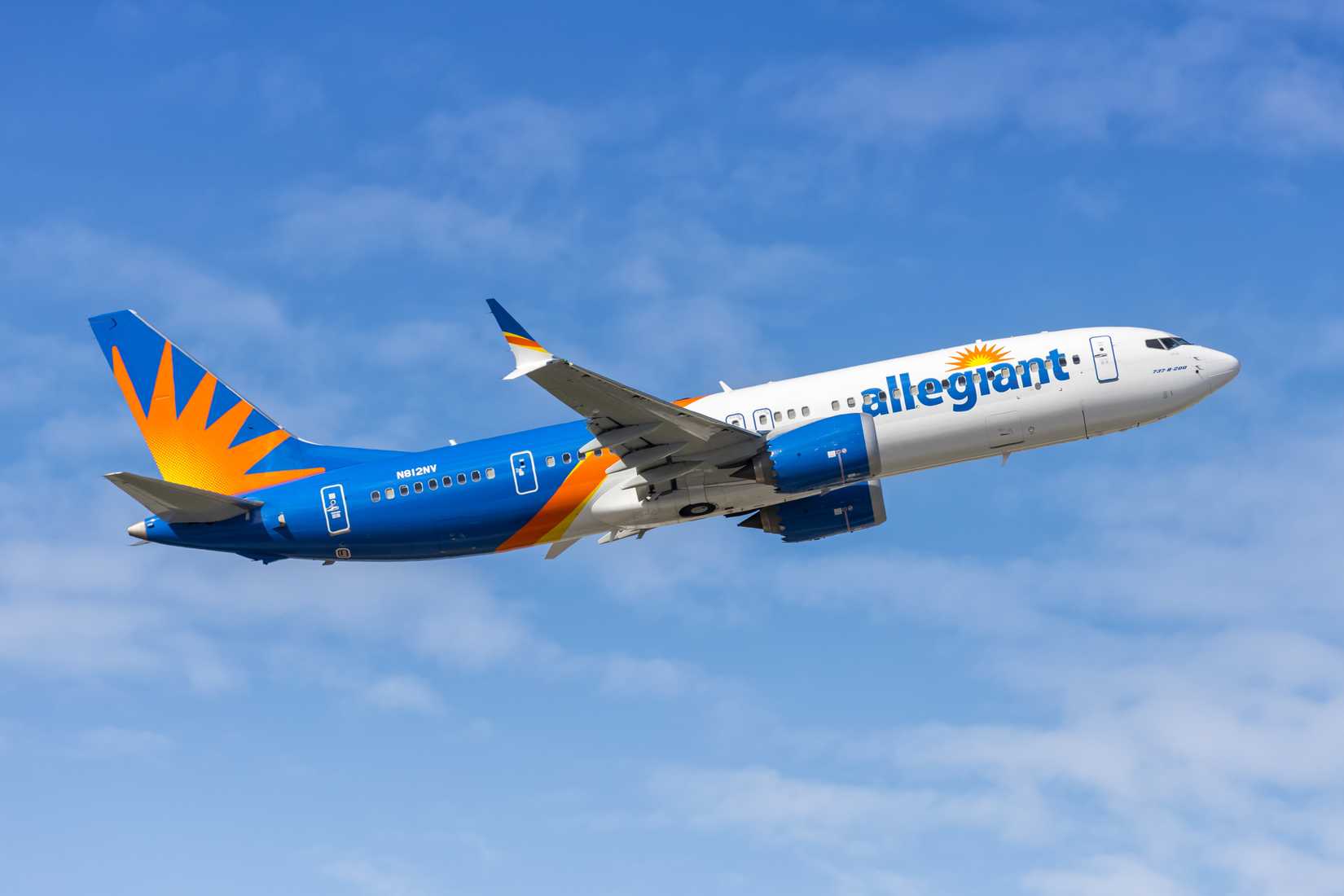
The 20 routes in question last operated between April and August this year, and are no longer available in Allegiant’s booking window, which extends to mid-May 2027. There is a slim chance that they could return for a not-yet-announced shortened seasonal stint next year, but it appears unlikely. In total, seven Florida airports are affected, including several of Allegiant’s most important operating bases. Destin accounts for seven of the withdrawals, followed by Fort Lauderdale with four and Orlando Sanford International Airport (SFB) with three.
Florida Airport
Discontinued Destination
Last Operated
Destin
Asheville
Aug 2026
Destin
Clarksburg
Aug 2026
Destin
Evansville
Aug 2026
Destin
Huntington
Aug 2026
Destin
Las Vegas
Aug 2026
Destin
Lexington
Aug 2026
Destin
Shreveport
Aug 2026
Fort Lauderdale
Columbia
May 2026
Fort Lauderdale
Huntington
May 2026
Fort Lauderdale
Savannah
May 2026
Fort Lauderdale
Traverse City
Apr 2026
Jacksonville
Des Moines
Aug 2026
Jacksonville
Nashville
Aug 2026
Orlando Sanford
Austin
Aug 2026
Orlando Sanford
Columbia
Apr 2026
Orlando Sanford
Rapid City
Aug 2026
Punta Gorda
New Orleans
May 2026
Sarasota
Nashville
Aug 2026
St. Pete–Clearwater
Little Rock
Aug 2026
St. Pete–Clearwater
Tulsa
Aug 2026
Destin’s seven withdrawn routes span smaller cities across the Midwest and Appalachia, alongside the much larger Las Vegas market. These run counter to prior moves, where Allegiant has expanded its presence at Destin in recent years, including adding new services to Denver and Columbia earlier this year. Nevertheless, DOT figures show Allegiant’s actual departures at VPS declined 12.6% during the first half of this year compared with the same period in 2025, and it would appear that trend is continuing as the year goes on.
Fort Lauderdale presents an even more interesting situation. Despite losing four routes, the airport has become a major focus of Allegiant’s expansion. It is now the carrier’s fastest-growing airport, with nine new destinations already this year, including Albany, Rochester and Chicago Rockford. The airline’s willingness to add new services while withdrawing others suggests that its changes are a more selective approach to network planning. Allegiant has emphasized this flexibility as a competitive advantage, particularly amid rising fuel costs and the changing economics of leisure travel.
The Surprise: Most Canceled Routes Had Strong Load Factors
Credit: Allegiant Air
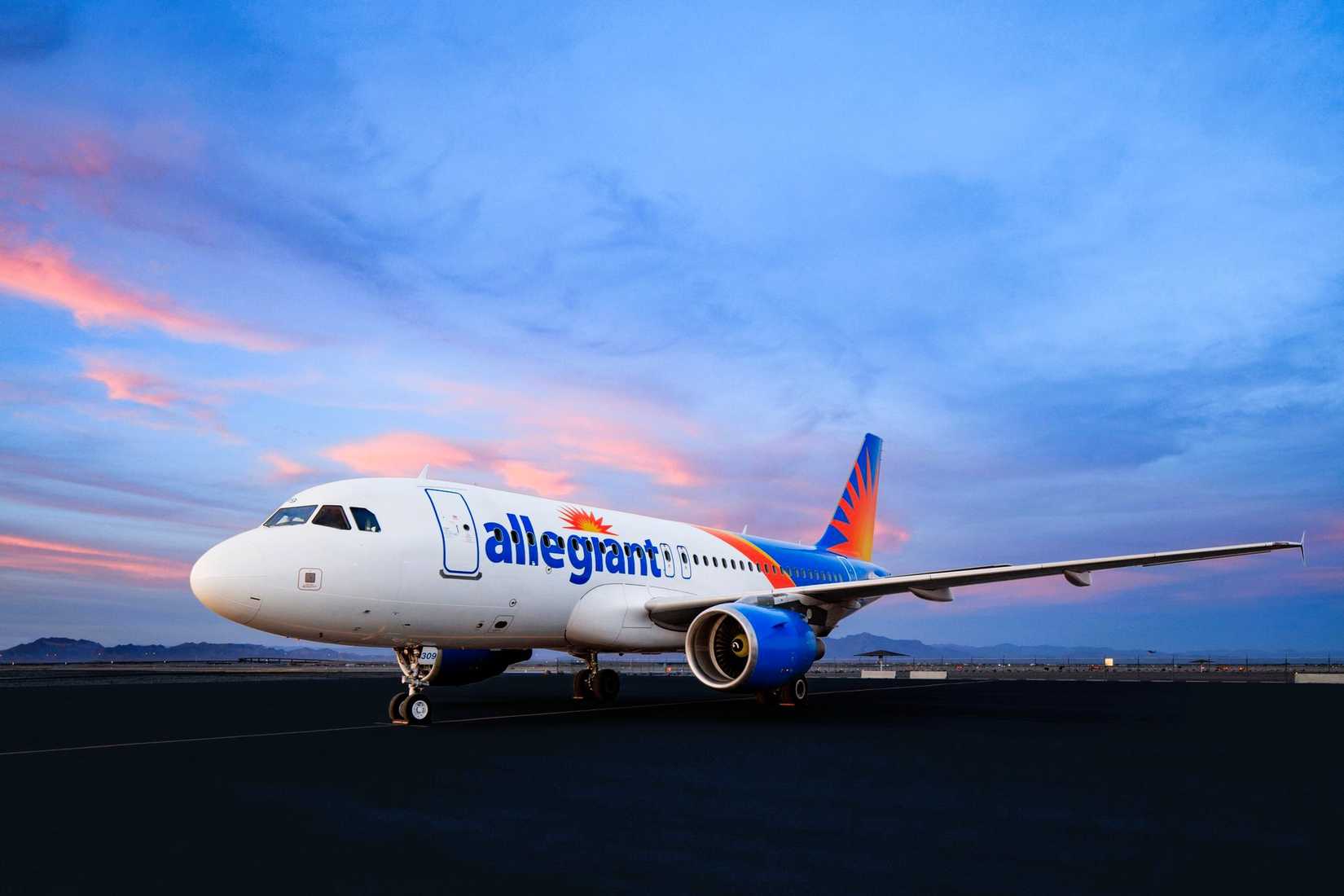
While weak passenger demand might seem the obvious explanation for Allegiant’s cancellations, DOT T-100 data paints a more complicated picture. Across the 20 discontinued routes, 12 achieved load factors of at least 80% in 2026, with three exceeding 90%. Moreover, 16 of the 18 routes with comparable 2025 operations actually improved their occupancy rates. This performance reflects a wider improvement across Allegiant’s entire network, with the airline reporting an 85.1% load factor for the first six months of 2026, up from 81.2% a year earlier.
Discontinued Route
2025 Load Factor
2026 Load Factor
Change
Orlando Sanford – Austin
91.2%
93.4%
+2.2 pp
St. Pete–Clearwater – Little Rock
73.1%
91.4%
+18.3 pp
Destin – Las Vegas
90.9%
90.3%
−0.6 pp
Jacksonville – Nashville
82.1%
89.5%
+7.4 pp
St. Pete–Clearwater – Tulsa
87.4%
89.4%
+2.0 pp
Jacksonville – Des Moines
81.6%
88.4%
+6.8 pp
Destin – Evansville
80.8%
85.9%
+5.1 pp
Sarasota – Nashville
81.5%
85.3%
+3.8 pp
Destin – Lexington
60.8%
85.1%
+24.3 pp
Orlando Sanford – Rapid City
83.1%
84.2%
+1.1 pp
Destin – Huntington
67.3%
80.9%
+13.6 pp
Destin – Clarksburg
78.5%
80.2%
+1.7 pp
Destin – Shreveport
74.4%
79.9%
+5.5 pp
Destin – Asheville
71.8%
73.1%
+1.3 pp
Fort Lauderdale – Traverse City
70.3%
72.1%
+1.8 pp
Fort Lauderdale – Savannah
61.5%
67.5%
+6.0 pp
Fort Lauderdale – Huntington
48.7%
49.1%
+0.4 pp
Fort Lauderdale – Columbia
51.3%
49.0%
−2.3 pp
Orlando Sanford – Columbia
N/A
44.6%
N/A
Punta Gorda – New Orleans
N/A
44.4%
N/A
Several cancellations are particularly surprising. Orlando Sanford to Austin Bergstrom International Airport (AUS) achieved a remarkable 93.4% load factor, while St. Pete–Clearwater to Little Rock reached 91.4%, improving by 18.3 percentage points. Even Destin–Las Vegas, one of the few routes to have a year-over-year decline, was still 90.3% full before the route was discontinued. Just four routes recorded load factors below 50%, providing more obvious candidates for withdrawal, although occupancy alone cannot establish whether a route was profitable.
The distinction matters because airlines measure profitability using considerably more than just passenger numbers. Ticket yields, ancillary revenue, operating costs and aircraft utilization all influence route decisions, particularly for Allegiant’s leisure-focused business model. This was evident when Allegiant reported its second quarter results, where a standout figure was that it had reduced overall capacity by 6.8%, yet still increased standalone total revenue per available seat mile by 24.6%.
Nevertheless, cutting routes with 80%+ load factors is a bold move. Except that Allegiant is doing it because it needs the aircraft to feed a faster-growing revenue machine in South Florida.
Related
Allegiant Air’s New Top 10 Airports 2026: Major Winners & Losers Revealed [Map]
Allegiant’s 2026 network reshuffle boosts Florida while Las Vegas takes the biggest hit.
Fort Lauderdale Gains As Allegiant Reshapes Its Network
Credit: Markus Mainka | Shutterstock
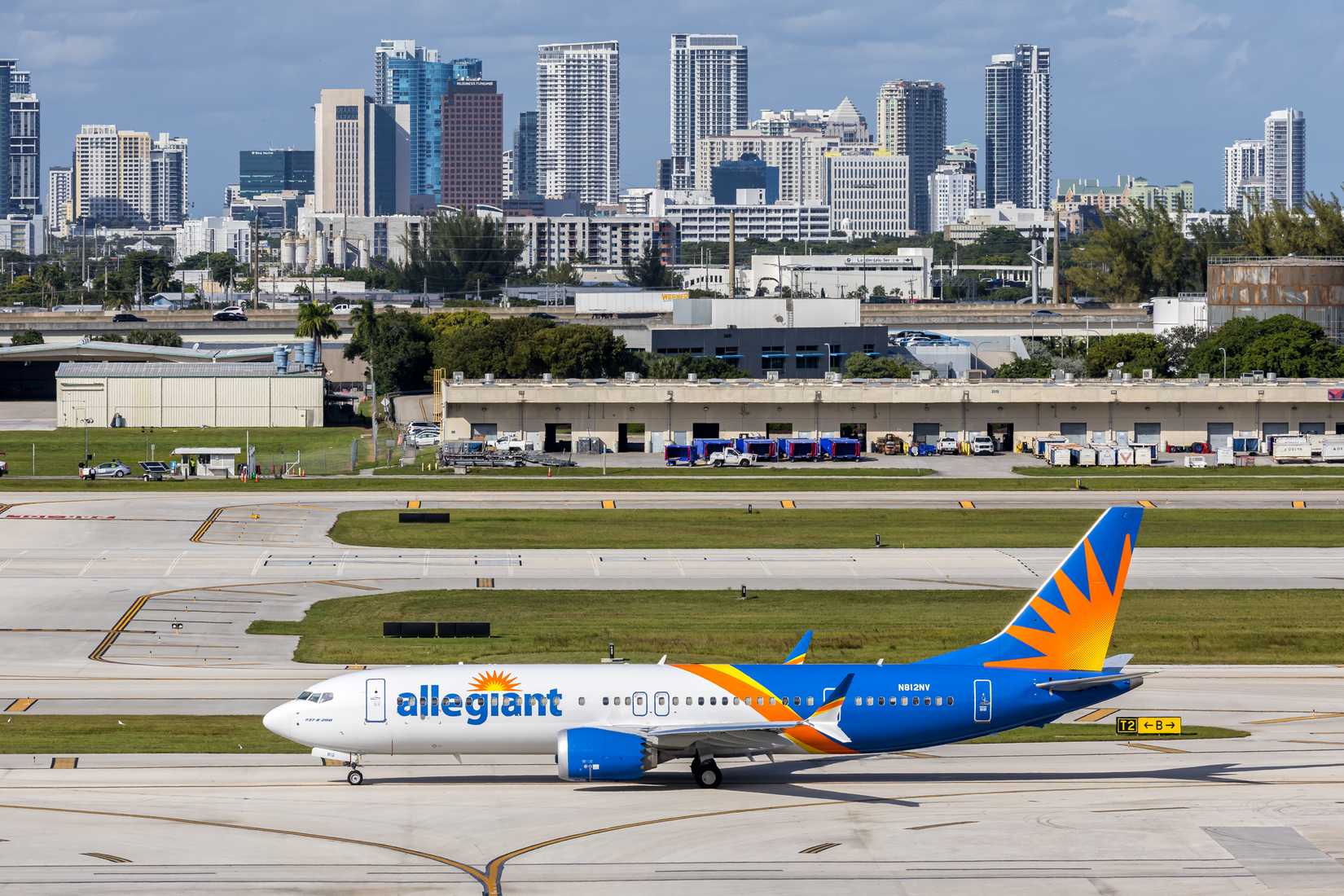
The cancellations are occurring against a backdrop of significant changes to Allegiant’s broader network. An analysis of Cirium schedules for the second half of this year reveals that five of the airline’s ten busiest airports are in Florida. Orlando Sanford remains the largest, with 10,374 scheduled flights, followed by St. Pete–Clearwater at 8,924. But comparatively, Fort Lauderdale has exploded for Allegiant, with a 33% increase in the number of flights compared to last year.
Florida Airport
H2 2026 Flights
YoY change
Orlando Sanford (SFB)
10,374
+4%
St. Pete–Clearwater (PIE)
8,924
+1%
Punta Gorda (PGD)
6,776
+3%
Fort Lauderdale (FLL)
4,988
+33%
Destin (VPS)
3,204
+5%
This is hardly surprising. After Spirit Airlines’ collapse at its former South Florida stronghold, multiple competitors have rushed to fill the void. JetBlue has been the most aggressive, becoming the new number one airline at Fort Lauderdale with scores of new routes. Similarly, Breeze Airways only added FLL to its network in November last year, but has added 14 new routes there already, including twice-daily flights to Tampa International Airport (TPA), and daily flights to Jacksonville, Myrtle Beach, and Pensacola.
In that context, Allegiant’s strong shift of capacity towards Fort Lauderdale makes sense, with it adding nine new routes in recent months. These range from large hubs like  Boston Logan International Airport (BOS) to much thinner routes like Chattanooga Metropolitan Airport (CHA), where Allegiant will be the sole carrier operating. In addition, the carrier has been increasing frequency to some of its existing 34 destinations from FLL, further adding to that 33% increase in flights.
Elsewhere, the picture is less positive. Las Vegas, Allegiant’s third-largest airport, will see a 9% reduction in flights during the second half of this year, following the removal of six routes. And Allegiant has also withdrawn completely from major West Coast airports, including Los Angeles, Oakland and San Diego. These changes underline the airline’s increasingly selective strategy: cutting routes in some markets and shifting the aircraft capacity to drive aggressive expansion in others, with Florida remaining central to its long-term ambitions.