
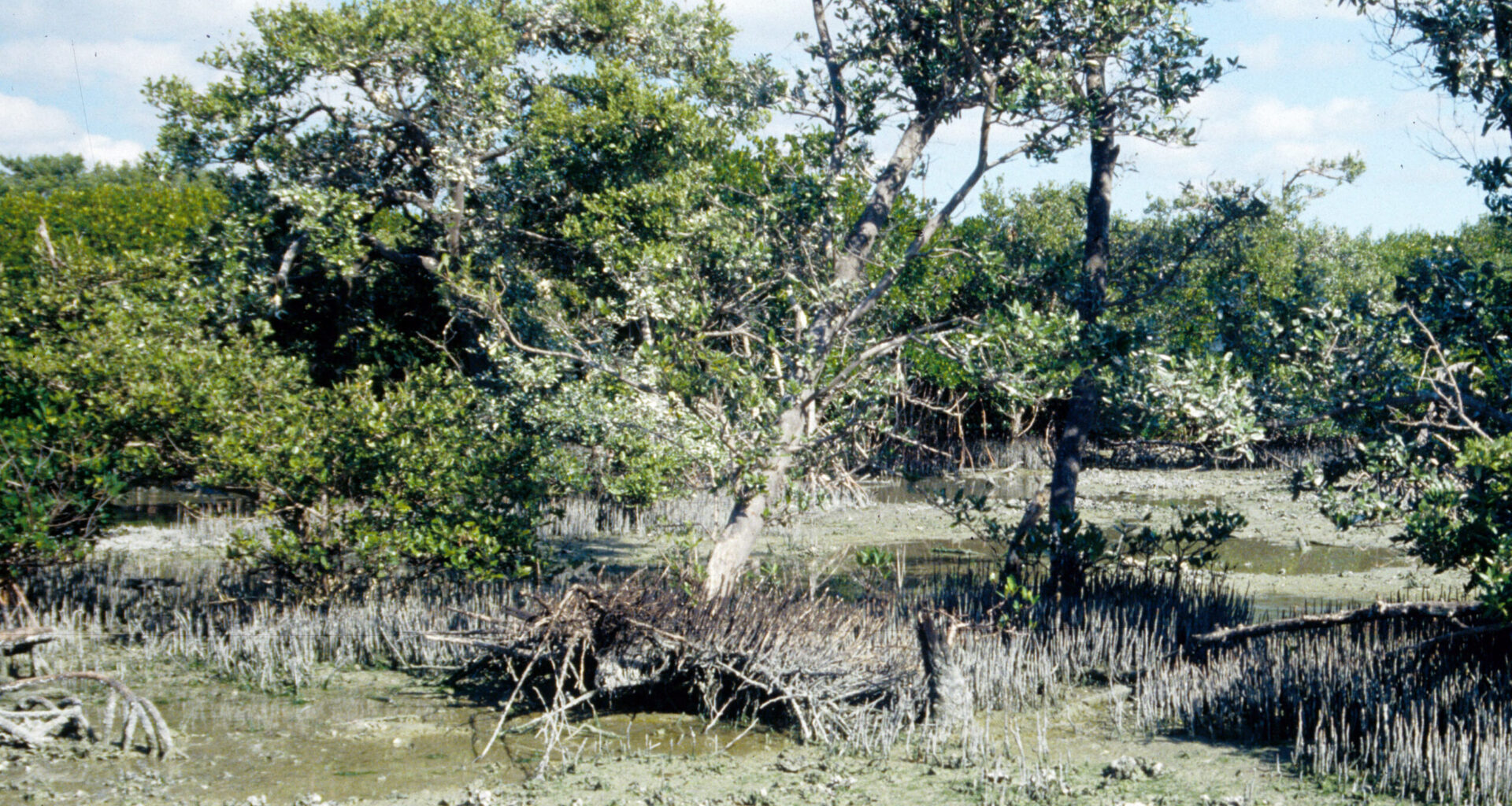
Just east of John’s Pass, a patch of mangroves rises from the shallow waters of Boca Ciega Bay. Birds gather among the trees, boaters visit the surrounding sandbars and kayakers paddle through a narrow passage beneath the mangrove canopy.
The roughly 14-acre property, known as Elnor Island, has been owned by Treasure Island for more than four decades. Now, city officials want to make sure it stays undeveloped.
Commissioners agreed during a workshop earlier this month to pursue deed restrictions that would prohibit new buildings on the island. The protections could also help Treasure Island qualify for larger flood insurance discounts through a federal program that rewards communities for reducing flood risks.
The commission directed staff to review the property’s title and prepare proposed restrictions for future consideration. Nothing has been adopted yet.
Jesse Miller, the city’s floodplain manager and Community Rating System coordinator, said the restrictions would protect the island while helping the city earn additional credit through the Federal Emergency Management Agency’s Community Rating System, or CRS.
The program gives communities points for floodplain management practices that go beyond minimum federal requirements. Higher ratings can mean lower flood insurance premiums for property owners.
Treasure Island currently holds a Class 6 rating, which provides a 20% discount on eligible flood insurance premiums.
In written responses to the St. Pete Catalyst, Miller said deed-restricted properties can earn a maximum of 50 CRS points. The city is undergoing a broader review of its flood management practices, and he believes Treasure Island could qualify for Class 4, which would provide a 30% discount.
The number of points the island might earn has not been determined, and the city’s final rating will depend on the outcome of that review.
Miller said officials are considering three provisions for the deed restrictions. They would prohibit construction of new buildings, remain binding on future property owners and allow changes or removal only with court approval upon a showing of just cause.
The city’s comprehensive plan already calls for Elnor Island to be preserved in its natural state. The proposed deed restrictions would add a legal safeguard against future development.
During the workshop, commissioners supported pursuing the protections but raised questions about what they could mean for people who use the island.
Residents described a passage beneath the mangroves where kayakers and paddleboarders travel between sections of the island. They worried that restrictions could eventually prevent people from using the route or visiting nearby recreational areas.
Commissioners discussed drawing the restricted areas separately or writing the protections to preserve access through the passage. They ultimately directed staff to proceed without restricting nonmotorized use of the waterway.
Miller subsequently said that closing the island to visitors is not the city’s intention.
“We do not anticipate any restrictions that would affect public access to the island, as the primary intent of the deed restriction is to prohibit future development,” Miller wrote.
The city is also considering language that could allow modest improvements, including boardwalks, timber catwalks or small kayak docks, if commissioners choose to pursue them in the future.
Elnor Island has been the subject of environmental work for decades.
According to the Pinellas County Property Appraiser, Treasure Island acquired the property in 1984. The parcel measures approximately 14.18 acres and has no buildings.
A March 2003 inspection documented invasive vegetation, including Brazilian pepper trees, and recommended cleanup and removal efforts.
In 2007, the city approved a contract backed by a $14,000 U.S. Fish and Wildlife Service grant to remove the trees and other invasive plants.
Tampa Bay Watch later installed oyster shell bars along the shoreline to help reduce erosion, improve water quality and provide habitat for fish and other marine life. The Southwest Florida Water Management District also approved seagrass restoration work in the area in 2012.
A Tampa Bay Watch project proposal identified brown pelicans, great blue herons and white ibis among the birds found around the mangrove-covered island.
City officials have also discussed seeking a Critical Wildlife Area designation through the Florida Fish and Wildlife Conservation Commission. That designation could bring additional protections for sensitive wildlife habitat, although any related restrictions on recreational activities would require separate consideration.