
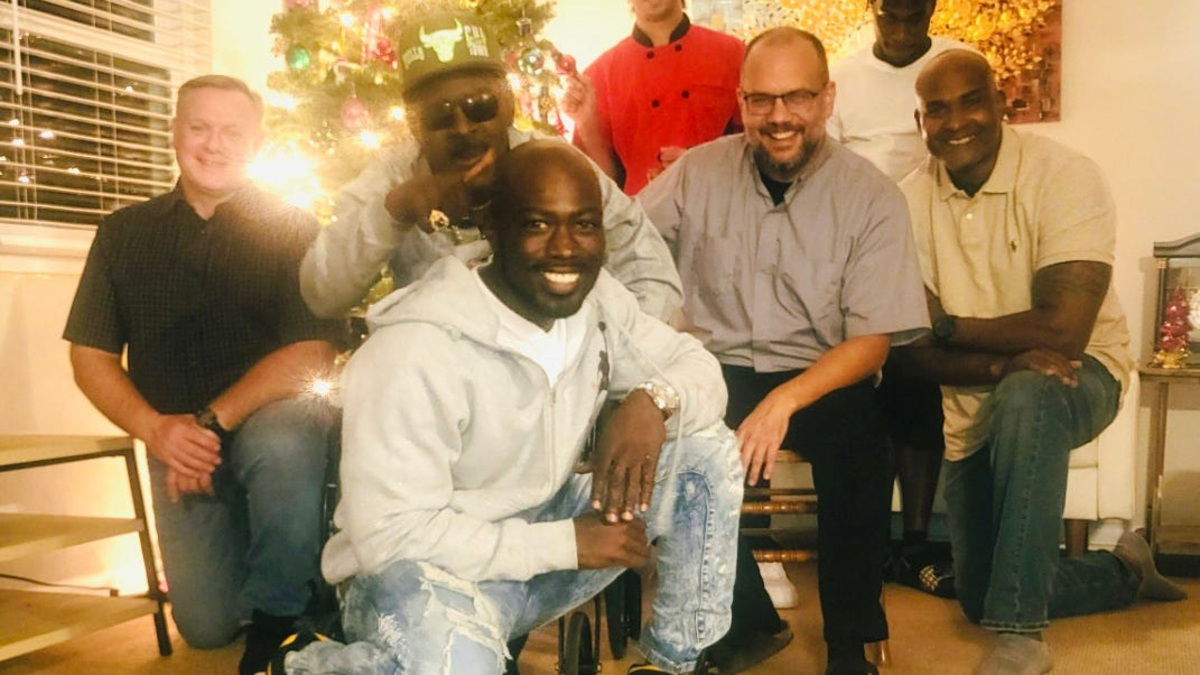
The Joseph House, a mission of the Catholic Diocese of Pensacola-Tallahassee, is a beautiful home to seven men at a time returning from incarceration in Florida as well as Father Feddon.
Provided by Joseph House
USA TODAY Network, Reuters
While I am not certain it was my first time meeting Julie and Michael McBride, who are often seen at community justice events, an early memory for me was the introduction that came in the Tallahassee Democrat from then-journalist, Rebeccah Lutz.
In 2011, Rebecca wrote a beautiful series of articles about restorative justice and the forgiveness that the Grosmaire family amazingly extended in the tragic killing of their daughter, Ann Grosmaire, in March 2010 by her fiancé, Conor McBride.
The concept of restorative justice was new to me then, with the only other reference I recall being that of another beloved local, the indomitable Agnes Furey, who was on a quest to forgive the murderer of her daughter and grandson that occurred in 1998 in Sarasota, Florida.
You can learn more about her remarkable story of co-authoring a book with him at https://prisonwriters.com/journey-toward-restorative-justice/
In 2014, a lovely Mennonite couple became a part of the home church I pastor. Mennonites, following the example of Jesus to love enemies and practice forgiveness, have played a prominent role in the modern movement of restorative justice. Barbara Johnson was a trained facilitator in the movement and shared with our congregation about the beauty of this work that has its roots in indigenous cultures and religions across the world.
Used often with young people, as did Barbara, the concept is to involve all parties in naming and acknowledging the harm, to allow those who were harmed to grieve their losses, tell their stories, and have their questions answered, and to hold those responsible for the harm truly accountable as they seek to repair the harm to the extent possible.
Its principles emphasize collaborative dialogues involving victims, offenders, and community members to identify obligations, promote accountability, and develop agreed-upon solutions.
Howard Zehr is known as the grandfather of restorative justice, and you can learn more about it at https://zehr-institute.org/
The application of restorative justice in a circumstance where the victim dies is rare. As were the actions of those most intimately involved in the tragic death of Ann: Conor, who turned himself in and admitted his guilt; Conor’s father, who found the courage to go straight to the hospital to see her parents and Ann, who lived for five days after the shooting; as well as Ann’s father and mother, who graciously received Conor’s father and welcomed his visit to the hospital.
The holy relationship-building that happened between the families and our community justice system when Kate and Andy Grosmaire pursued restorative justice in the days beyond is a testament to the healing power of restorative justice in even the most difficult of circumstances.
When Julie McBride, as a Board Member of Joseph House Inc., asked if I would devote my weekly faith column to highlight the upcoming Gala featuring attorney and author, Bryan Stevenson, there was no question. In these highly divisive times of us and them, it is my prayer that our community continues to grow in the spirit of restorative justice, of not seeing important matters as two dimensional, either right or wrong, good or bad, but with all the nuance that is true of life and living. All the nuance that restorative justice embraces.
Bryan Stevenson, founder and executive director of the Equal Justice Initiative, and the author of Just Mercy, has shown remarkable leadership in pursuing restorative justice as a part of a criminal justice system that is more focused on punishment than restoration.
His compelling book was made into a film of the same title in 2019 and can be seen on many streaming platforms. He is the keynote speaker for the 8th annual Joseph House Evening of Mercy Gala being held on October 29 from 6:00-9:30 PM at the Civic Center.
The Joseph House, a mission of the Catholic Diocese of Pensacola-Tallahassee, is a beautiful home to seven men at a time returning from incarceration in Florida. The house includes eight private bedrooms, two common well-equipped kitchens, a lovely butterfly garden with a Gazebo, and two welcoming porches. The community is situated in a pleasant Midtown neighborhood on a quiet Tallahassee street.
Each person who comes to these homes is given space to live in a caring community which supports their growth as they reclaim some of what they lost in prison. It is a place of belonging that focuses on their well-being and dignity as staff members walk with them as they care for practical matters and find their way. Guided by twelve important values from proximity to dreams, it is a place that we as a community can support with our time, resources and presence. You can learn more at https://www.josephhouseus.org/
With the recent increase in executions in our own state, and the concerns surrounding failed attempts at executions in other states, or potential public viewings of executions, the notion of a better way of handling criminal justice as restorative justice proposes seems more important than ever. A transformative process that is three dimensional, which takes all parties into consideration while acknowledging harm, accountability, and community engagement, feels like an urgent need.
The Executive Director of “Floridians for Alternatives to the Death Penalty” is a longtime friend from my ministry at East Hill Baptist Church. Ever bright and compassionate, Grace Hanna leads an organization that seeks to acknowledge all parties in capital offenses. Grace has found a way to connect with the death row prisoner and family as well as the family members of the victim(s). She acknowledges the humanity in all people, a fundamental principle in restorative justice.
Recently she asked me to give Father Dustin Feddon, founder of Joseph House and author of More Than Halfway Home, a hug if I saw him, because of the increased number of death row inmates, some of whom he has been visiting for years, that he accompanies as their chaplain in their state execution.
Grace, who was featured recently along with Father Feddon, in the New York Times Sunday Magazine, available at https://www.propublica.org/article/florida-death-penalty-executions-ron-desantis, has asked for prayers not only for Father Feddon, but for all of the persons required to be a part of each execution and the ways in which it traumatizes and troubles their spirits.
We live in a remarkable community replete with those who are looking for a better solution to handling the conflict and harm that happens between us, as well as those who have practiced restorative justice in the most difficult of circumstances.
Bryan Stevenson is a compelling author and visionary who will inspire and encourage hope in a better way, a way of mercy. I pray that those who hear him speak will be inspired and that we all will find ways to support Joseph House in its vital ministry. You can contact Joseph House at info@josephhouseus.org or by calling (850) 299-9971.
The Rev. Candace McKibben is an ordained minister and pastor of Tallahassee Fellowship. Email McKibben at cturtle55@comcast.net.
This article originally appeared on Tallahassee Democrat: Can restorative justice heal Tallahassee and our divided society?
Reporting by Rev. Candace McKibben, Special to the Democrat / Tallahassee Democrat
USA TODAY Network via Reuters Connect
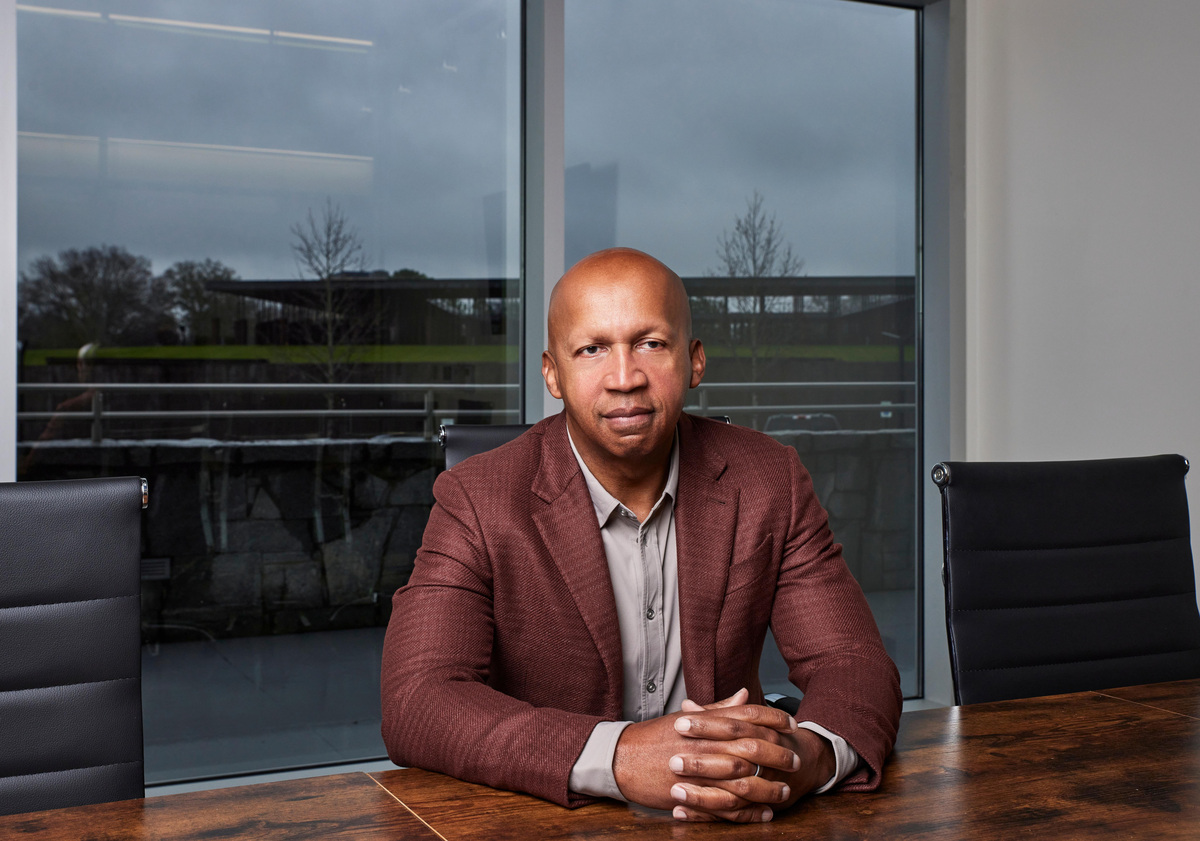 Bryan Stevenson, founder and executive director of the Equal Justice Initiative, and the author of Just Mercy, is the keynote speaker at the 8th annual Joseph House Evening of Mercy Gala. Provided by Equal Justice Initia USA TODAY Network, Reuters
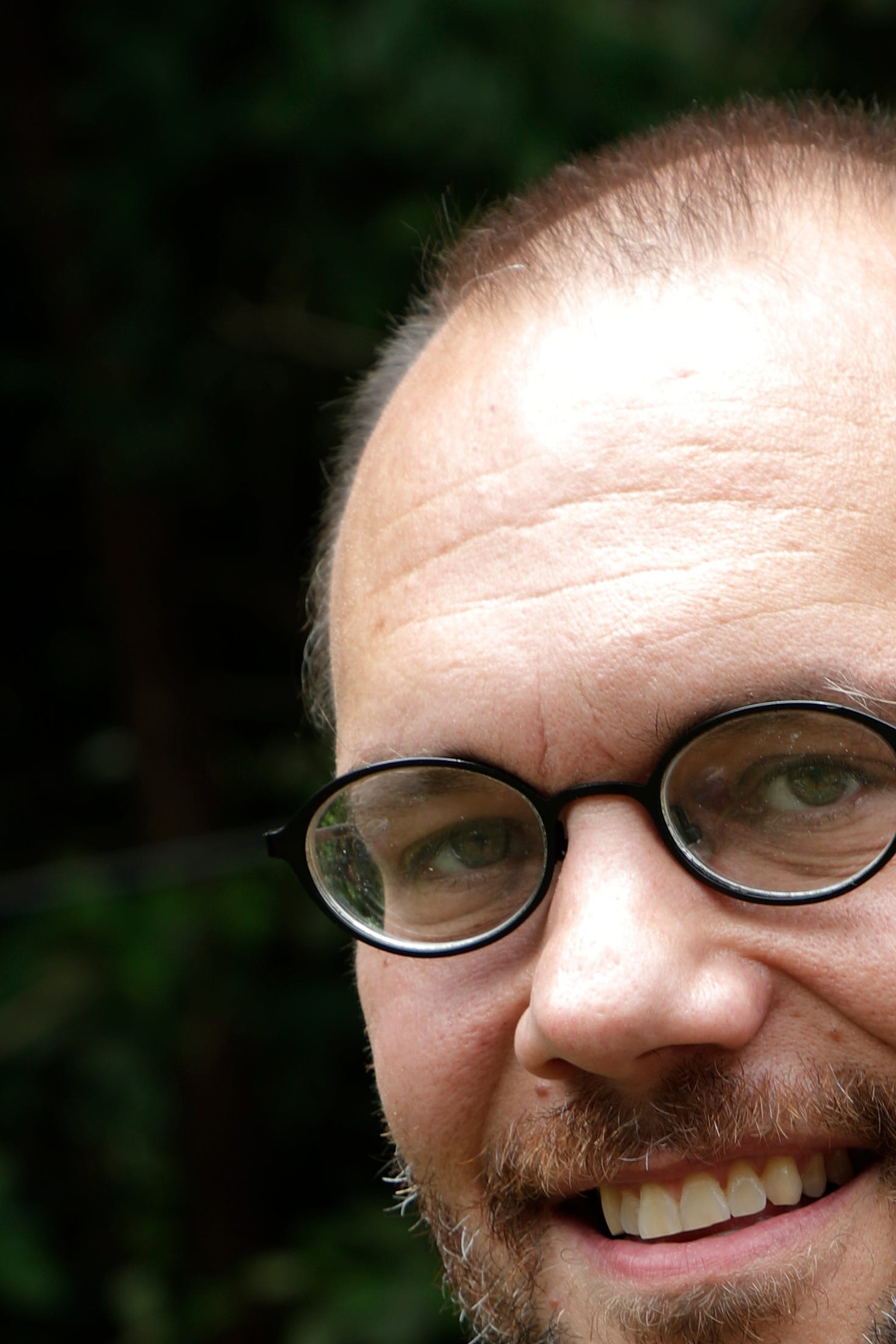 Rev. Dustin Feddon is the executive director of Joseph House, a ministry to assist the formerly incarcerated, created by the Diocese of Pensacola-Tallahassee. Tori Schneider/Tallahassee Democ USA TODAY Network, Reuters
Copyright Reuters or USA Today Network via Reuters Connect
This story was originally published October 23, 2026 at 5:08 AM.