
Pinellas County is preparing to distribute $22.1 million in hurricane recovery grants to local businesses, including some that closed in the aftermath of Hurricanes Helene and Milton.
The Small Business Community Recovery Program, expected to launch before the end of the year, would provide grants ranging from $35,000 to $500,000 to help businesses recover from storm damage, stay afloat and create jobs.
County officials outlined the proposal during an Oct. 22 commission work session, more than two years after the back-to-back hurricanes battered commercial districts along Pinellas County’s Gulf beaches.
The financial toll has been substantial. The St. Pete Catalyst reported in December 2024 that approximately 1,100 businesses had been affected by the storms, with damage estimated at $136 million, according to preliminary county assessments.
A subsequent county disaster recovery assessment identified approximately $525 million in unmet business recovery needs after accounting for insurance proceeds and other assistance available at the time.
The proposed $22.1 million grant program represents roughly 4% of that estimated shortfall.
The damage went well beyond flooded storefronts and ruined equipment. Businesses that managed to reopen also faced months of slow tourism, particularly along the barrier islands.
As previously reported, tourist tax collections in St. Pete Beach, Treasure Island and Madeira Beach fell 35% in January 2025 compared with the previous year, even as other parts of the county fared better.
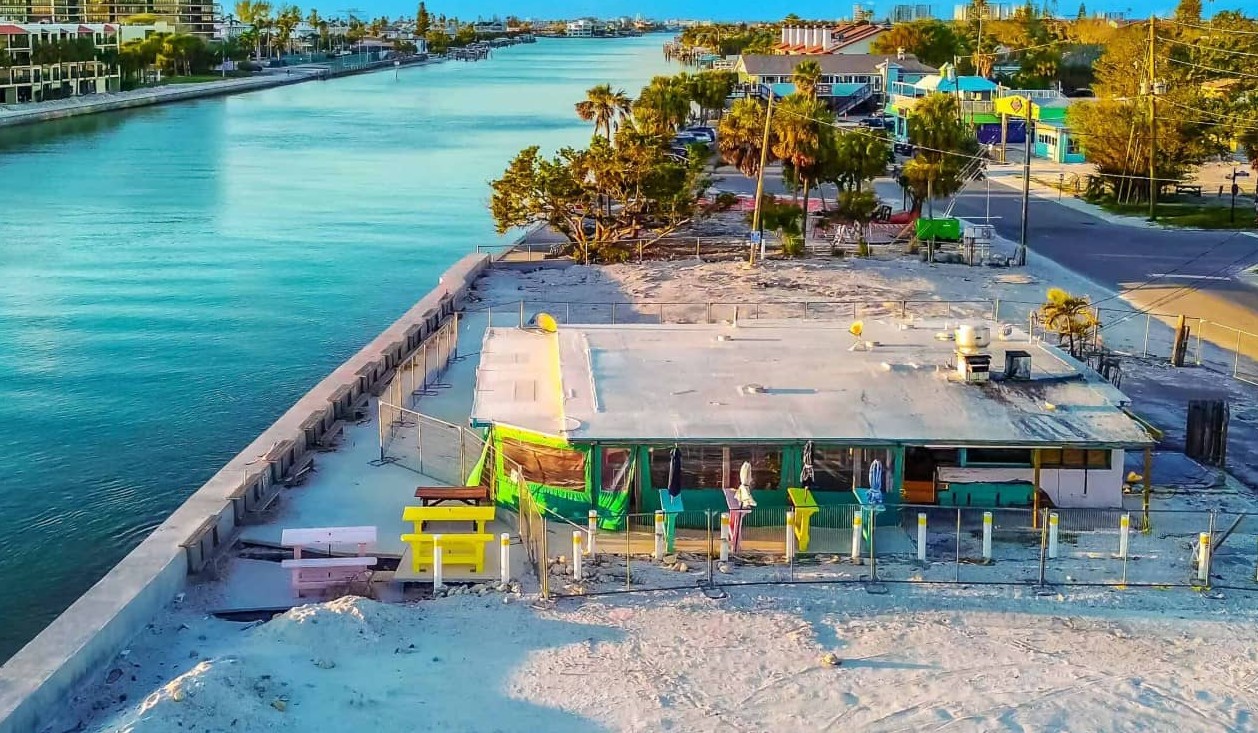
Some businesses never recovered. Woody’s Waterfront, a St. Pete Beach restaurant that had operated for more than 35 years, closed following Hurricane Helene. Its former property sold for $2.4 million in January.
Commissioner Kathleen Peters questioned why the county’s business assistance program had taken so long to get underway.
“I think we’ve waited too long to launch the business portion of this,” Peters said.
She said some beach businesses struggled to hang on after the storms, only to close before the program was ready.
Peters then asked whether those businesses would still qualify for funding.
Ryan Flannery, program director for BDO Government Services, which administers the county’s disaster recovery programs, said businesses that were operating when the hurricanes struck could potentially qualify even if they had since closed.
“We’re finalizing program policies and procedures, but generally yes,” Flannery said.
Businesses seeking to reopen would need to present a plan demonstrating they could operate sustainably and create jobs. Specific requirements are still being finalized.
The grants would cover eligible operating expenses, equipment, commercial vehicles and furnishings, with the county prioritizing future expenses rather than reimbursing businesses for money already spent.
Applications would open in phases, beginning with industries such as food service, hospitality, tourism, transportation and childcare. Other eligible businesses could follow as funding allows.
Flannery acknowledged that the county has relatively little money to distribute compared with the outstanding need, making decisions about how to allocate the grants especially important.
County officials have consulted local business groups but have not announced an application date. They expect to launch the program before the end of 2026.
Peters urged officials to start spreading the word now, giving business owners time to prepare for the application process.
“If you’re launching this by the end of the year, you need to give people a heads up so they can get prepared,” Peters said.