
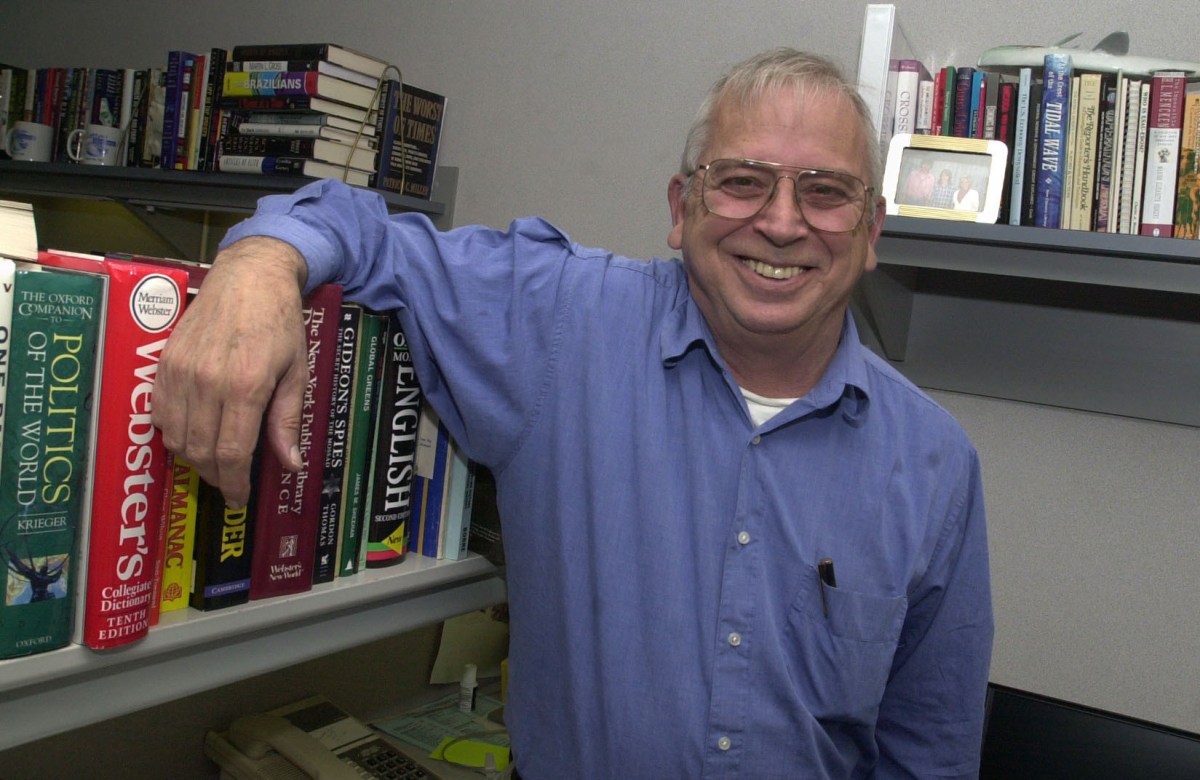
Charley Reese wrote for the Orlando Sentinel for 30 years, and I read every column. He died in 2013. One line he wrote in 1984 has stayed with me ever since: “One hundred senators, 435 congressmen, one president and nine Supreme Court justices — 545 human beings out of the 235 million — are directly, legally, morally and individually responsible for the domestic problems that plague this country.”
There are about 340 million of us now. The arithmetic of responsibility hasn’t changed. Congress is 535 of those 545, and it has largely stopped using its share. The president is using it instead.
I was born in 1951 and grew up in the Florida Panhandle and Tampa and Jacksonville. I’ve lived under 14 presidents and voted Republican until Donald Trump.
I’ve watched presidents of both parties lie, spy, overreach and get caught. I have never watched one take apart the government he swore to run while Congress stood aside.
Since January 2025, major federal agencies have lost more than 11% of their workforce, according to the Government Accountability Office. The Justice Department has sued 30 states and Washington, D.C., for their voter rolls. On Nov. 3, voters can put the check back.
I was in my early 20s when Richard Nixon refused to spend money Congress had appropriated. He lost nearly every case in the appeals courts, and Congress passed the Impoundment Control Act of 1974 to stop him.
The system worked. A president overreached. Courts and Congress pushed back.
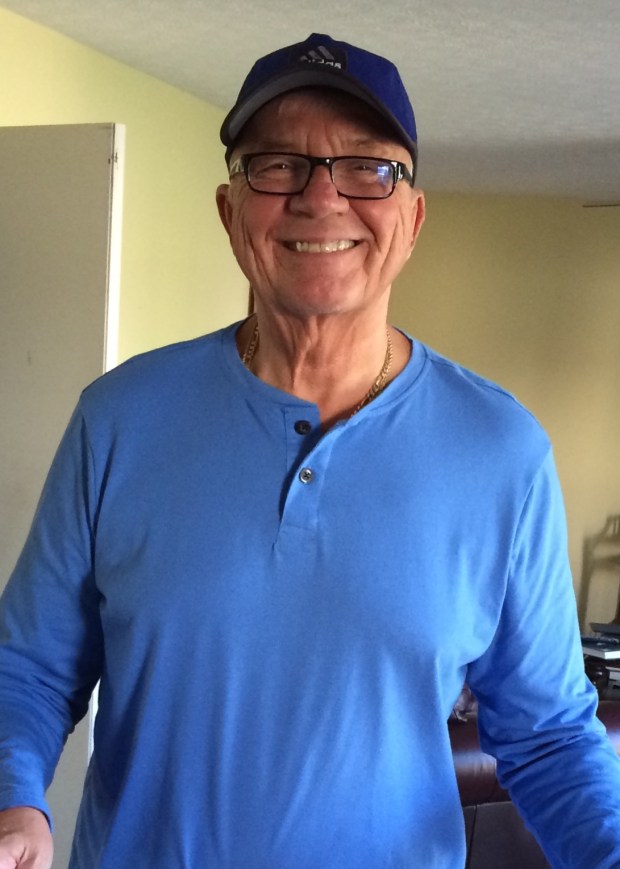 Ray Watford is a former newspaper production editor. (courtesy, Ray Watford)
Start with the money. The administration has effectively dismantled USAID as an independent agency, and the Education Department has signed agreements to shift at least 148 programs elsewhere. On Sept. 25, the White House moved to cancel $810 million Congress had approved, announcing it after the House left town. The GAO concluded that violated the Impoundment Control Act. Congress has held no serious hearings and passed no law to stop it.
Now our elections. The Justice Department demanded voters’ private data from nearly every state, then checked it against an immigration database known to carry outdated records. On Oct. 9, a federal judge ruled the effort unlawful, calling it “the federal government’s attempt to decide who gets to vote.”
Courts dismissed most of those voter-roll lawsuits. But courts can only say no to what lands in front of them. Congress was built to do more.
Instead, last year it voted to cancel $9 billion it had already approved. Only two Republican senators voted no.
In Florida, the habit runs downhill. When Congress lets the president decide alone, state legislatures learn the same lesson.
In 2018, nearly 65% of us voted to restore voting rights to people who had finished their sentences. The next year, the Legislature made them pay every fine and fee first.
In 2010, 63% of us voted to ban partisan gerrymandering. This April, lawmakers passed, without changes, a congressional map drawn by an aide to the governor that analysts say could add as many as four Republican seats. Courts haven’t ruled on whether it breaks the amendment, but it will be used Nov. 3.
Defenders will say the president won, Congress is closely divided and presidents of both parties stretch their power. All true.
But the test is not whether a president pushes limits. It is whether Congress uses its tools to defend its own authority: hearings, subpoenas, appropriations, lawsuits and laws. On that test, this Congress has largely stood down.
The question isn’t how big government should be. The issue is who decides.
Every House seat is on the ballot Nov. 3, along with a third of the Senate. Florida also picks a senator, a governor and several Cabinet offices.
Ask every candidate three questions: Will you enforce the Impoundment Control Act? Will you require hearings and votes before agencies are dismantled? Will you support independent redistricting?
A Congress willing to hold real hearings, pass laws with teeth and say no would restore what’s been missing: a second branch that acts like one. A governor from the other party would do the same in Tallahassee.
In 1974, Congress remembered whose power it was.
On Nov. 3, the rest of us get to remind the 545.
Ray Watford is a writer and retired newspaper production director from Port Orange.