
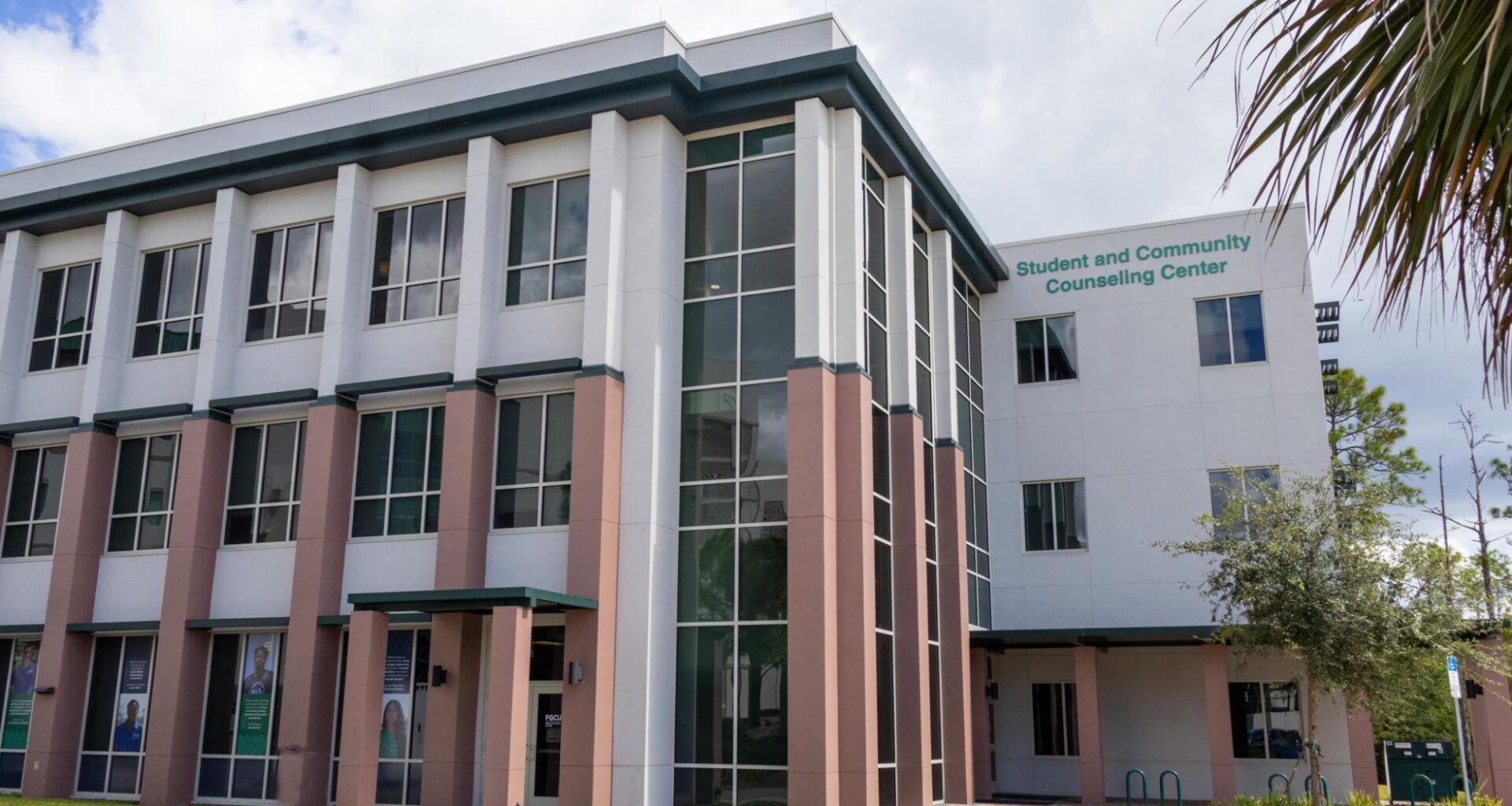
In college, you are faced with navigating new experiences during an incredibly unique transitional point in your life. You are responsible for managing the pressures of earning your degree as well as balancing personal obligations and work responsibilities. It’s one of the first times you have to become fully self-reliant and in touch with yourself. That is why it is so vital to ensure that your mental health is being properly cared for.
According to Healthy Minds’ latest survey, college students are experiencing all-time high rates of depression, anxiety and suicidal ideation. From 2023 to 2024, 38% of students experienced depression, 34% experienced anxiety and 50% received a lifetime diagnosis of a mental disorder. Around 36% of students received mental health counseling, an increase of 6% from 2020.
Story continues below advertisement
This trend is not surprising, given all the reasons students may feel stressed today. Whether it’s dealing with information overload online, social pressures or even home issues, all of it adds up. With so many pressures weighing on students, it is exceedingly apparent why mental health resources are so necessary.
It is perfectly understandable to feel overwhelmed and even homesick throughout the semester. That’s why mental health resources are so important at colleges. At such a pivotal age in life, it can feel gratifying and comforting to talk to someone about the issues you’re facing. Oftentimes, we think that we are struggling alone, but finding solace and validation in someone else can help us feel supported. If a struggling student is provided with the right resources and positive coping mechanisms, it could set them on the right track and prevent a mental health crisis.
College is a time when you’re learning what works for you and how to live on your own. An essential part of these adjustments is finding a schedule that works for you by managing your social, academic and work life. Most students’ stress stems from social and academic pressure. A lot of us find that navigating our personal lives as well as our academic lives leaves us feeling drained and burnt out.
Mental health resources on campus can help provide essential support or improve personal and academic outcomes. Services such as counseling and psychiatric services can be valuable tools for students who may be experiencing issues. Crisis management and early intervention can be vital to some. FGCU provides students with these services through its Counseling and Psychological Services (CAPS) program. They provide other services such as group therapy, online counseling, support groups and a crisis hotline in case of an immediate crisis.
While the CAPS program offers valuable services that are essential in providing support, with the increased rates of mental health issues, it’s essential that our school continue to expand its resources.
As a student who has utilized these services, I would say they were sufficient for what I needed at the time. However, it took a long time for me to get an appointment and finally see my counselor. If I were experiencing a mental health crisis during the center’s hours, there wouldn’t be other options for help. As a student in my twenties, I wouldn’t even know the first place to go if I were suffering a breakdown. The center only has one resource for those going through an active crisis and that’s the emergency hotline. Besides that, there isn’t much in place to help with a mental health crisis that could actively occur when the center is closed.
The center could improve this by putting in place around-the-clock care or extending its daily hours. This way there could be more appointments scheduled and counselors in the building to help with any crisis. The provided services are useful to many but may not be suitable for every situation.
Everybody’s mental health journey is unique and personal to them. Nobody processes, reacts or heals in the same way. By expanding the mental health services provided, FGCU can ensure that students have the support and tools required to succeed personally and academically, because your mental health is more important than any college degree.
If you or a friend is struggling it’s never too late to receive help. If you have a mental health crisis and not sure what to do call the suicide and crisis line at 988.