
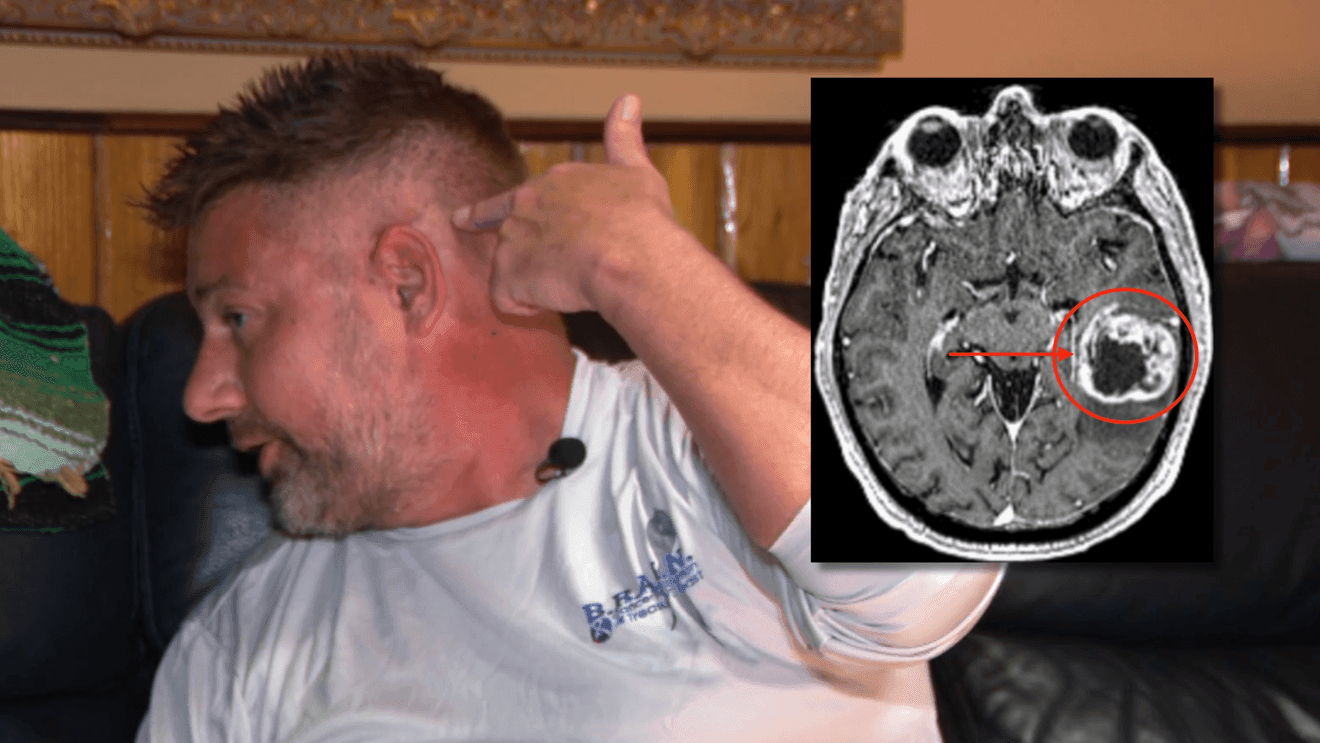
ST. LUCIE COUNTY, Fla. (CBS12) — Florida health officials notified CBS12 News on Thursday that an updated Treasure Coast brain cancer review is available, finding no statistically significant excess of glioblastoma in the areas examined.
The findings come as the CBS12 News I-Team continues pressing the Florida Department of Health for updated data and answers about which brain tumors are counted. CBS12 News has covered families’ concerns for well over a decade.
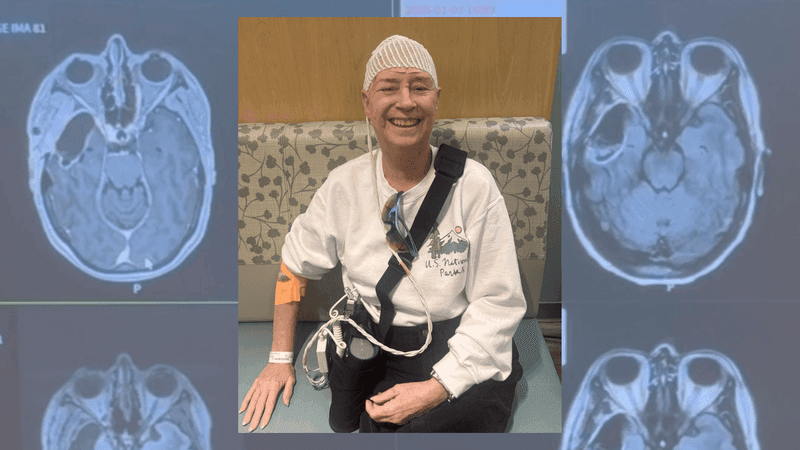
From her backyard in Port St. Lucie, Laura Cooper can point across a canal to another family touched by the same devastating disease. “You can see my backyard, and this little boy’s backyard across the canal — he got it. He got the glioblastoma,” Cooper said. (WPEC)
The analysis covers diagnoses through 2023, leaving more recent cases outside its scope. It also documents a change in the tumor classifications included compared with the state’s 2019 review.
In an email Thursday, St. Lucie County Health Officer Clint Sperber directed the I-Team to the report, accompanying resources and a scientific journal article addressing environmental risk factors.
“I am hopeful that, after reviewing the website and the available documents, you will find reassurance in the thorough work conducted by our public health scientists,” Sperber wrote.
What the state found
The updated assessment examined glioblastoma diagnoses from 2014 through 2023 in St. Lucie, Martin and Indian River counties, along with three St. Lucie County ZIP codes.
Officials compared recorded diagnoses with the number expected based on statewide cancer rates, accounting for age.
In St. Lucie County, the state recorded 95 diagnoses from 2019 through 2023, compared with approximately 92 expected.
Across the full decade, the ZIP code analysis found:
34952: 32 diagnoses, compared with approximately 26 expected.34983: 21 diagnoses, compared with approximately 20 expected.34982: 12 diagnoses, compared with approximately 13 expected.
None showed a statistically significant excess. Officials said small case numbers can fluctuate by chance, while population growth can increase the number of diagnoses without an increase in underlying risk.
ST. LUCIE CANCER ASSESSMENT – SUPPLEMENT 2026PDF previewPreview PDF
The report does not determine what caused individual patients’ cancers.
Questions beyond glioblastoma
In June and October, I-Team reporter Katie Bente revisited families’ concerns, interviewing patients and traveling through neighborhoods with Stephanie Ankiel, who helps families through the Brain Cancer Foundation of the Treasure Coast.

For Stephanie Ankiel, one stop on the drive through Fort Pierce brings the questions back to her own family. She pointed to her late husband’s childhood home, then another home a few houses away where she said a resident was diagnosed in 2025 with the same type of brain tumor. (WPEC)
She pointed to her late husband’s childhood home in Fort Pierce and another home a few houses away where she said a resident received the same initial diagnosis in 2025: oligodendroglioma.
Ankiel previously told CBS12 News that her husband, Mark Cunningham, was initially diagnosed with oligodendroglioma and that his cancer was later described as glioblastoma. He died in 2019 at 35.
The I-Team asked health officials how their analysis handles changing diagnoses and whether other brain cancers were examined separately. Those points were not explained in the department’s response before the report’s release.
The updated report shows two tumor classification codes included in the 2019 analysis — 9450 and 9451 — were excluded from the new review. The department said evolving cancer classifications mean those codes are no longer included in the glioblastoma case definition.
The report does not explain how cases initially classified as another tumor type and later described as glioblastoma are handled.
Recent diagnoses fall outside the review
The assessment does not include diagnoses from 2024 through 2026. An accompanying FAQ says 2023 was the latest finalized cancer registry year available. Officials said the reporting delay allows records to be checked for completeness and accuracy.
That means the review does not capture diagnoses such as Laura Cooper’s. The Port St. Lucie woman told CBS12 News in June that she was diagnosed with glioblastoma in November 2025, years after losing her best friend to the disease. At the time of the interview, she was undergoing treatment and participating in a clinical trial.
Environmental records reviewed
Health officials reviewed public drinking-water records, available private-well data and radiation monitoring around the St. Lucie nuclear power plant.
The department reported that its water review did not identify contamination involving chemicals linked by the Environmental Protection Agency to glioblastoma or other brain-related health concerns. It also reported no increase in monitored environmental radiation levels around the plant.
The documents describe reviews of existing records and monitoring data. They do not specify whether new environmental samples were collected specifically for this assessment.
In Thursday’s email, Sperber highlighted the department’s conclusion that no environmental hazard in the Treasure Coast region has been shown to cause glioblastoma.
The report also acknowledges limits to the cancer registry: It lacks environmental exposure information and complete residential histories. A patient’s address at diagnosis may not reflect where a relevant exposure occurred.
The department said it will continue monitoring cancer incidence and working with state and local partners.