
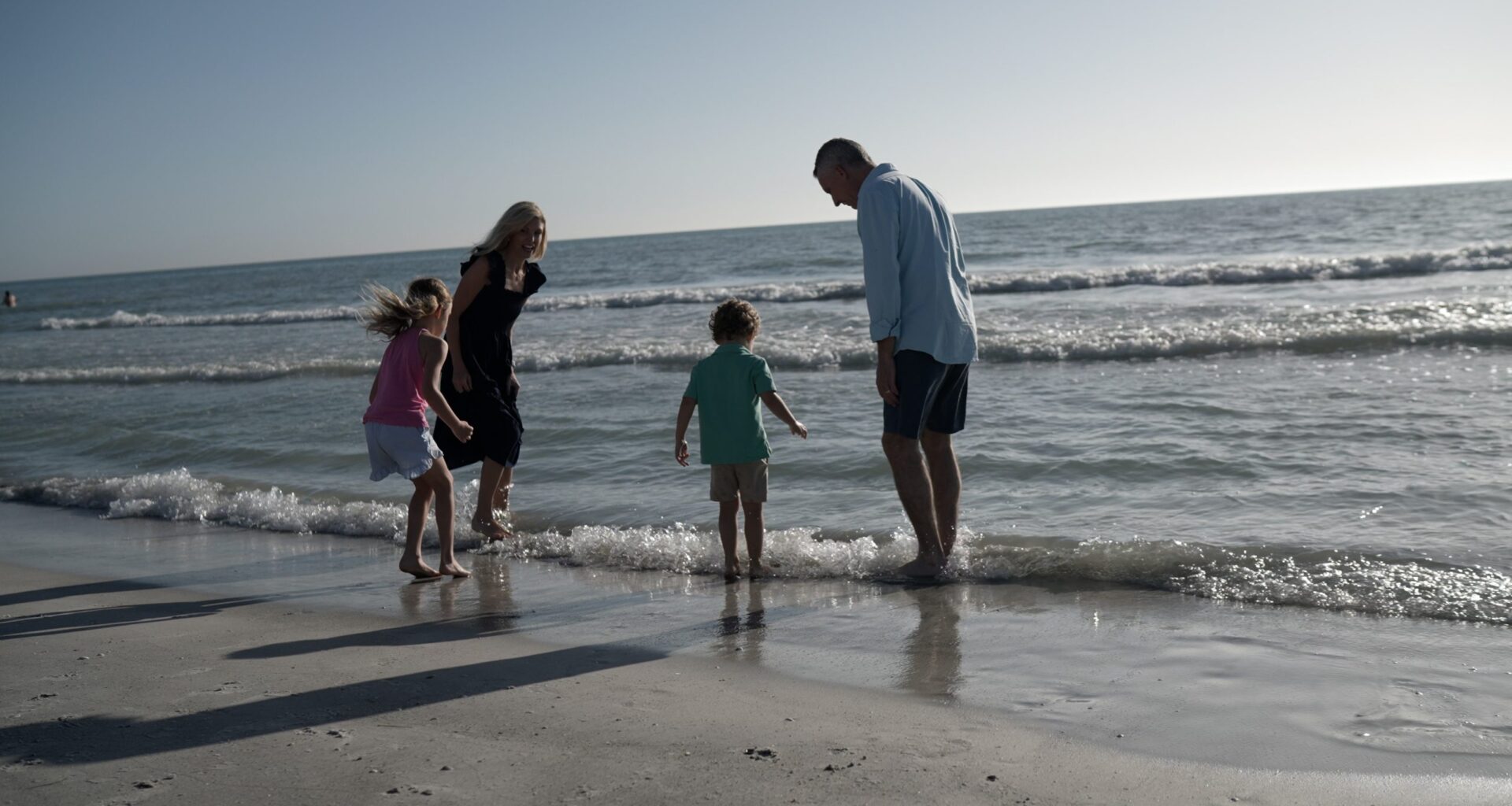
Why Florida’s race for governor matters to Washington’s coastlines, homeowners and environmental future.
Ed.: The essays, analyses and opinions presented as Community Voices express the perspectives of their authors on topics of interest and importance to the community and are not intended to reflect perspectives on behalf of Salish Current.
Florida’s gubernatorial election pits Democrat David Jolly, a former Republican congressman, against Republican Byron Donalds, a congressman endorsed by President Donald Trump. Their contest carries implications beyond Florida’s borders.
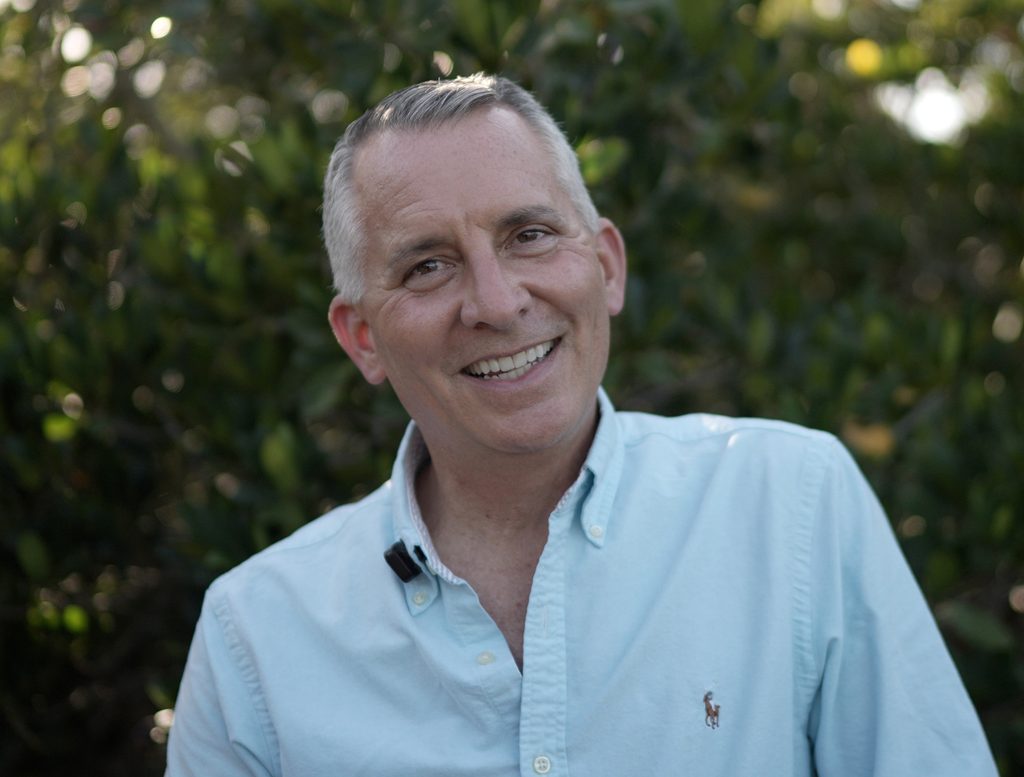 David Jolly (courtesy photo)
Governors influence state environmental agencies, disaster preparedness, insurance oversight and public spending. But their influence also extends to Washington, D.C., where alliances among governors can elevate shared priorities, advocate for federal funding and shape national policy debates.
For Washington state, that makes political alignment consequential. A Jolly administration could offer Washington’s leadership a potential partner on coastal conservation, climate resilience and disaster-related insurance challenges. Such cooperation would not guarantee policy victories, but it could strengthen the collective voice of states facing similar environmental and economic pressures.
Jolly’s campaign also raises a broader political question: Can a former Republican congressman build a coalition across party lines in a state that has become central to national conservative politics? The outcome may offer insights into the country’s political direction ahead of the 2028 presidential election.
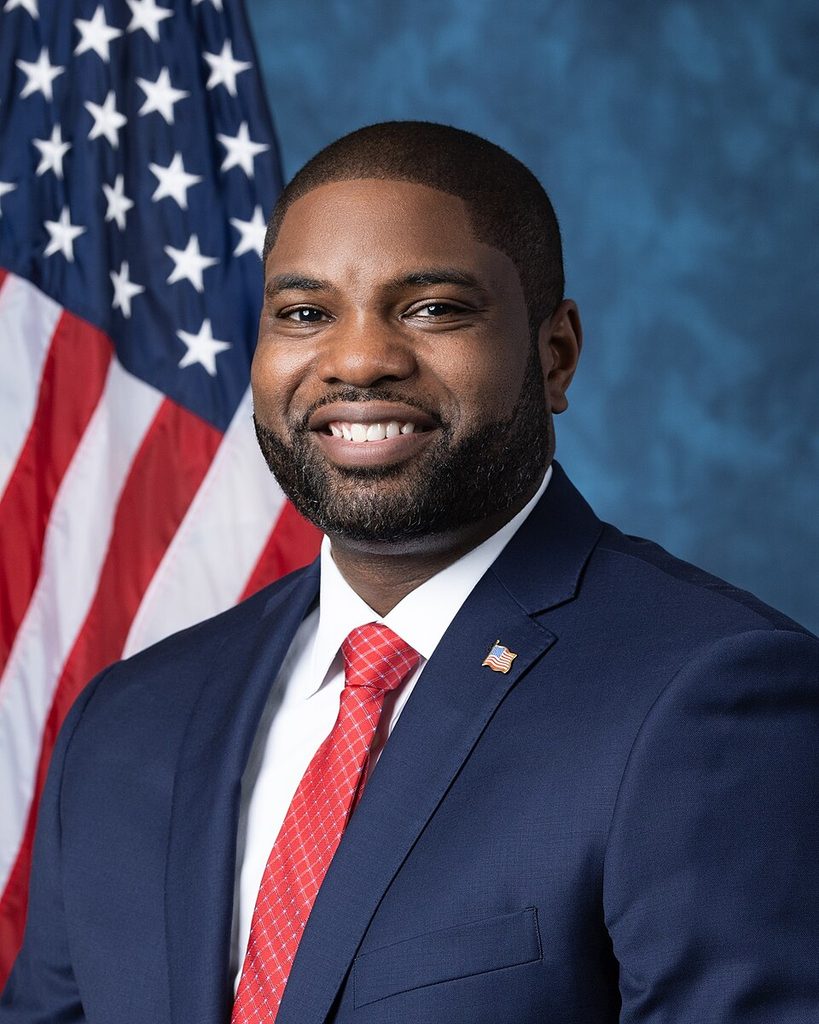 Byron Donalds (courtesy photo)
For communities along the Salish Sea, however, the most immediate stakes are closer to home.
Florida and Washington occupy opposite corners of the country, separated by nearly 3,000 miles and landscapes that could hardly be more different. One is known for its palm-lined beaches, mangrove forests and hurricane-battered coastlines; the other for its towering evergreens, rocky shores and cold inland sea.
Yet both states face a difficult question: How do we protect the places we call home when environmental risks are growing and the cost of responding to them keeps rising?
Florida’s insurance warning
For many Florida homeowners, the financial consequences of living in a disaster-prone state are no longer measured only in the aftermath of a hurricane. They arrive annually, in the form of insurance bills.
According to Florida’s Office of Insurance Regulation, the average annual homeowners premium including wind coverage was $6,136 in Broward County as of March 2026, compared with $2,525 in inland Alachua County. In the Florida Keys’ Monroe County, the average reached $7,863.
These figures reflect more than hurricane exposure alone. Property values, construction costs, insurance market conditions and the characteristics of insured homes all influence premiums. Florida has also experienced some improvement: average premiums declined in 51 of its 67 counties between September 2025 and March 2026.
Nevertheless, the financial pressures that brought Florida’s insurance problems to national attention have not disappeared.
Washington’s insurance market is different, but warning signs are emerging.
In February 2026, Washington Insurance Commissioner Patty Kuderer reported that the number of homeowners whose policies had been canceled or not renewed had more than doubled since 2021, increasing from 11,763 to 24,106. Some of those decisions involved wildfire risk scores used by insurers to assess properties.
These figures do not mean Washington is experiencing Florida’s insurance crisis. But they raise concerns about the availability and affordability of coverage as environmental risks change.
For residents of the San Juan Islands, where homes may be surrounded by forests and rebuilding can involve substantial transportation and labor costs, the stakes are particularly tangible. A homeowner may discover only after a disaster that insurance coverage falls short of the actual cost of rebuilding.
And while wildfire dominates much of Washington’s insurance discussion, flooding presents another challenge. Standard homeowners policies generally exclude flood damage, requiring separate coverage.
Florida’s experience raises a question Washington would be wise to confront early: What happens when the cost of insuring a home begins to threaten the affordability of living in a community?
Two coastlines, shared environmental interests
Florida’s mangrove-lined estuaries and Washington’s eelgrass meadows may look nothing alike, but both provide essential habitat for fish and shellfish, help protect shorelines and support economies tied to the water.
For the San Juan Islands, the health of the Salish Sea is inseparable from the region’s ecological and economic future. The same relationship exists along Florida’s coastline, where fishing, boating, aquaculture and tourism depend on healthy marine environments.
Both states also depend on federal partnerships to protect those resources.
The Puget Sound Partnership has budgeted $40.1 million in federal Environmental Protection Agency funding for the 2025–27 biennium, representing approximately two-thirds of its operating budget. That money supports the broader work of restoring and protecting Puget Sound.
The relationship between state leadership and federal conservation policy is especially clear in the EPA’s National Estuary Program. Governors have a formal role in nominating estuaries for federal recognition. In March 2026, the EPA invited Florida’s governor to submit information supporting the designation of Pensacola and Perdido Bays as an estuary of national significance. Such programs demonstrate that coastal protection is not solely a local concern. Federal funding and state participation help determine which ecosystems receive sustained attention and resources.
And environmental protection is not simply a matter of preserving scenery. Healthy wetlands and estuaries provide natural defenses against flooding and erosion, support commercial fisheries, and help sustain local economies.
For Washington, another large coastal state advocating for these shared interests could be a valuable partner. But that cooperation depends on political priorities, not geography alone.
Offshore drilling and the limits of state power
Supporters of expanded drilling emphasize domestic energy production, jobs and government revenue. Opponents point to the risks of oil spills, damage to marine ecosystems and the climate consequences of continued fossil fuel development.
Governors cannot independently approve or veto federal offshore leasing. But states have a meaningful role in reviewing certain federal activities that may affect their coastal resources.
Washington was the first state to receive federal approval for a Coastal Zone Management Program in 1976. Under that framework, the state can review certain federal permits and activities for consistency with its enforceable coastal policies.
Florida has its own coastal management program, giving its leadership opportunities to participate in federal decisions affecting the state’s waters and shorelines.
The policy choices made by Florida’s next administration will help determine how it exercises those powers and whether it joins other coastal states in advocating for common environmental priorities.
Different shores, a shared future
Florida’s hurricanes are not Washington’s wildfires. Its mangrove forests are not our eelgrass beds. But the underlying challenges are increasingly familiar: protecting homes from environmental hazards, keeping insurance affordable, and safeguarding the ecosystems on which coastal communities depend.
Florida’s next governor will not determine Washington’s environmental future. But the election could determine whether another major coastal state becomes a partner in confronting those challenges.
Separated by thousands of miles, our coastlines are nevertheless connected by the national policies that shape their future. And the more states that speak with a common voice, the harder that voice becomes to ignore.
—By Ayn Gailey
Ed.: Julia van Dongen, an Orcas Islander working on David Jolly’s gubernatorial campaign, contributed research and fact-checking to this commentary. The analysis and conclusions are independently those of the author.
Ayn Gailey is a writer and arts and environmental advocate living on Orcas Island.