
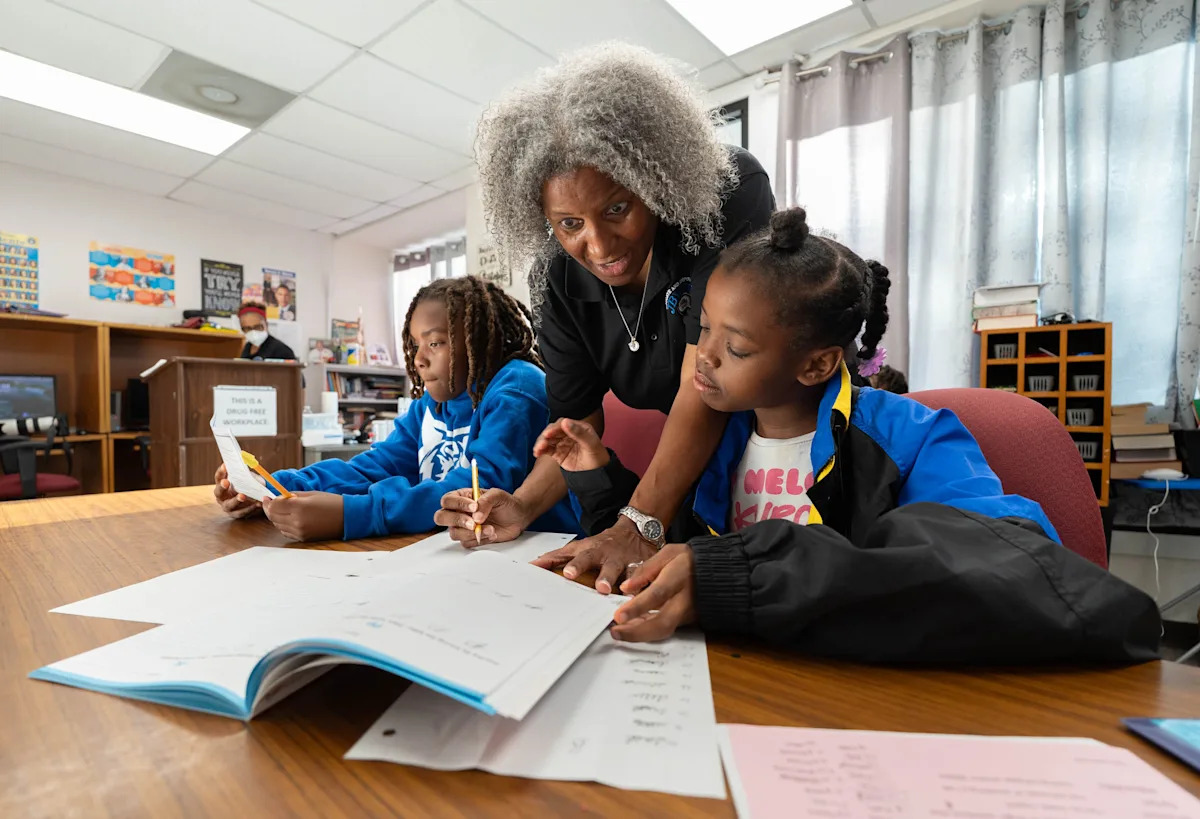
Elementary school kids might be required once again to learn how to read and write in cursive.
A pair of bills (HB 127 and SB 444) filed for the 2026 Legislative Session would mandate students from second grade to fifth grade to not only write in cursive but also be able to read and comprehend the flowing script.
Instruction hasn’t been required under law since 2010 and currently cursive comprehension isn’t taught in schools. But House bill co-sponsor Rep. Toby Overdorf, R-Palm City, thinks it’s time to revive the writing style.
“Being able to read our history, whether it be the Declaration of Independence or the U.S. Constitution or a letter from a grandparent, being able to see history is critically important, and not look at it like it’s code and some kind of ancient Sanskrit,” Overdorf said.
Students would learn “letter formation,” “proper spacing and alignment,” and “writing complete words and sentences,” and have to demonstrate their reading and writing proficiency in fifth grade, according to the legislation.
Overdorf said cursive writing can help with hand-eye coordination and has also been proven as a tool in dyslexia therapy.
“Having that ability to sign your own name and have your own signature on a lease, on a mortgage, on a job application, all of these things are so critical for young and older adults alike,” Overdorf said.
Readin’, writin’ and cursive, but how to judge proficiency?
The identical bills in both the House, sponsored by Overdorf and Rep. Dana Trabulsy, R-Fort Pierce, and Senate, sponsored by Sen. Erin Grall, R-Fort Pierce, do not describe how students will have to demonstrate their proficiency.
They do say that they will be expected to have the “ability to read and apply cursive writing in a manner that supports literacy development, including writing essays and assignments in cursive writing in accordance with state academic standards.”
While some schools still teach cursive, the requirement that students must read and comprehend it isn’t in state law. It hasn’t been mandatory since 2010, when the state adopted Common Core Standards.
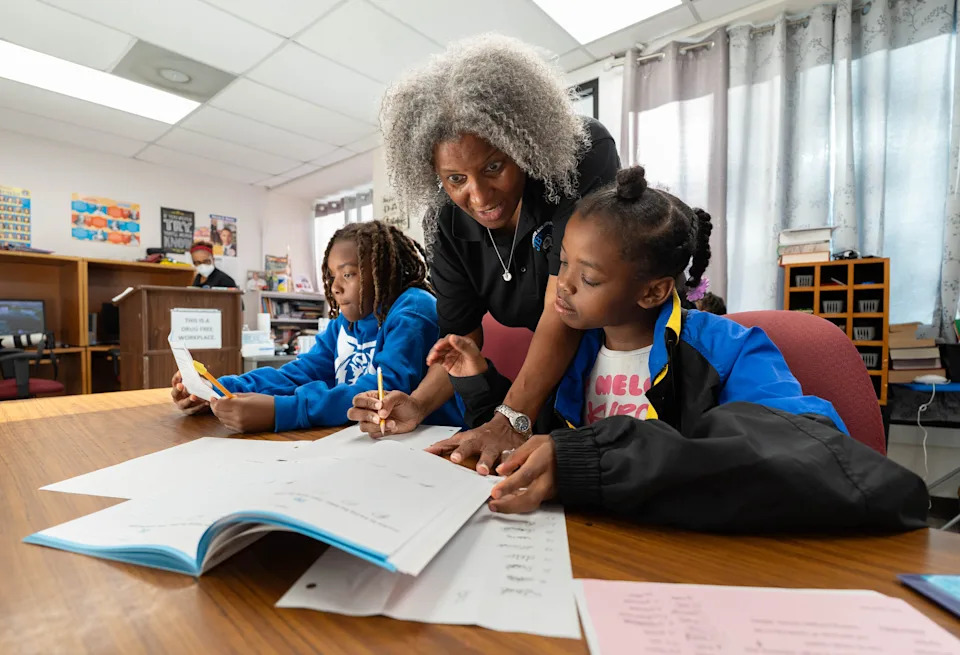
From left, Ayden Royster, 10, Shelia Washington, and Jakayla McCastle, 10, practice cursive writing at the James B. Washington Education and Sports (JBWES) program in Pensacola on Oct. 7, 2025.
In 2014, the State Board of Education brought cursive instruction back and made it a requirement for English language arts instruction for third to fifth graders. But that’s an agency rule, which doesn’t carry the same force of a law.
Currently, third graders learn how to write all lower- and upper-case letters in cursive; fourth graders learn how to write legible cursive; and fifth graders will learn how to write in cursive at the same speed they write in print.
This is the second year Overdorf and Grall have attempted to file this bill. During the 2025 legislative session, the bill died in a Senate Rules committee. The House version of the bill will be heard in the Student Academic Success Subcommittee on Nov. 18.
Ana Goñi-Lessan, state watchdog reporter for the USA TODAY Network – Florida, can be reached at agonilessan@usatodayco.com.
This article originally appeared on Tallahassee Democrat: Florida school kids will have to learn cursive if this bill passes