
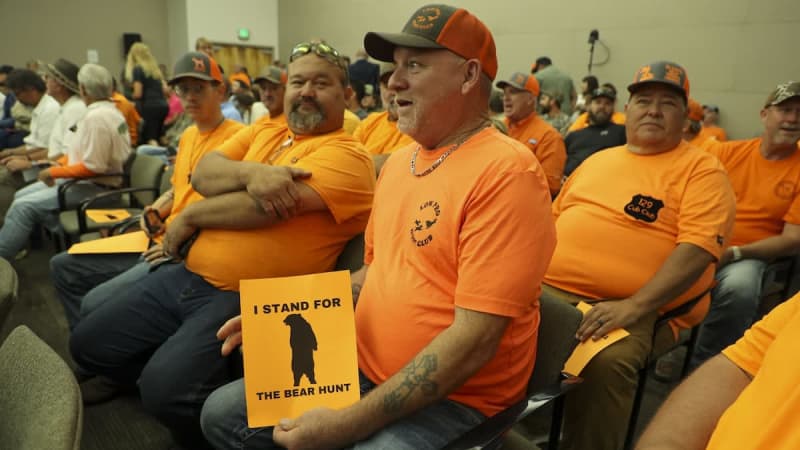
The Sierra Club believes that the management of Florida’s wildlife should be based on scientific research and data. Hunting should be authorized only when it is necessary to maintain a healthy, viable population of the targeted animal species. That is why we support hunting for animals such as white-tailed deer, alligators and feral hogs. When population data indicates an animal species need human intervention to ensure a healthy and viable population, we consider hunting as one of the management tools necessary to aid in managing their populations and protecting their habitat.
The values embedded in the Florida Fish and Wildlife Conservation Commission and expressed in their mission and vision are to make quality decisions by being science-informed, efficient, ethical, collaborative and committed to the vitality of the state and its environment.
But in the case of authorizing a black bear hunt, the FWC commissioners are basing their decision on old and outdated 2015 population estimates, and extrapolations of population growth based on this outdated 10-year-old population data.
The FWC staff is in the process of updating their population studies for the various regions of the black bear population in Florida. They have recently released the results of the population estimates for the Osceola region and it shows that the estimates that they were using to set the bear hunt quota in that region were drastically incorrect. During the discussion leading up to the approval of the bear hunt the FWC stated that the bear population in the Osceola region had increased by 92% to an estimated population of 500 black bears. The survey results released in 2025 actually show that the bear population in the Osceola region had a significant decline and they estimate the population in this region at 307. The 2025 estimate is 40% less that what was presented to justify the bear hunt and setting the number of bears to be killed.
Sierra Club and other conservation organizations have been stating that basing the decision to open up an area to bear hunting on old population estimates is inconsistent with FCW stated vision and mission to base decision on science-informed data and FCW commitment to the state and its environment.
The FWC is currently conducting a black bear survey of the Apalachicola region, and we believe that the survey will also show a significant difference from the old and outdated population and extrapolation based on the 2015 data. We also believe that until a survey is done for all areas proposed for hunting, based on old data — not a well-informed scientific decision — it is just someone’s guesstimate.
We see the Osceola population survey confirming what we have been saying: That the decision to implement a hunt and the number of bears to be taken in each region was based on bad data. Until data is completed for all regions, FWC should halt the hunt and reassess the number of bears to be taken as scientifically justified to sustain a healthy population,
The Sierra Club opposes the ongoing consideration of a bear hunt by FWC and does not support any future proposal until sufficient scientifically valid biological information is provided and that hunting is necessary to protect a healthy black bear population in Florida. Gov. Ron DeSantis, where do you stand on relying on science to manage Florida black bears population? The FWC does not have reliable data on what the bear population is in Florida. Tell the FWC commissioners to update the bear population study before considering a hunt to manage the black bear population.
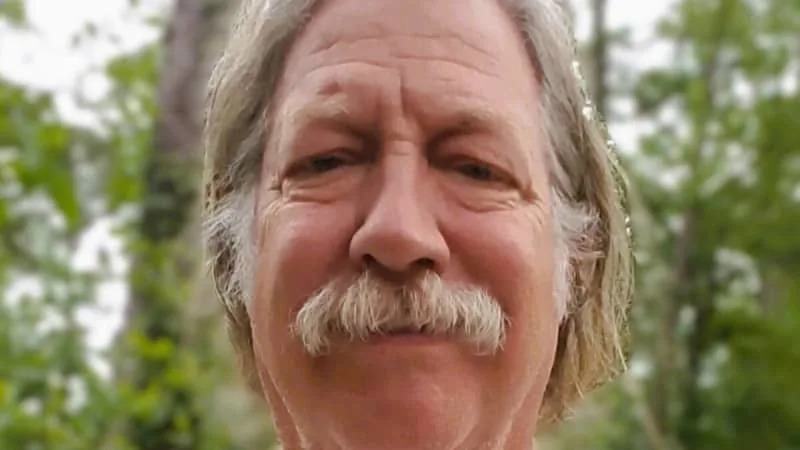
Grant Gelhardt is chair of the conservation committee at Florida Sierra Club.