
ORLANDO, Fla. — The longest government shutdown in history is now over, but after 43 days on pause, things may not return to business-as-usual right away, as some federal workers are still awaiting back pay and air travel disruptions are expected to linger.
What You Need To Know
The government shutdown ended last week, but the effects are still lingering
Leaders with an aviation union say some employees have only gotten partial payments so far
Throughout the shutdown, 211 Heart of Florida United Way fielded almost 500 inquiries for assistance
211 experts are available 24/7 via phone, text, or online chat, and they can help callers get connected with comprehensive resources for assistance
“It’s just a lot of strain on everyone to deal with the backside of a shutdown like this,” said Douglas Lowe, the regional vice president for the Professional Aviation Safety Specialists – a union that represents about 11,000 employees of the Federal Aviation Administration.
From technical operations for air traffic control to aviation safety inspectors, Lowe says some employees have only gotten partial payments so far.
“There’s still quite a few folks that are having issues recovering after this because they’ve only at this point received partial payment,” he said. “We had several people … both spouses were federal employees. So, they were at zero income during this whole ordeal.”
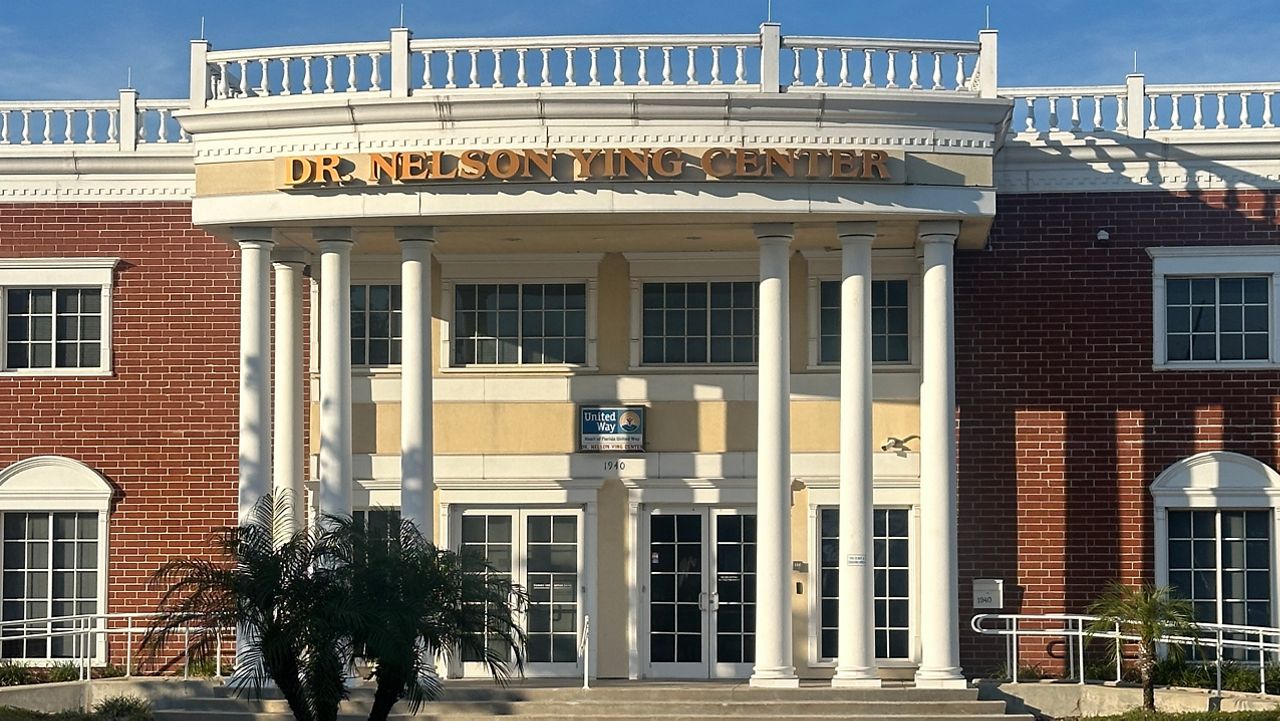
Catherine Rea is the vice president of the 211 Heart of Florida United Way, a service that’s available as a confidential helpline that connects people in Central Florida to a variety of services.
She said that when the federal shutdown started, they began tracking the calls for assistance that were tied to it.
“People, especially through the last six weeks, have for the first time possibly experienced financial desperation that they’ve never had to experience before,” Rea said.
From Oct. 1 through Friday, Nov. 14, they fielded almost 500 inquiries for assistance due to the federal government shutdown, with the biggest concern from callers being about food assistance, where they saw a 114% increase in demand.
“That takes a real toll on individuals and family members and their loved ones, too. And having to decide, well, do I pay my rent, or do I pay my electric, do I feed my family first? It’s a real dilemma,” Rea said.
211 experts are available 24/7 via phone, text or online chat, where experts help callers get connected with comprehensive resources for assistance with needs like housing, food, utilities, health programs, and crisis support.
Although they can’t guarantee that people will qualify for the program or services that they’re referred to, Rea said they are the best bet to try because they have the largest database of available services in the community, working with over 3,000 organizations.
Rea says last year, 211 answered over 240,000 calls, as they see the need all year-round, not only during times like the government shutdown.
They anticipate the effects from the shutdown will continue to be seen in the upcoming months, not only for those impacted but also for the local organizations and providers that have stepped up to help.
“There is going to be, I think, a residual effect from the shutdown. People had to maybe use their savings accounts in order to live these last six weeks,” she said.
In the meantime, Lowe says they are working with union members to guide them on the steps to follow as they go through what he calls the “backside” of the shutdown.
“We’re advising folks to print off what’s called their leave and earnings statement. Keep a copy of that and reconcile that over the next several months to ensure that, one, they were paid what they were owed and, two, if they were overpaid, that they don’t spend that money so that they can pay it back,” Lowe said.
In addition to the 211 line, there are other places to turn to. One of them is the Orange County Crisis Assistance Program, a limited financial assistance program for Orange County residents.
According to the Citizen Resource and Outreach Division, the program received four calls from Orange County residents who lost SNAP benefits due to the government shutdown.
They also received 16 calls from Orange County residents who were furloughed due to the federal government shutdown.