
Experts say the factors driving that trend are hitting the Tampa Bay region especially hard.
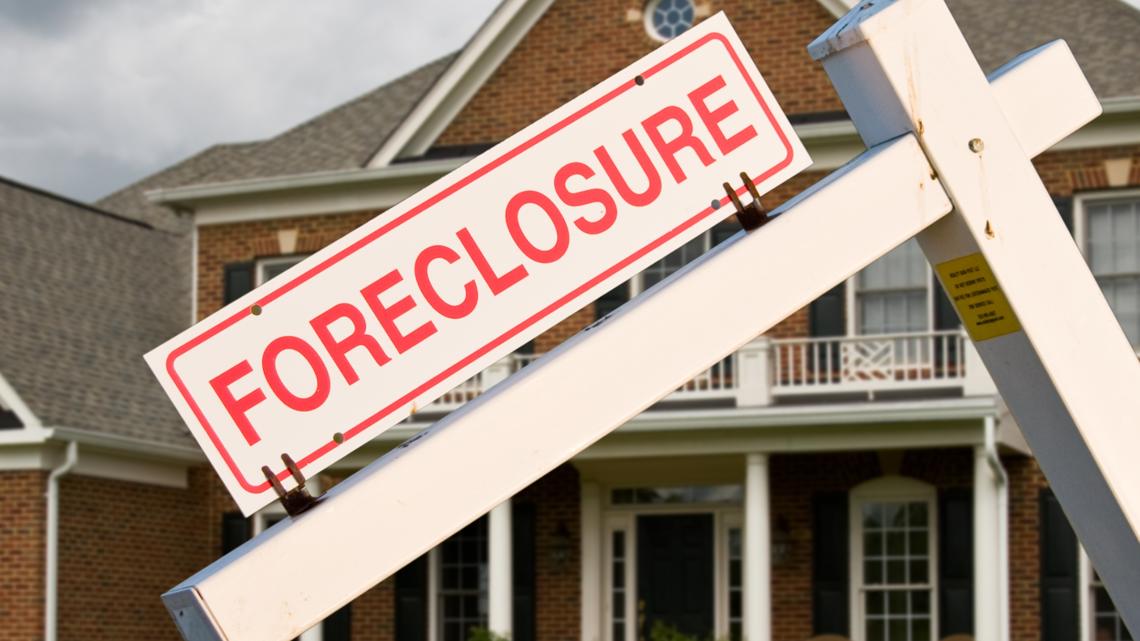
TAMPA, Fla. — Tampa now finds itself at the center of the nation’s foreclosure surge, leading all major metro areas in October with one in every 1,373 homes receiving a filing, according to new data from ATTOM, a national property analytics firm.
Florida posted the highest foreclosure rate in the country, and experts say the factors driving that trend are hitting the Tampa Bay region especially hard.
Real estate analysts point to the frenzied 2020–2023 housing boom as a key contributor.
Many families who bought during those peak pricing years are now discovering that their property isn’t worth much more than they paid — and in some cases, less.
“Tampa’s market is experiencing a pullback,” said Cristan Fadal, a Tampa real estate broker. “People who bought two or three years ago and now need to sell are running into difficulty getting out at breakeven. Some are facing foreclosure or short-sale situations.”
Fadal said rising “carrying costs” are compounding the strain.
“All of these other costs have escalated — HOA fees, insurance, interest rates — and that makes ownership more difficult,” he said.
While he stressed that the region is not heading toward a crash, he called the current trend a return “back to baseline” after years of unusually low foreclosure numbers.
Economists say those increases are hitting one group particularly hard: retirees and people living on fixed incomes.
“Any time prices go up but income stays the same, it eats into purchasing power,” said Michael Snipes, a professor of economics at the University of South Florida. “Here in Tampa Bay, we have a large population on fixed incomes. Rising housing prices, rising HOA fees, rising insurance — all of that makes it harder to maintain affordable housing.”
Snipes said that combination is a big reason the region is leading the state — and the state is leading the nation — in foreclosure activity.
Economic analyst Javier David urged anyone who is struggling not to avoid their lender.
“When you’re behind, contact your bank or mortgage servicer,” he said. “They have forgiveness and grace programs for hardship cases, even if it’s temporary.”
The new numbers come as Tampa also leads the country in canceled real estate contracts. A recent Redfin report shows 20% of pending home sales in the region fell through in September — the highest rate among major U.S. metros — a sign, analysts say, of growing buyer caution as costs and interest rates rise.
Despite the increase, ATTOM analysts say the data does not point to a housing collapse. They describe the rise in foreclosures as a gradual normalization as the market corrects from the pandemic-era boom.
Still, with the cost of everyday necessities rising and home values flattening, experts warn that financially stretched homeowners should take action early.
“There’s no crash on the horizon,” Fadal said. “But for people who can’t pay — the foreclosure process will continue.”