
TAMPA, Fla. – Advocates say a silent crisis is unfolding as many foster children find themselves without legal representation, leaving them vulnerable and often overlooked. Florida is one of 13 states that does not guarantee an attorney for foster children, a situation that advocates argue leaves some of the most vulnerable children voiceless and at risk of falling through the cracks.

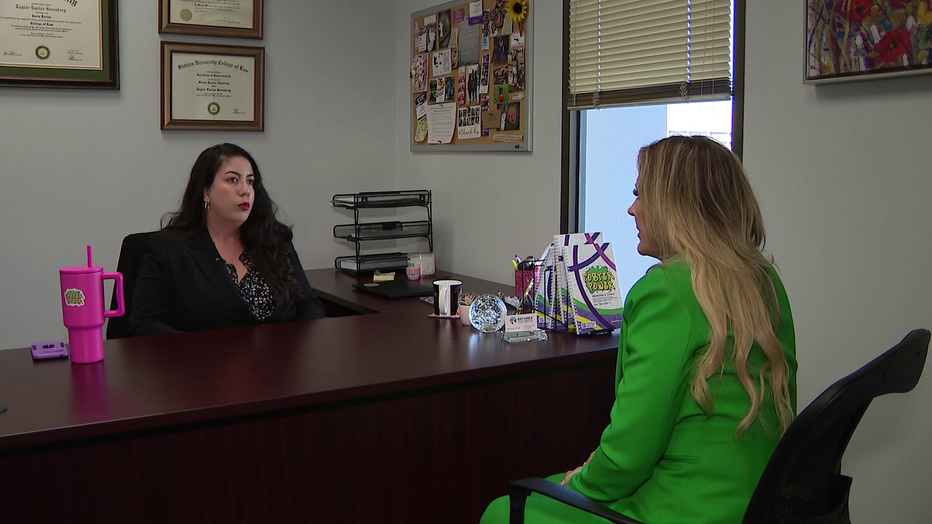
Taylor Sartor, an attorney at Bay Area Legal Services in Tampa, is at the forefront of the fight for these children. “We definitely need more lawyers for kids. Kids have better outcomes when they have an attorney and they have a voice,” Sartor explains. Her work highlights the critical need for legal advocates who can assess situations through a legal lens and strategically work to achieve the children’s goals.
Despite bipartisan efforts to introduce legislation at the state level to guarantee legal representation for foster children, these initiatives have repeatedly failed. The gap in the system can have devastating consequences, pushing children into the school-to-prison pipeline or making them vulnerable to human trafficking.
Dig deeper:
Research and data consistently show that group home care results in poor outcomes for children. Yet, Florida and other states continue to rely on this model. Sartor advocates for reducing group care and bringing children back to family settings, which would significantly improve their outcomes.

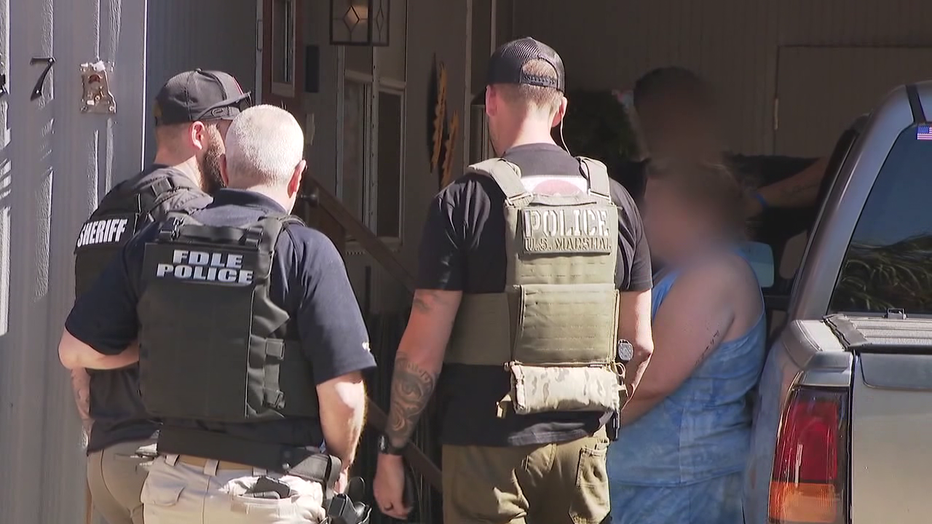
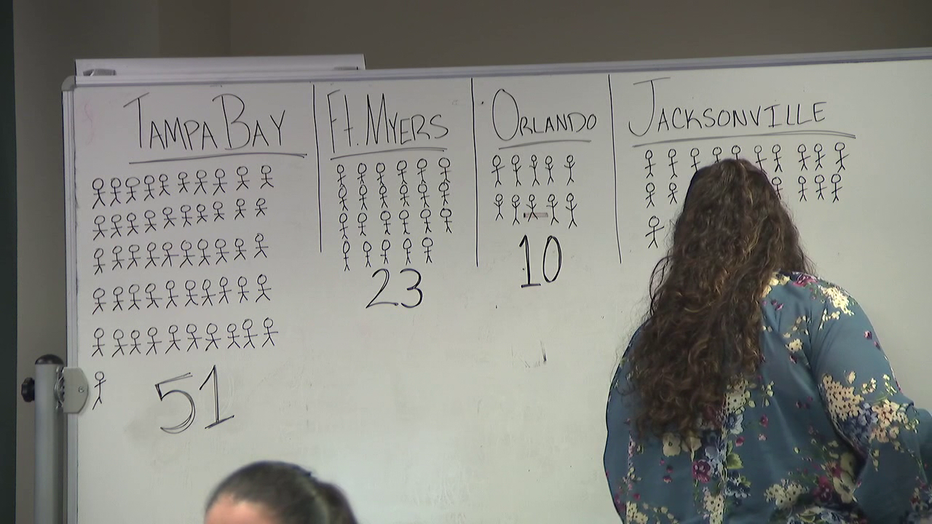
The risks associated with group homes are evident. During a ride-along with the U.S. Marshals searching for missing children, 41 of the children were from foster care group homes or had contact with the Department of Children and Families (DCF). Children in group homes are at a higher risk of becoming victims of human trafficking, as traffickers target those without caregivers watching over them.
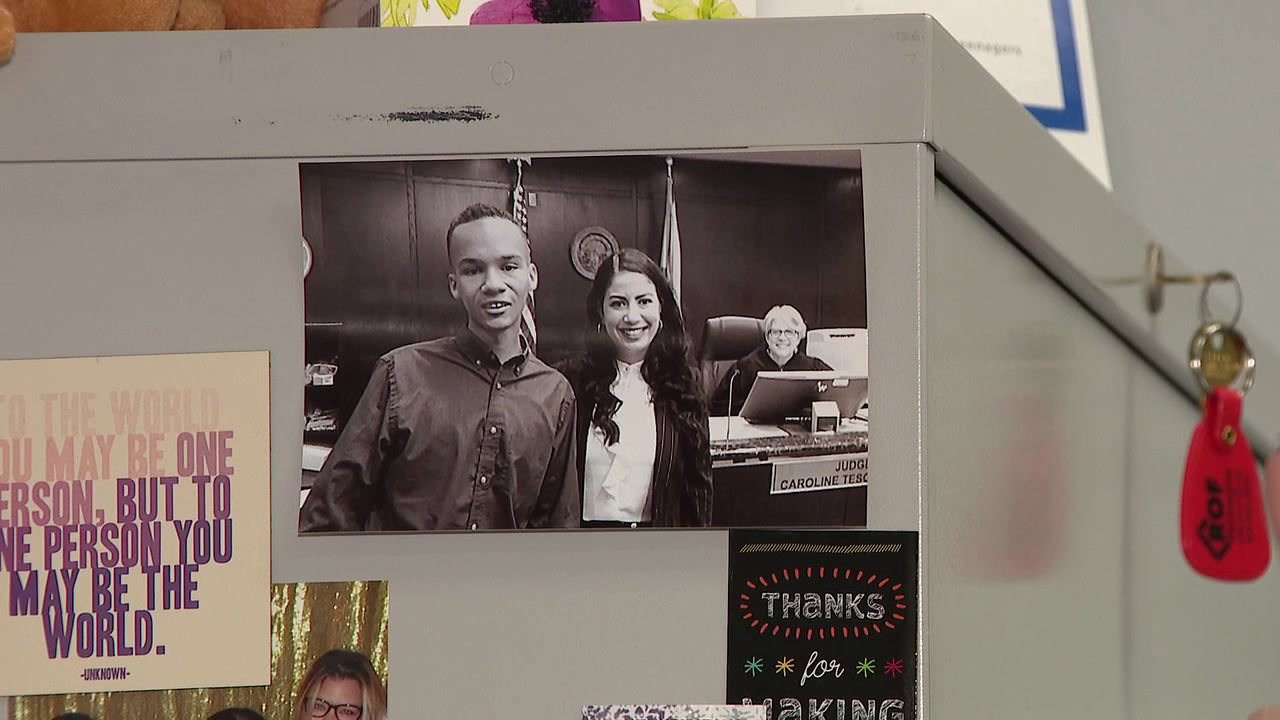
Sartor’s office walls are adorned with success stories, a testament to the power of legal representation. One notable case involved a 10-year-old client whose parents were at risk of losing their parental rights despite having turned their lives around. Sartor fought tirelessly for the child, who was suffering in foster care and wanted desperately to return to his parents. Eventually, the state dropped the order to terminate parental rights, and the family was reunited.
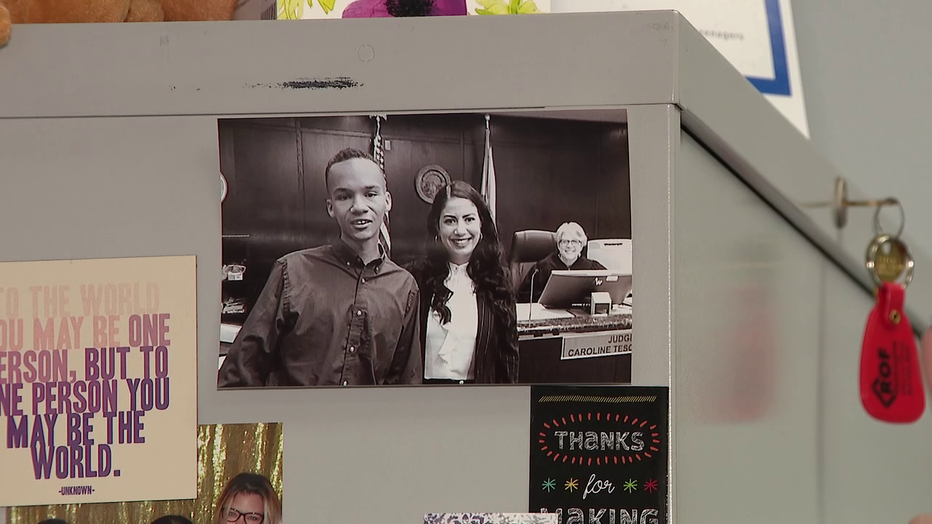
Without an attorney, this reunion might never have happened. Sartor notes, “Without an attorney to fight for that, it wouldn’t have happened. And truthfully, without attorneys to fight him to go, he probably never would have gone home. He probably would still be in foster care and could have aged out of foster care at 18.”
What’s next:
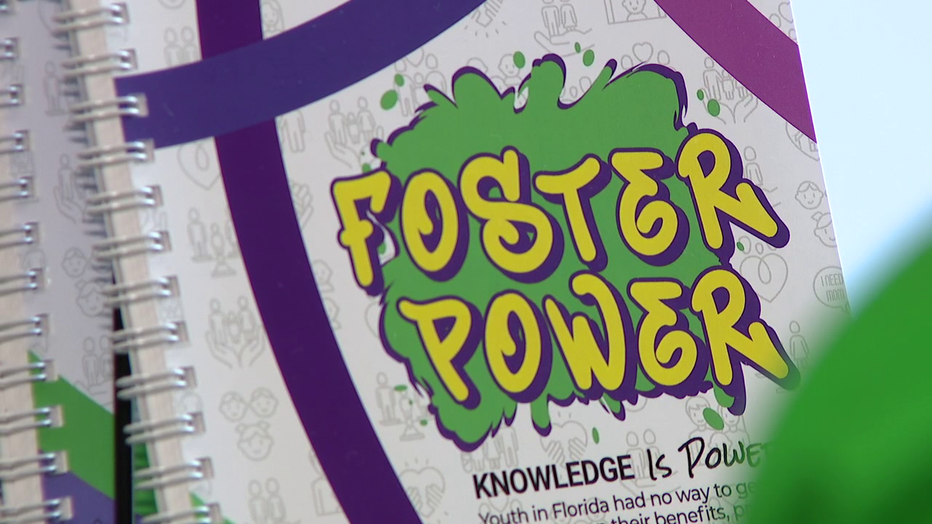
To empower foster children, Sartor created a free app called FosterPower, designed to help them understand their rights and navigate the system. “How many other kids are probably still stuck in this system and there could be somewhere that they could go, and they don’t have an attorney to ask for that,” she reflects.
The urgent need for more attorneys to advocate for foster children is clear, and the positive impact of such representation on their lives cannot be overstated. As this quiet crisis continues, advocates like Sartor remain dedicated to giving these children the voice and support they deserve.
The Source: Interviews with attorney, state data, pervious coverage.