

The future of finance is invisible, globally interconnected and defined by resilience at least, that was the theme at the inaugural Fintech NerdCon Miami conference held Nov. 19–20 at Mana Wynwood. The conference gathered hundreds of high-growth companies, startups and innovators to discuss the current momentum of the fintech industry.
That enthusiasm is fueled by the current regulatory environment. Michele Alt, co-founder and partner at Klaros Group, called it the “Trump 2.0 era,” saying “everybody’s getting in the game” and it’s “a race to the courthouse” for new bank charters. Speakers also cautioned that this period of permissiveness won’t last forever. Ron Karpovich, vice chair of embedded finance and services at JPMorgan Chase, noted that throughout history the banking “party” always stops and starts again. “Rules can change over time, and that can be very impactful to your business,” Karpovich warned.
Given the capital and liability required to operate a chartered bank or a partner bank fintech, the stakes for customer acquisition are high. If a company risks millions just to open its doors, every touchpoint must be flawless, secure and free of the friction that causes customers to abandon the funnel. That need for efficient, low-friction execution is the challenge infrastructure providers are trying to solve.
Spinwheel’s demo illustrated a solution by introducing the Smart Token, which addresses the high dropout rates and liability in traditional consumer debt flows. The company noted that conventional loan applications face a 20% dropout rate at the Social Security Number stage alone. Spinwheel solves this by authenticating a user with only a phone number, a one-time passcode, and their date of birth. This Smart Token then becomes the representation of the user across the entire network, embedded with all the necessary data and API calls. For lenders, this system allows them to get real-time credit card balances, verify debt-to-income (DTI) ratios, and ensure consolidation funds are paid directly to creditors, effectively mitigating the risk of the consumer spending the money elsewhere.
The challenge of establishing a flawless flow doesn’t just rest with startups; major global institutions are also fighting internal inefficiencies. The “Hard-Won Lessons of Getting AI into a Bank” fireside chat revealed that even global banks face a significant operational flow issue when trying to integrate new technology. Santander launched over 80 small AI pilots across various countries, but learned quickly scaling AI requires a single, centralized platform to achieve operational efficiency globally. “We have grown by failing. Doing a small pilot is very easy, but putting something in production or at scale is very hard,” Ignacio Bernal, chief artificial intelligence officer at Santander said. This single platform is now focused on three core use cases: process automation, combining sensor data for productivity, and conversational AI to enhance customer experience.
The conference also discussed what venture capitalists are looking to invest in. “The Stories from the Trenches: VC Edition” panel highlighted that investors are attracted to companies that have not only solved the data and regulatory problems but have built the necessary resilience to survive inevitable market downturns. Successful fintechs of the next decade must be invisible to the user but resilient enough to handle global risk, complex regulatory frameworks, and rapid technological shifts.
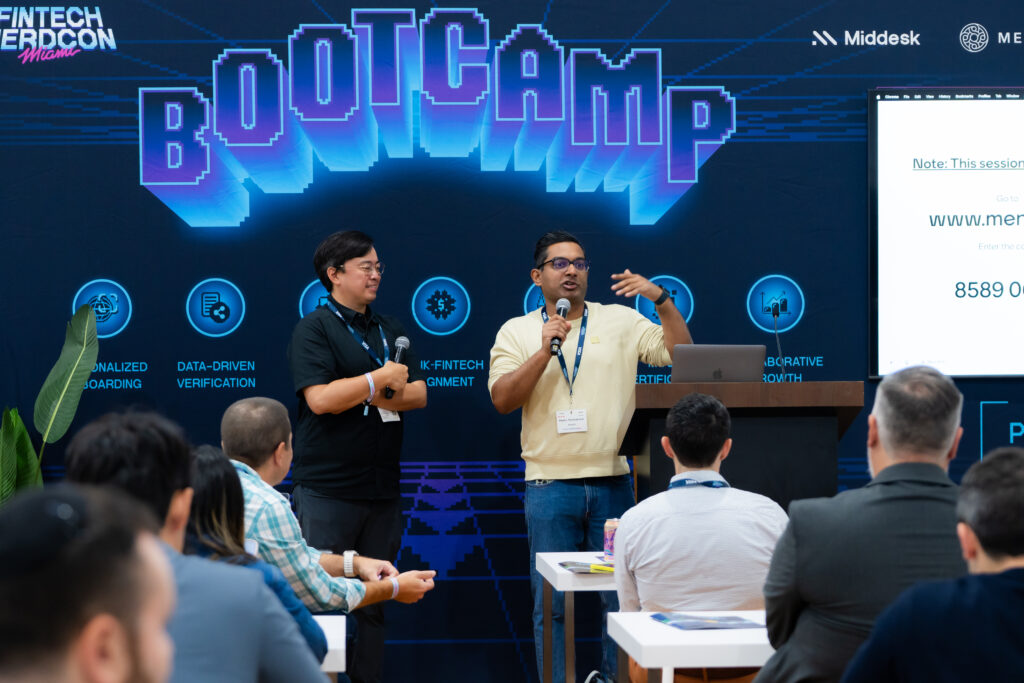
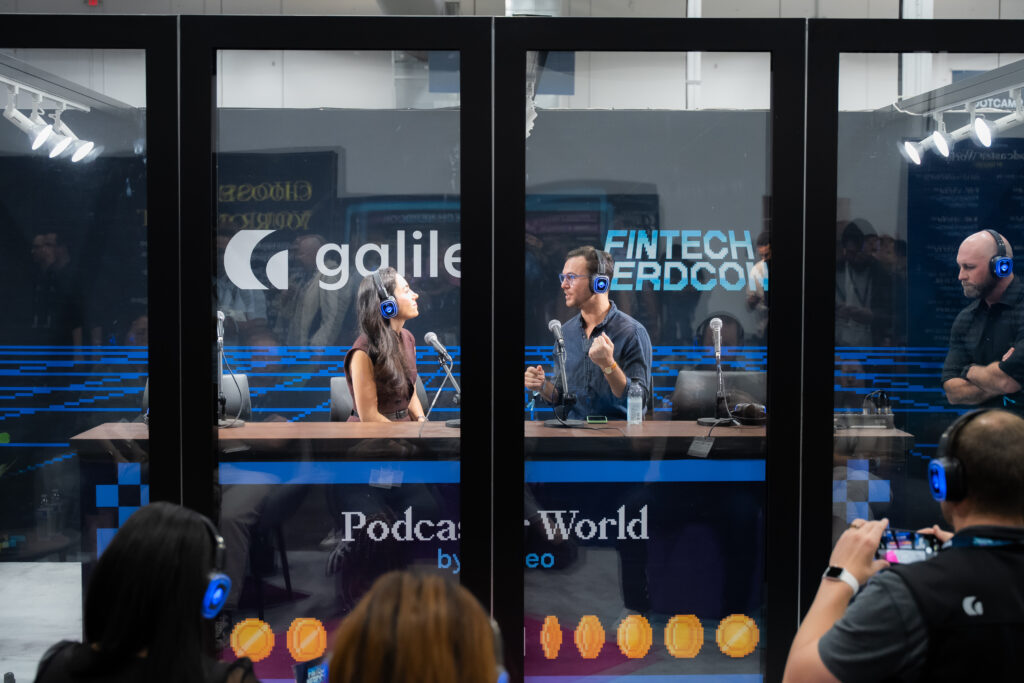
More scenes from Fintech Nerdcon Miami:

READ MORE IN REFRESH MIAMI:
 I am a University of Florida graduate and Miami native who is passionate about writing stories that highlight Miami’s thriving tech ecosystem. I especially enjoy writing stories about technologies creating a social impact, digital assets, and EdTech. Have a story to share? Contact me via Twitter @anathemarketer or
[email protected]. Latest posts by Anayansy Hernandez (see all)