
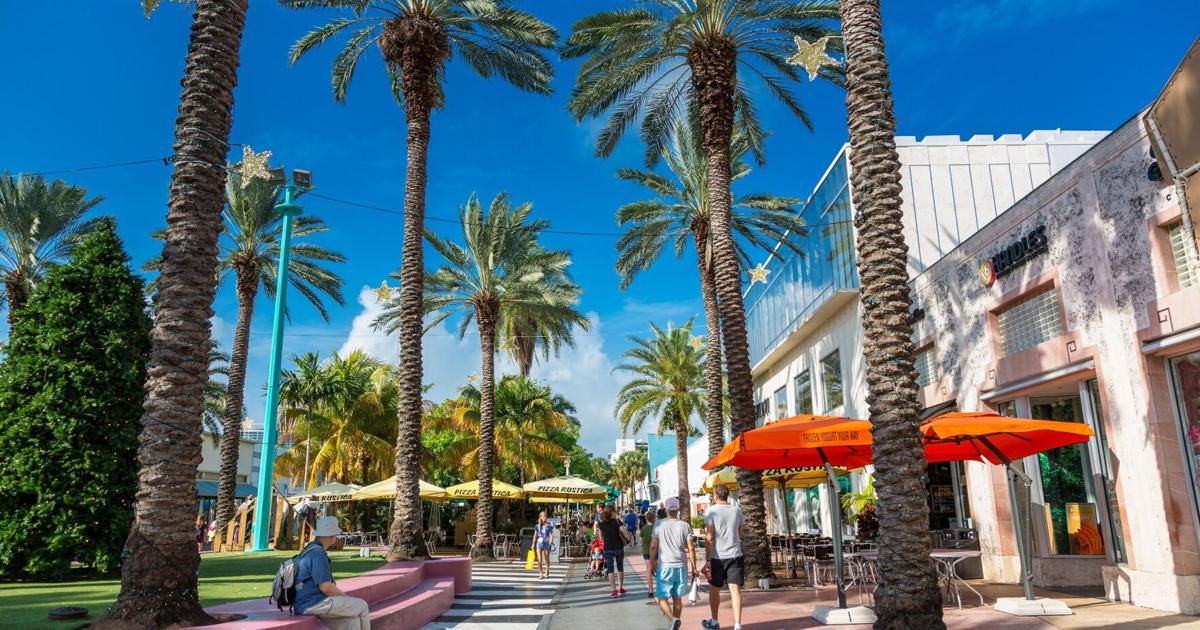
For many Baby Boomers, and even some Generation X residents who grew up in Key Biscayne or the general Miami Metro area, the iconic Lincoln Road in Miami Beach brings back memories of weekend walks, dinners with friends, and evenings that often ended with a stroll to the beach after crossing Washington and Collins Avenue.
Now, Lincoln Road may finally be on the verge of a comeback after nearly a decade of soaring rents, business turnover and increasing competition from other Miami retail districts. Once the crown jewel of South Beach retail, the pedestrian promenade saw its popularity decline as leasing costs pushed out some local shops and restaurants and left vacancies across the corridor.
According to reporting from Commercial Observer, longtime Miami investor Michael Comras, who famously sold a full Lincoln Road block in 2014 for $370 million in one of the priciest real estate deals in county history, has returned to the strip as a buyer.
Earlier this year, Comras acquired a major portion of store fronts along the 700 block at a steep discount, reportedly paying only about 40 cents on the dollar compared to its price more than a decade ago.
The lower basis could give the new ownership room to reduce rents and attract a more diverse mix of tenants.
The decline of Lincoln Road followed years of rapid appreciation. By the mid-2010s, some leases had reached $350 per square foot, squeezing out independent operators and contributing to the departures of local favorites like Books & Books, Van Dyke Café and Sushi Samba. Vacancy rose, and shoppers shifted to newer retail hubs such as Brickell City Centre, the Design District and Miami Worldcenter.
Today, Lincoln Road’s occupancy sits around 77 percent, according to the Lincoln Road Business Improvement District. Signs of revival, however, are emerging.
Comras’ acquisition has already sparked new leasing activity. Los Angeles hospitality group h.wood is bringing a restaurant and cocktail lounge to the street, while athleisure brand Alo has bought a retail condo where it plans to open a store and private gym.
The City of Miami Beach is also investing in a $30 million streetscape upgrade to improve lighting, landscaping, seating and pedestrian access. Nearby hotel owners, including the Ritz-Carlton and Sagamore, are planning a complementary $12 million project to enhance the eastern end of the promenade.
Even during its downturn, Lincoln Road has continued to attract more than 11 million visitors annually and remains one of the most recognizable shopping streets in Florida. High-performing tenants, including Mila, which generated nearly $50 million in sales last year, demonstrate the corridor’s enduring potential.
Even Wanahat, co-owned by Key Biscayne resident Chris Dalmau, opened a store at 811 Lincoln Rd., taking advantage of some resnt concessions as part of the City’s revitalization plan and hoping for a rebound of Lincoln Road as a shopping destination.
But challenges remain, including slow permitting processes, fragmented ownership across more than 60 landlords and storefront sizes that don’t always fit modern retailer needs.
Industry observers say a full revival will depend on landlords offering creative, flexible deals, particularly for small independent businesses that once helped define Lincoln Road’s character. As new operators move in and public improvements take shape, the coming years could determine whether Miami Beach’s signature retail street can reclaim its status as a true regional destination.
This article is based on coverage originally published by Commercial Observer.