
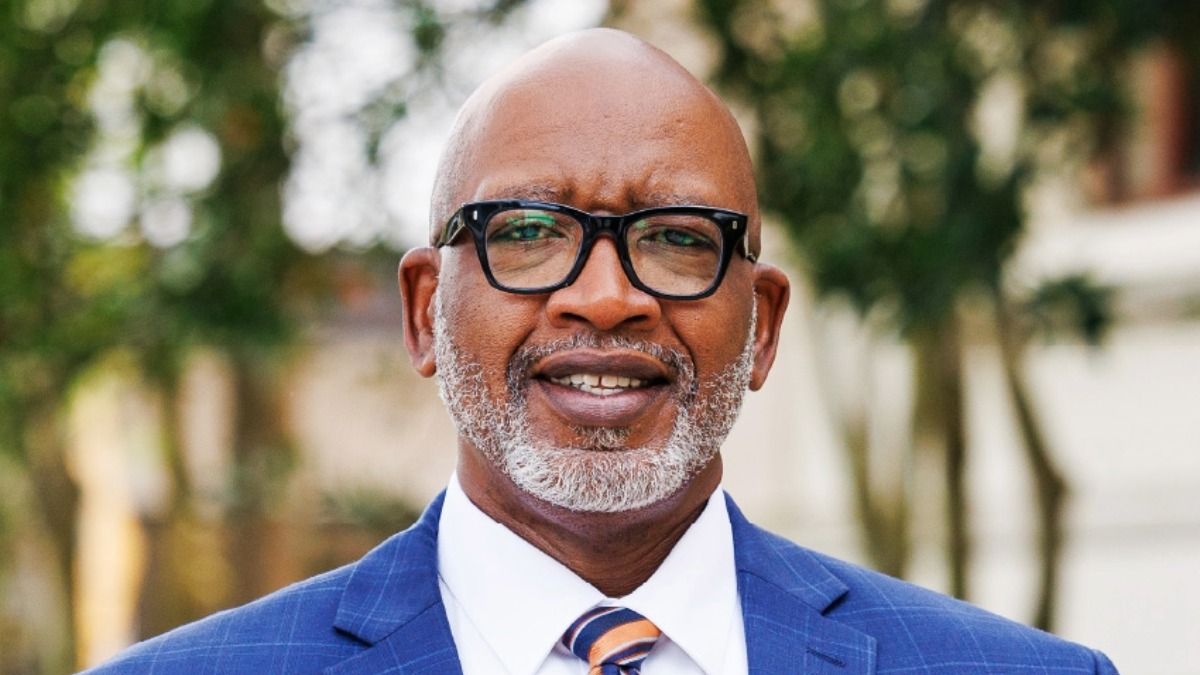
St. Petersburg Mayor Ken Welch caught up with TBBW this week to share updates on the city’s biggest priorities, from infrastructure and resilience to economic development, transportation and the future of the Gas Plant District.
The conversation comes at a time when St. Pete is seeing record interest from tech founders, corporate relocations and national investors.
In this article, we break down what Mayor Welch told us, why it matters and what leaders across the region should watch in the months ahead.
St. Pete shifts
In a wide-ranging conversation, Mayor Welch highlighted several major developments:
St. Pete’s rise as a tech and innovation hub
Welch said the region is attracting national founders who see the city as “the new center for tech, fintech and next generation investment.”
He pointed to continued momentum from firms relocating from San Francisco, New York and Chicago.
“My father and grandfather could never have envisioned something like that happening in Saint Pete,” he said.
Transportation remains the region’s Achilles heel
Welch said Tampa Bay is competitive “with any region in the world” except for one gap: modern transportation.
“It’s really our last Achilles heel,” he said. Connecting Tampa Bay and modernizing the I-4 corridor to Orlando is a long-term goal he believes would create a global super region.
$600 million resilience bond heading to voters
After last year’s historic storms, Welch said the city must fast-track infrastructure investment. Next year, St. Pete will ask voters to approve a $1 million bond to fund roughly $600 million in sewer system upgrades, tidal flooding solutions and neighborhood-level resilience projects.
RELATED: Inside Mayor Jane Castor’s plan to fix Tampa traffic
“Infrastructure wasn’t built to handle the level of impact we’re seeing,” Welch said.
The future of the Gas Plant District
Welch confirmed the city intends to begin developing the 86-acre Gas Plant District after 2028.
If you remove the Tropicana Field dome footprint, the buildable area is about 60 acres. He said redevelopment will proceed regardless of what happens with the Rays.
Two parcels are already moving forward: one for workforce housing and one for the Woodson African American Museum.
“It’s the biggest opportunity for economic progress in the city,” Welch said.
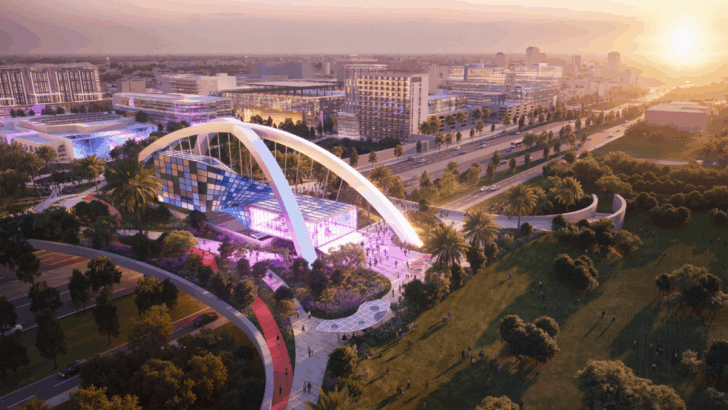
A bird’s-eye rendering highlights the full scale of the Gas Plant District proposal, spanning nearly 100 acres with housing, office, retail and open green space.
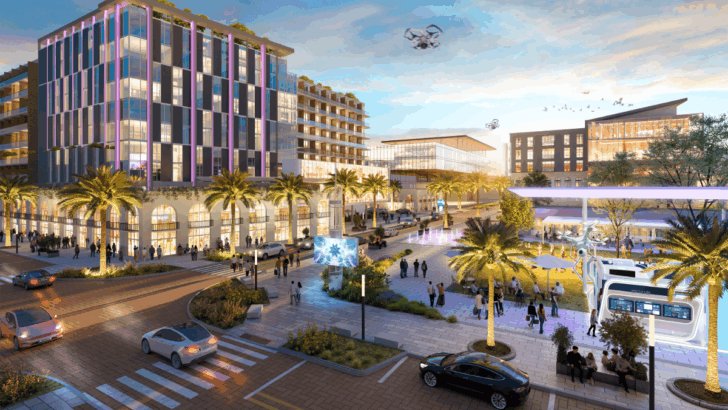
A rendering of the Gateway at 13th Street shows how the Gas Plant District redevelopment could blend modern architecture with pedestrian plazas and green space.
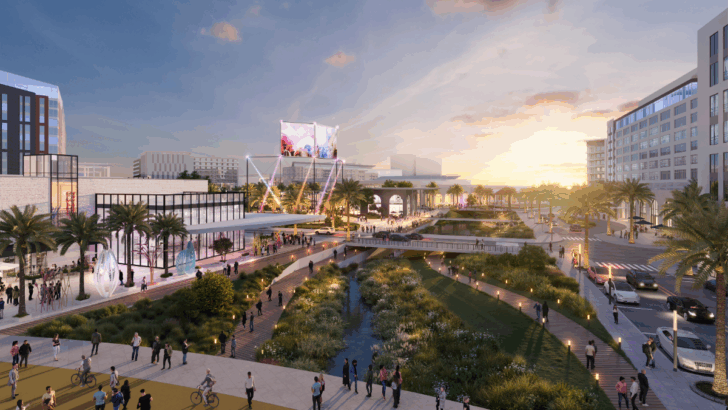
A proposed plaza within the Gas Plant District would feature walkable streets, public gathering spaces, and cultural programming.
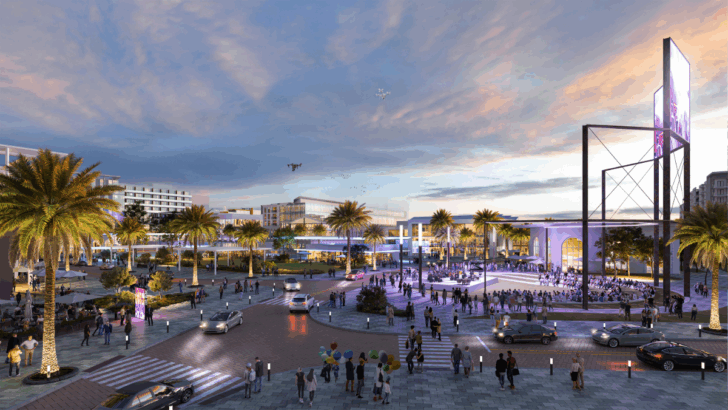
A proposed plaza within the Gas Plant District would feature walkable streets, public gathering spaces, and cultural programming.
Rebuilding trust with the Rays
Welch said the new Rays ownership is “transparent and easy to work with,” but acknowledged they must repair relationships after walking away from the previously approved deal.
He said he is open to a short-term extension at the Trop, especially given that repairs are ahead of schedule.
Workforce and housing remain top priorities
Welch emphasized that affordability is the biggest challenge for both residents and employers.
The city is partnering with developers, nonprofits and the school board to expand workforce and affordable housing using new subsidies and creative partnerships.
What’s happening now
Several active initiatives are shaping the next year:
St. Pete’s $1.1 billion budget is moving forward with no major changes
Spark St. Pete and fintech leaders continue to draw national attention
Infrastructure teams are running neighborhood-level resilience assessments
Developers are evaluating the Gas Plant District during the alternative proposal period
Employers and site selectors are increasing relocation site tours
LEARN MORE ABOUT ST. PETE’S 2026 BUDGET
Impact on Tampa Bay business leaders
Mayor Welch’s updates show a city preparing for its next decade of growth:
Tech migration is accelerating
Founders relocating from high-cost markets are already serving as ambassadors and attracting more companies to the region.
Resilience will be a major policy focus in 2025–2027
Businesses should track upcoming bond discussions and neighborhood-level infrastructure plans.
Even without a Rays agreement, large-scale mixed-use redevelopment is coming.
Housing affordability will impact hiring and retention
The city’s partnerships with developers and nonprofits hint at new models for attainable housing.
What’s at stake
Mayor Welch’s conversation with TBBW offers a clear message: St. Pete is entering a period of significant transformation driven by tech migration, infrastructure investment and long-awaited redevelopment.
The next 24 months will define the city’s economic future — and regional leaders should stay close to the updates.
Stay Connected