
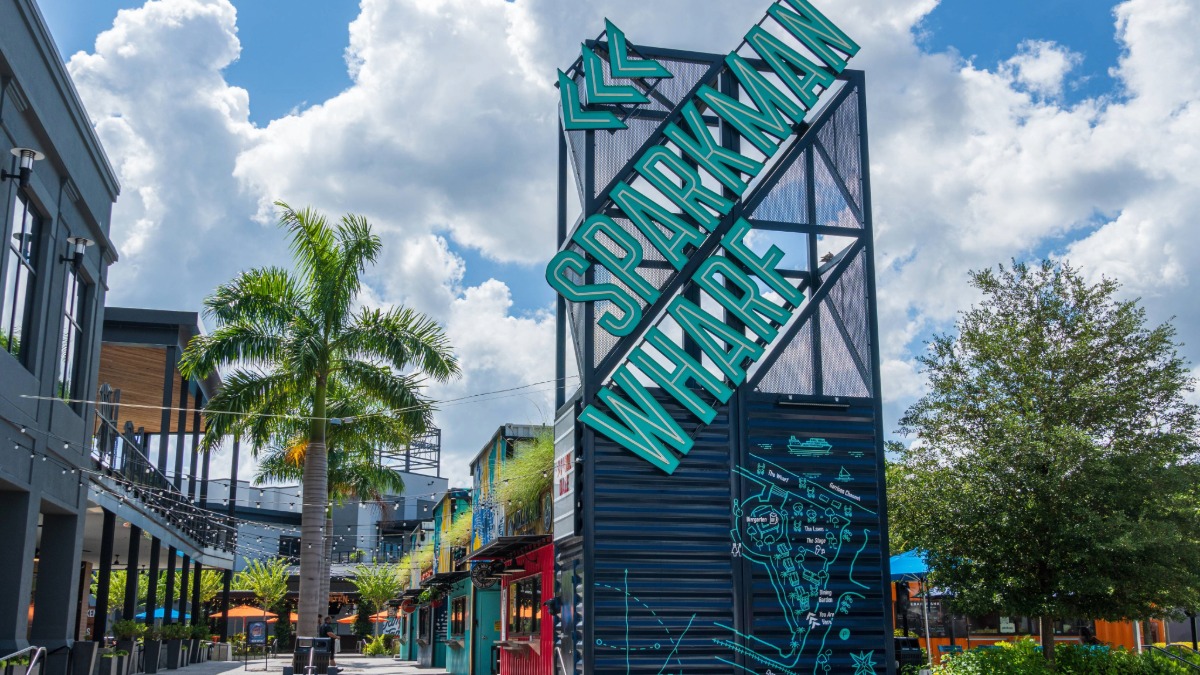
Tampa’s retail market continues to show strong momentum.
New data from Colliers indicates that leasing activity reached its highest level since 2021 during the third quarter.
This is important for business leaders because it signals steady tenant demand at a time when many national markets are slowing.
In this article, we’ll break down what the data shows and what it means for owners, retailers and developers across the region.
What happened
According to Colliers, Tampa recorded almost 580,000 square feet of retail leasing activity in the third quarter.
This is the strongest level of demand the market has seen in four years. International Farmer’s Market signed the largest lease of the quarter with 43,200 square feet in Mid Pinellas. Advance Auto Parts secured 32,573 square feet and Michaels signed for 30,892 square feet.
Rental rates continued to rise.
The average rate increased from $27.28 per square foot in the third quarter of 2024 to $29.47 per square foot this year.
At the same time, vacancy climbed to 5.7%, up 140 basis points year over year. Lifestyle centers saw the most impact with vacancy reaching 19.1% as shoppers cut back on discretionary spending.
Other retail segments remain stable. Community centers, strip centers and neighborhood centers are operating near historic low vacancy.
Net absorption remained negative at -154,246 square feet, an improvement from the -204,334 square feet recorded in the prior year.
New supply is also returning to the market. Tampa delivered 19,000 square feet in the third quarter and another 49,000 square feet is now under construction.
Why this matters
The report shows that Tampa is still one of the strongest retail markets in Florida. Tenants are expanding and well-located spaces are leasing quickly.
Rising rents and low vacancy in essential retail categories suggest durable long-term demand.
The challenges in lifestyle centers reflect ongoing changes in consumer habits, particularly among lower-income shoppers who are cutting back on non-essential purchases.
For investors and landlords, the data highlights the value of grocery-anchored and service-oriented centers.
For retailers, the competition for space is likely to intensify in the most popular submarkets.
What you should know
Owners should prepare for continued demand from mid-box and anchor tenants and review any underperforming lifestyle or experiential centers to determine whether repositioning is needed.
Retailers should move quickly when quality space becomes available and be ready for higher rents in top areas.
Developers should focus on projects that serve essential retail needs and design flexible floor plans that match current tenant requirements.
What’s next
Colliers expects the Tampa retail market to remain healthy through 2026. Population growth and steady consumer spending will continue to support demand.
New development will begin to ease some of the pressure on vacancy, but absorption trends in the fourth quarter will be an important indicator.
If leasing activity stays strong, Tampa could enter its most active retail cycle since before 2020.
Takeaway
Tampa’s retail sector remains resilient. Strong leasing activity and rising rents show that retailers continue to view Tampa Bay as a prime expansion market.
While lifestyle centers face challenges, the broader market is positioned for continued strength.
Business leaders who follow these trends closely will be better prepared for shifts in tenant demand and development opportunities.
Stay Connected