
Bear Warriors United, a nonprofit advocating for Florida’s black bears, challenged the Florida Fish and Wildlife Conservation Commission’s decision to allow what the agency calls a “highly regulated” black bear hunt.However, the organization’s efforts fell short when a judge denied its efforts to halt the hunt. “It’s designed to slow the population growth,” argued bear biologist Michael Orlando during a hearing in Tallahassee Monday. He helped review the data for the FWC’s August approval for a bear hunt. Arguing against the hunt was another biologist, Darcy Doran-Myers, an expert witness for Bear Warriors United, who used to work for FWC and helped write the agency’s 2019 bear management plan. She called it “the road map, and the end goal.” But how they interpreted that data took their testimony in opposite directions during this hearing. Bear Warriors United motioned for a temporary injunction to halt the December bear hunt.“If this bear hunt is allowed to go forward before there is a full hearing concerning the FWC’s actions, it will cause irreparable harm to the bear populations,” said attorney Thomas Crapps. FWC attorney Rhonda Parnell responded, “They didn’t get what they wanted because they didn’t want a bear hunt, so this has become a challenge to say the science isn’t good.” In the end, Circuit Judge Angela Dempsey kept the hunt on track, denying the motion for temporary injunction. Ten years ago, 304 bears were harvested in two days. This time around, 172 bear tags have been issued for what FWC calls a measured approach to reducing and redistributing the bear population. Critics say the state is simply appeasing property developers. Back in 2015, hunters brought the bears that they harvest to a check-in station here in Rock Springs Run. But for this hunt, there will be no check-in stations at all. Instead, hunters who harvest a bear will notify FWC, and an officer will come out to record it. “I plan on eating as much, every part of it I can possibly eat,” hunter Jason Howard told WESH 2. The Seminole County man scored a bear tag in the state’s lottery, enabling him to take one adult bear.An avid deer and turkey hunter, he calls himself a conservationist who eats what he shoots, and doesn’t want courts getting in his way.“When the courts start getting involved, and they start taking away hunters’ rights and hunters’ privileges to take game, it’s just a snowball effect,” he said.Tom Allison, a resident in Ocala, is one of 40 people who won bear tags, but will not join the hunt. The man who was a bear station monitor during the 2015 hunt said, “I was both sad and glad at the same time. Glad I could save a bear, but knowing that next year they are going to probably change the quota and change the game on us again.” The hunt is set to take place between Dec. 6-8. While the temporary injunction to stop the hunt was denied, the judge did not rule on the state’s motion to dismiss the lawsuit entirely. That may not happen until mid to late December, when the hunt has already taken place.
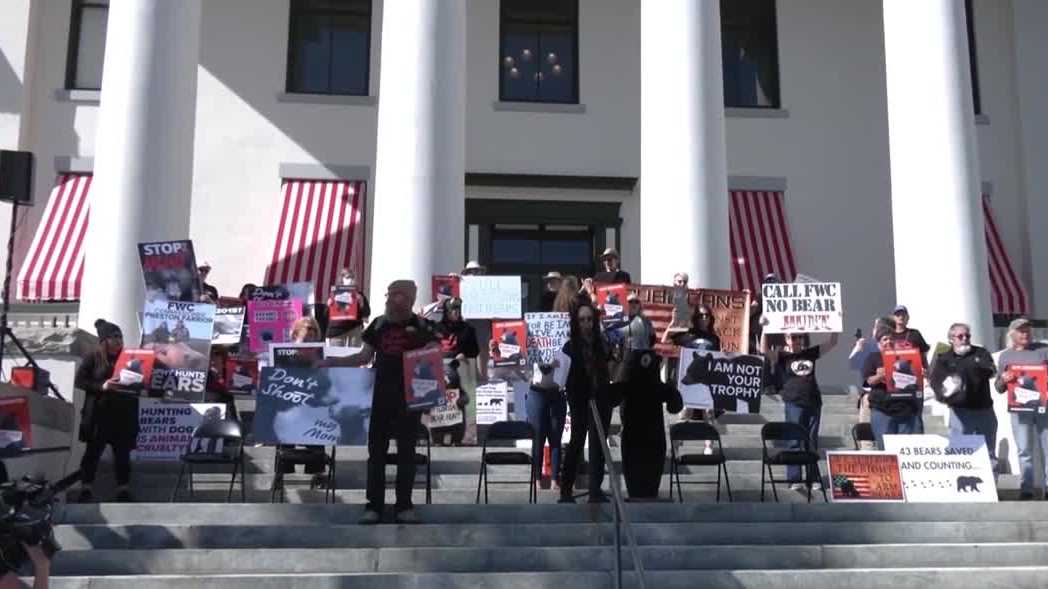
Bear Warriors United, a nonprofit advocating for Florida’s black bears, challenged the Florida Fish and Wildlife Conservation Commission’s decision to allow what the agency calls a “highly regulated” black bear hunt.
However, the organization’s efforts fell short when a judge denied its efforts to halt the hunt.
“It’s designed to slow the population growth,” argued bear biologist Michael Orlando during a hearing in Tallahassee Monday. He helped review the data for the FWC’s August approval for a bear hunt.
Arguing against the hunt was another biologist, Darcy Doran-Myers, an expert witness for Bear Warriors United, who used to work for FWC and helped write the agency’s 2019 bear management plan. She called it “the road map, and the end goal.”
But how they interpreted that data took their testimony in opposite directions during this hearing.
Bear Warriors United motioned for a temporary injunction to halt the December bear hunt.
“If this bear hunt is allowed to go forward before there is a full hearing concerning the FWC’s actions, it will cause irreparable harm to the bear populations,” said attorney Thomas Crapps.
FWC attorney Rhonda Parnell responded, “They didn’t get what they wanted because they didn’t want a bear hunt, so this has become a challenge to say the science isn’t good.”
In the end, Circuit Judge Angela Dempsey kept the hunt on track, denying the motion for temporary injunction.
Ten years ago, 304 bears were harvested in two days.
This time around, 172 bear tags have been issued for what FWC calls a measured approach to reducing and redistributing the bear population.
Critics say the state is simply appeasing property developers.
Back in 2015, hunters brought the bears that they harvest to a check-in station here in Rock Springs Run. But for this hunt, there will be no check-in stations at all. Instead, hunters who harvest a bear will notify FWC, and an officer will come out to record it.
“I plan on eating as much, every part of it I can possibly eat,” hunter Jason Howard told WESH 2.
The Seminole County man scored a bear tag in the state’s lottery, enabling him to take one adult bear.
An avid deer and turkey hunter, he calls himself a conservationist who eats what he shoots, and doesn’t want courts getting in his way.
“When the courts start getting involved, and they start taking away hunters’ rights and hunters’ privileges to take game, it’s just a snowball effect,” he said.
Tom Allison, a resident in Ocala, is one of 40 people who won bear tags, but will not join the hunt.
The man who was a bear station monitor during the 2015 hunt said, “I was both sad and glad at the same time. Glad I could save a bear, but knowing that next year they are going to probably change the quota and change the game on us again.”
The hunt is set to take place between Dec. 6-8.
While the temporary injunction to stop the hunt was denied, the judge did not rule on the state’s motion to dismiss the lawsuit entirely.
That may not happen until mid to late December, when the hunt has already taken place.