
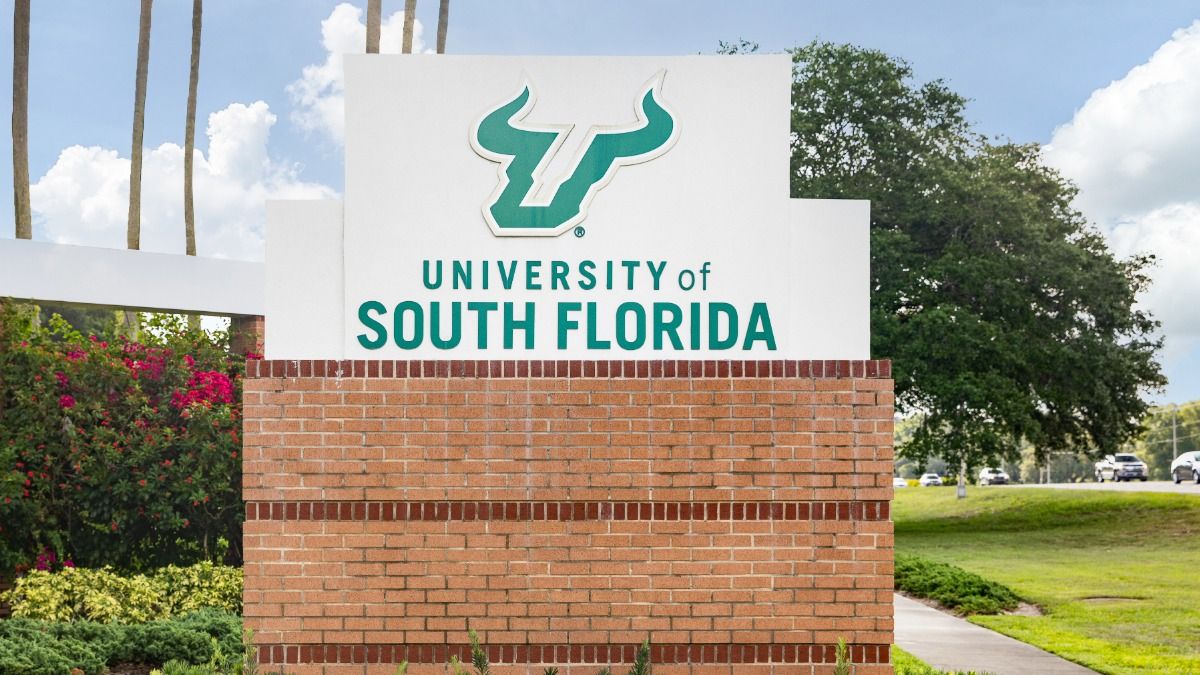
The University of South Florida’s Muma College of Business is expanding its real estate offerings with new graduate concentrations and a proposed Master of Science in Real Estate that could start in fall 2027.
The degree is moving through the university and state approval process.
USF already offers an undergraduate real estate minor that launched in 2024 and has attracted strong interest across campus.
“We have seen tremendous growth in the minor,” said Randy I. Anderson, director of real estate programs at the Muma College of Business. “About a third of the students in it are non-business majors. Real estate is interdisciplinary, so that interest is exactly what we hoped for.”
USF plans to add real estate concentrations to two graduate programs in fall 2026, pending approval.
The concentration will be offered in the Master of Science in Financial Analytics and the professional MBA. Students would take Real Estate Foundations, Real Estate Investment Analytics and Real Estate Development.
Master’s degree targeted for 2027
The larger initiative is a new Master of Science in Real Estate that could launch in fall 2027. It is planned as a 30-credit-hour program that students can finish in about one year of full-time study.
The degree must be approved internally and by the State University System’s Board of Governors.
READ: Whole Foods will anchor Sarasota Square as 96-acre redevelopment accelerates
Graduates would be prepared for roles in brokerage, development, private equity, lending, acquisitions and portfolio management.
“Our goal is for students to be day-one ready,” Anderson said. “We want them to be able to provide value immediately.”
Anderson said the curriculum is being shaped by studying the strongest real estate programs in the country and by gathering industry input.
The college reviewed the structures of the top 10 programs and combined that with a skills survey completed by its advisory board.
READ: St. Pete YMCA’s new CEO sets belonging as top priority
Anderson has built real estate programs at Florida International University, the University of Central Florida and Baruch College. His experience is now guiding USF’s approach.
“I have helped build programs before,” Anderson said. “Our approach blends national benchmarking with what employers want in Tampa Bay and beyond.”
A 40-member advisory board of C-suite executives is helping shape the curriculum. Most members are based in Tampa Bay, but some are from major real estate hubs including New York, Dallas and Atlanta.
“These are some of the most senior executives in the market,” Anderson said. “They all showed up for our inaugural meeting. The engagement has been amazing.”
READ: Tampa retail market hits highest demand since 2021
USF has hosted high-profile speakers through partnerships with CBRE, MSCI and other firms. A recent event featured a global real estate outlook broadcast live from a Muma classroom.
“When people hear about the program, they want to help,” Anderson said. “They mentor students, they come to campus and they want to hire our students.”
Real Estate Center in development
The college is also creating a Real Estate Center that will serve as a hub for academic and industry engagement.
It will house the advisory board, support the speaker series and host an annual Real Estate Leadership Summit. The center is now moving through its approval process.
Student demand is already strong
USF’s real estate society is one of the largest student groups on campus, with 500 to 700 members in a typical year.
The club meets weekly during the fall and spring semesters, brings in speakers and hosts a case competition and career fair.
“Students in the club have been very successful getting mentorships, internships and jobs,” Anderson said.
Anderson said Tampa Bay’s growth has helped drive interest. The region has attracted corporate relocations, institutional investment and substantial population gains.
“The region was not on institutional investors’ target lists 20 years ago,” Anderson said. “Now everybody looks at Tampa Bay.”
READ: Tropicana Field roof finished early as Rays chase new stadium
The location also helps students secure internships year-round.
“If you are in the region, you can continue your internship during the school year,” he said. “Those opportunities exist 365 days a year.”
Preparing for real estate cycles
The curriculum will include risk, forecasting and market cycles. Anderson said this is essential for students who may start their career during a boom.
“There are ups and downs in real estate,” he said. “Trees do not grow to the sky. Understanding the cycle helps you make better decisions.”
Open to all undergraduate backgrounds
Applicants will not need an undergraduate real estate degree.
“Many successful real estate professionals came from other fields,” Anderson said. “Students with strong quantitative and communication skills can thrive. The master’s gives them the technical skills they need.”
Stay Connected