
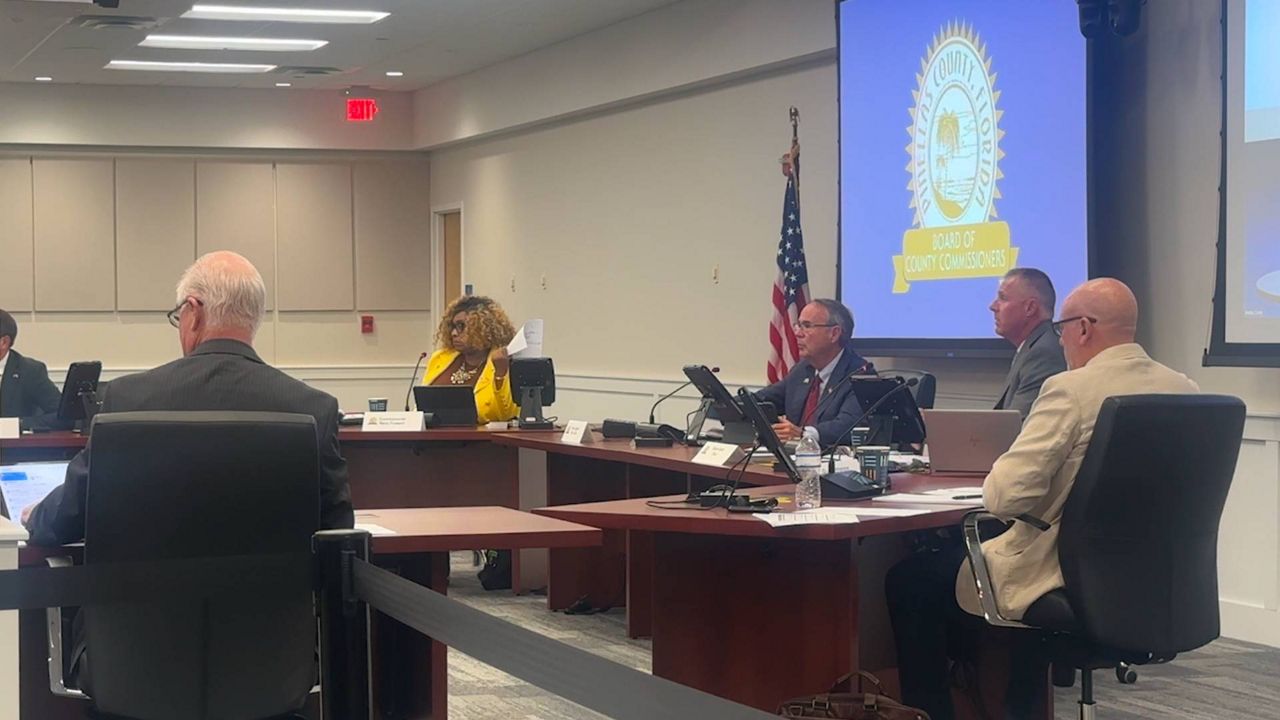
ST. PETERSBURG, Fla. — For the second time since Florida passed the Live Local Act, Pinellas County leaders have voted to opt out of part of the law’s affordable housing property tax exemption — a move supporters say protects local land-use control, while critics argue it does little to help workers struggling with rising rent.
What You Need To Know
For the second time since Florida passed the Live Local Act, Pinellas County leaders have voted to opt out of part of the law’s affordable housing property tax exemption
It’s a move that supporters say protects local land-use control, while critics argue it does little to help workers struggling with rising rent
County officials point to a dedicated funding source through the Penny for Pinellas tax, which has allocated $98 million for housing over the past decade
The opt-out applies only to the 80–120% AMI tax exemption for the 2025 tax year
The unanimous vote from the Pinellas County Commission removes a tax incentive for developers building units priced for households earning 80 to 120% of the area median income (AMI).
County officials say that range is too close to market-rate housing and does not address the needs of the county’s most rent-burdened residents.
Service industry employees, including hospitality, restaurant and gig workers, make up a significant portion of St. Petersburg and Clearwater’s economy. Many say the high cost of housing is pushing workers farther away from their jobs, straining an industry already dealing with labor shortages.
William Kilgore, a bike courier and advocate with the St. Petersburg Tenants Union, says the term “affordable” is often misleading.
“When you use the term ‘affordable,’ it’s a subjective term,” Kilgore said. “What’s affordable for me may not be affordable for someone else. The vast majority of folks who are rent-burdened are not benefiting from the housing produced by these tax incentives.”
Kilgore said workers such as hotel housekeepers, gig workers and restaurant employees continue to struggle to keep up with rising rents despite the passage of the Live Local Act in 2023.
Commission Chair Brian Scott said the Live Local Act preempts local governments’ ability to control where large, high-density developments can be built, especially in areas where industrial and employment land needs to be protected.
“Eighty to 120 percent AMI is basically market-rate housing,” Scott said. “There’s no real need for an exemption for market-rate housing. Live Local also preempts us from making land-use decisions because developers can come in and build by right.”
Scott said the county is putting its focus on supporting residents with incomes below 80% AMI, which he said represents the county’s greatest housing need.
County officials point to a dedicated funding source through the Penny for Pinellas tax, which has allocated $98 million for housing over the past decade. Commissioners said they are also identifying surplus county-owned parcels for future affordable housing development.
The opt-out applies only to the 80–120% AMI tax exemption for the 2025 tax year.
Officials said the decision helps ensure that land-use decisions, particularly those regarding high-rise development, remain under local control, while still allowing the county to target funding toward the lowest-income households.