
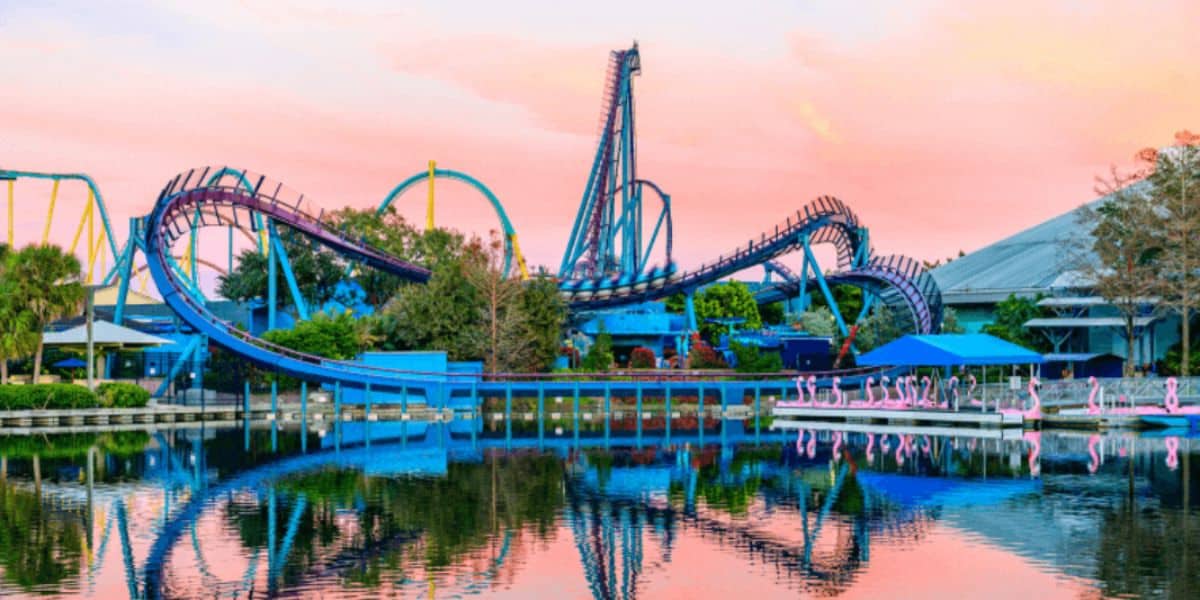
A central Orlando theme park is in the news as the Justice Department launches an official investigation into dozens of parks, including those in Orlando and California.
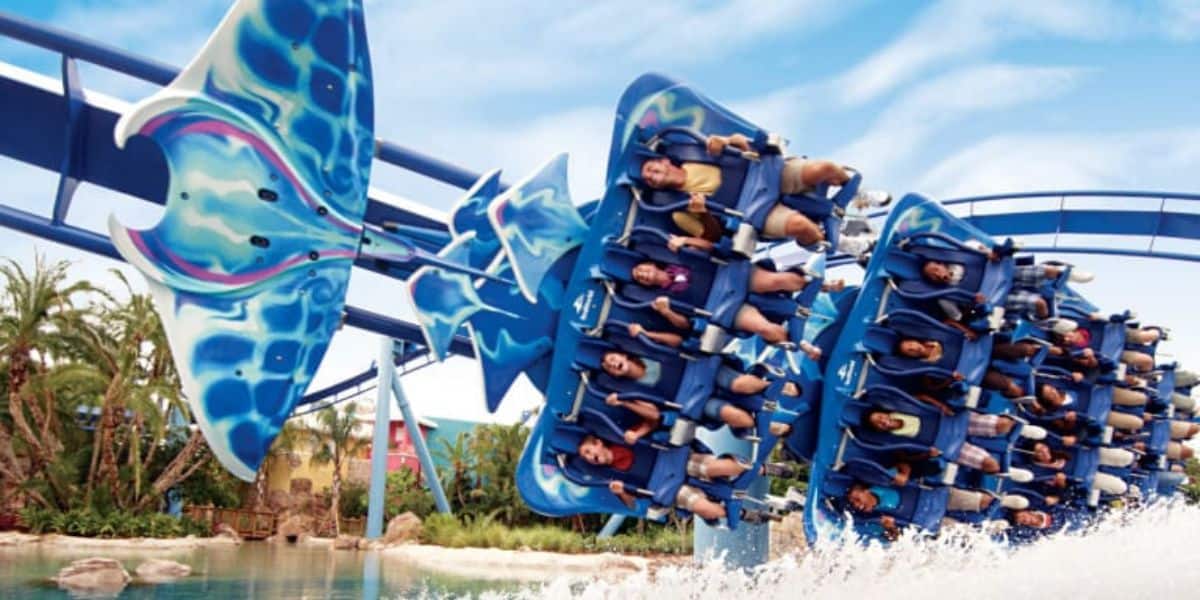 Credit: SeaWorld
A Routine Morning at a Florida Theme Park Took an Unexpected Turn—And Now Millions of Guests Are Watching Closely
For most visitors, stepping through the gates of a major Florida theme park is the start of a carefree day—roller coasters rumbling overhead, families weaving through crowds, and the familiar mix of sunscreen and excitement in the air. But behind the scenes of this picture-perfect vacation moment, a growing number of guests have been quietly sharing a very different experience, one filled with frustration, confusion, and a surprising barrier they never expected to face. Their stories, once isolated, have now converged into a single question: What happens when the very tools that help someone navigate a theme park become the reason they’re turned away?
That question has now escalated into something much larger—large enough to pull the attention of federal officials, disability advocacy groups, and millions of future parkgoers who wonder what could change next.
 Credit: Busch Gardens
A Pattern of Complaints Reaches Federal Authorities
According to multiple accounts from visitors with disabilities, three major Florida parks—each under the umbrella of United Parks & Resorts Inc.—have reportedly restricted the use of certain mobility devices known as rollator walkers. For many people with disabilities, these walkers are non-negotiable; they’re essential for balance, stability, and safe, independent movement.
Some guests allege that without their rollators, simply entering the parks becomes impossible. Others say the only alternatives provided were devices they were physically unable to use—or ones that would require paying additional fees.
These allegations, shared by members of the public directly affected, eventually reached federal authorities. And that’s where the story shifts from isolated guest frustration to something far more consequential.
 Credit: Busch Gardens
Federal Officials Step In
Today, the U.S. Department of Justice’s Civil Rights Division, along with the U.S. Attorney’s Office for the Middle District of Florida, officially confirmed that they have opened an investigation into United Parks & Resorts Inc. The company owns or licenses several major theme park brands, including SeaWorld Orlando, Busch Gardens Tampa Bay, and Aquatica Orlando.
The inquiry centers on whether the company’s policies violate Title III of the Americans with Disabilities Act (ADA), which prohibits disability-based discrimination by public accommodations—including theme parks.
Federal officials emphasized that millions of guests visit Florida’s parks every year and that accessibility is not optional.
“No guest is denied access or charged more because of a disability,”
— Assistant Attorney General Harmeet K. Dhillon, Civil Rights Division
“No one should ever be denied equal access to public accommodations based on disability,”
— U.S. Attorney Gregory W. Kehoe, Middle District of Florida
These statements highlight a broader, ongoing national conversation about accessibility in entertainment spaces—and where theme parks fall short, enforcement can follow.
 Credit: Busch Gardens
Why This Investigation Matters Beyond These Parks
While the investigation focuses specifically on United Parks & Resorts, the implications could stretch across the entire theme park industry. Accessibility standards—particularly around mobility aids—vary widely among parks.
If the findings show ADA non-compliance, it may trigger:
Wider scrutiny of accessibility policies across other parks, including competitors
Potential operational changes to mobility-device rules
Industry-level clarifications from the DOJ about what accommodations must be allowed
A shift in how future ride and park infrastructure is designed
In other words, what begins with one company’s policies could influence accessibility expectations across U.S. theme parks—Disney, Universal, and others included.
For guests with disabilities, the outcome could define what “equal access” looks like in real-world practice.
 Credit: Inside The Magic
What Guests Should Know Right Now
The investigation is currently ongoing. Trial Attorney David K. Gardner and Assistant U.S. Attorney Alexandra N. Karahalios are handling the case.
Anyone who believes they’ve been affected by disability discrimination at any United Parks & Resorts property—including SeaWorld Orlando, Busch Gardens Tampa Bay, or Aquatica Orlando—can file a complaint directly with the Department of Justice through:
The DOJ is encouraging impacted guests to come forward as the investigation progresses.
 Credit: Busch Gardens Tampa Bay
The Undercurrent Story: Accessibility at a Crossroads for Theme Park News
Theme parks are built with thrills, immersion, and spectacle in mind—but full accessibility remains one of the industry’s greatest challenges. As modern parks grow more complex, the need for inclusive design grows with them.
This investigation isn’t just about rollator walkers. It’s about how millions of Americans with disabilities experience some of the most famous attractions in the world—and whether the industry is prepared to evolve.
The next steps could reshape how families plan theme park vacations for years to come.