
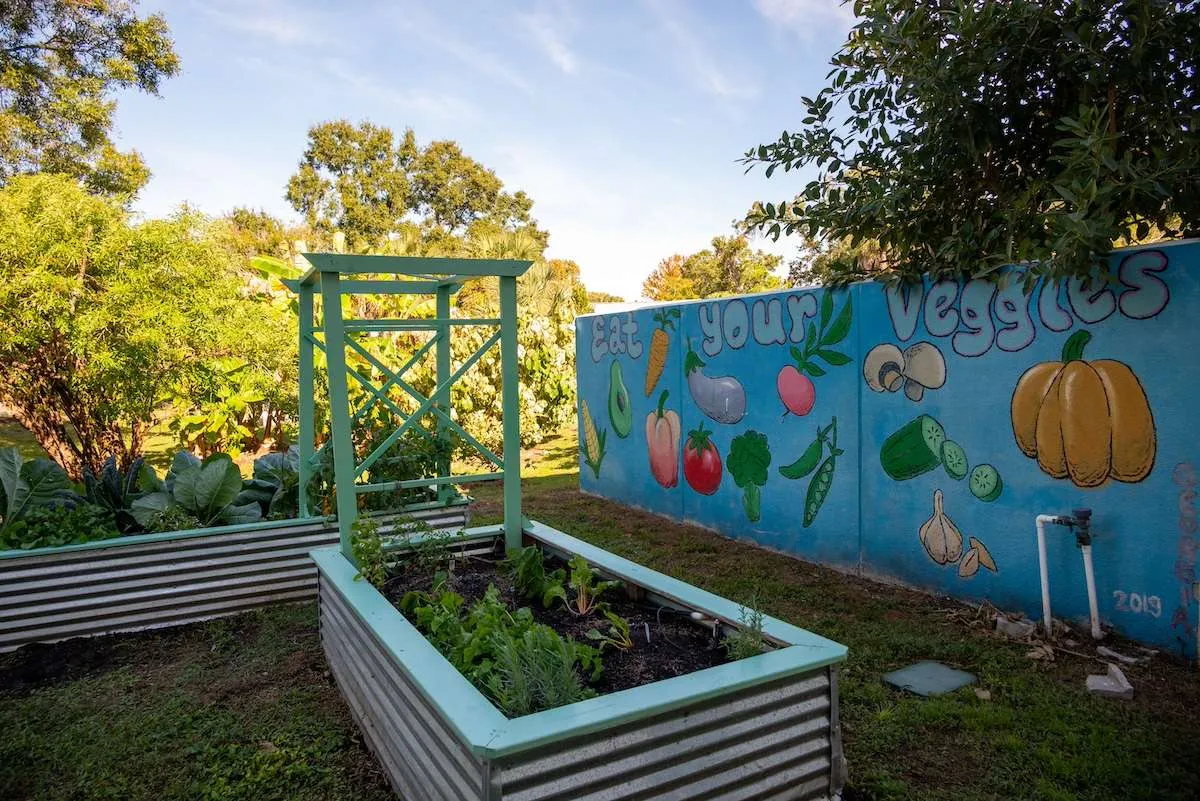
 The Edible Peace Patch Project garden at Gulfport Montessori Elementary School.
Photo by Becca McCoy
On a cold Tuesday morning, students at Gulfport Montessori Elementary School gathered in their garden. Without a single weather-based complaint, the students eagerly dug in the soil, hunted for bugs, planted seedlings, and tried new foods. Through the guidance of “Garden Teachers” Miss Niki and Miss Katie, dozens of edible plants spanning fruits, veggies, herbs, and flowers are sprouting, blooming, and flourishing in this living classroom.
Niki Bigda is the Garden Supervisor and Katie Ruhl is a Garden Educator for the Edible Peace Patch Project, a nonprofit maintaining educational gardens in eight Title 1 elementary schools around Pinellas County.
Now a subsidiary of R’Club Child Care, Inc., the Edible Peace Patch Project was formed in 2009 when a group of Eckerd College students installed a prototype schoolyard garden at Lakewood Elementary School.
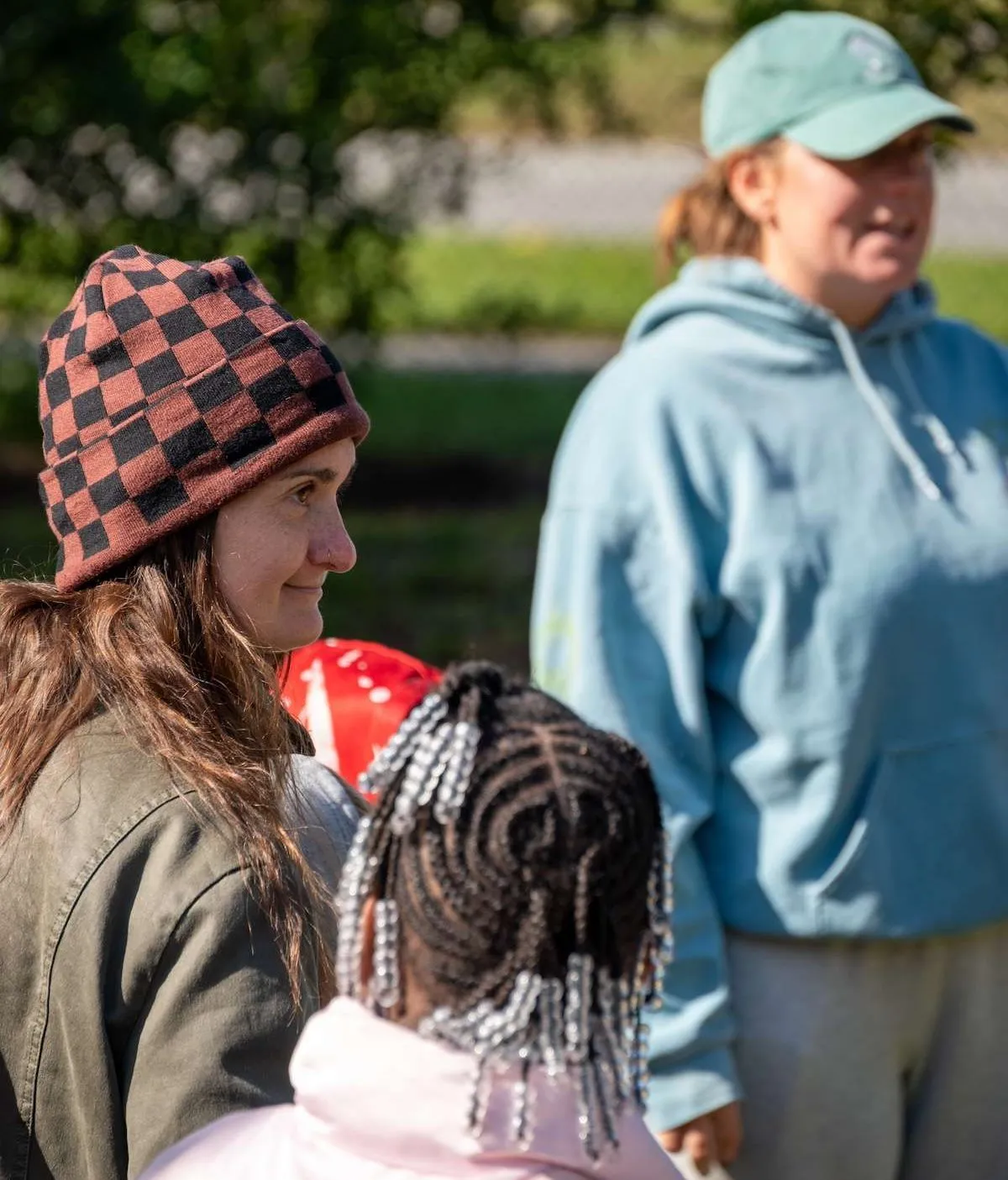 Program Supervisor Niki Bigda and Garden Educator Katie Ruhl with students.
Photo by Becca McCoy
In the years since, they have developed a curriculum that correlates with the Florida State Standards for Science, marrying garden-based learning with the students’ in-school lessons. The experiential learning and emphasis on wellness has broad positive impacts.
“I don’t know if you noticed,” said Bigda, “but they’re all willing to try anything out of the garden, which is huge.”
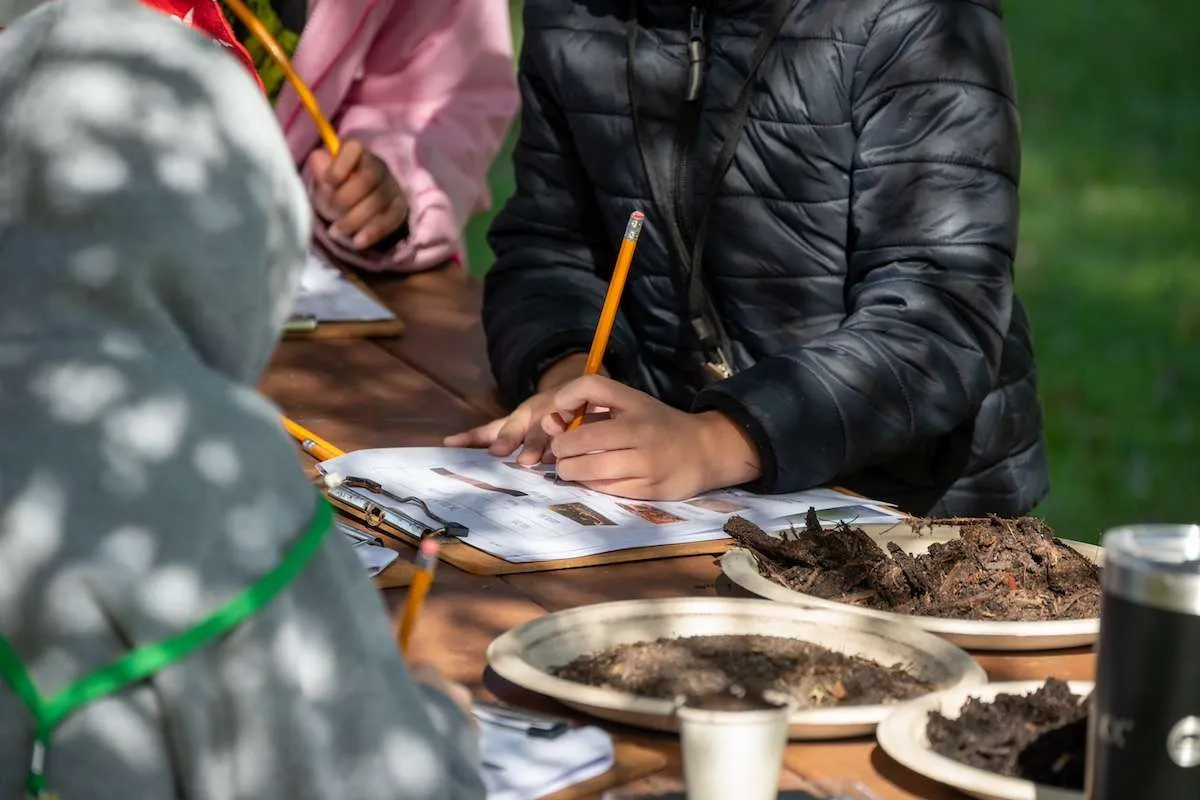 The Edible Peace Patch Project was formed in 2009 when a group of Eckerd College students installed a prototype schoolyard garden at Lakewood Elementary School.
Photo by Becca McCoyEdible Peace Patch Project
Bigda has been with Edible Peace Patch Project for seven years, having started as a volunteer in college. She and Ruhl, an environmental studies major and urban farmer, are two of only four staff members at the organization. Their small team maintains all eight of the schoolyard gardens while teaching 20 to 25 classes a semester, reaching approximately 500 students. It’s possible thanks to community partners and a robust team of more than 100 volunteers.
Throughout each eight-week semester, students in grades one through five connect with the outdoors through a hands-on education that deepens their appreciation for where food comes from.
One student started this semester amazed: “I didn’t know you could eat plants!” When asked where they thought their food came from, the answer was “Publix.”
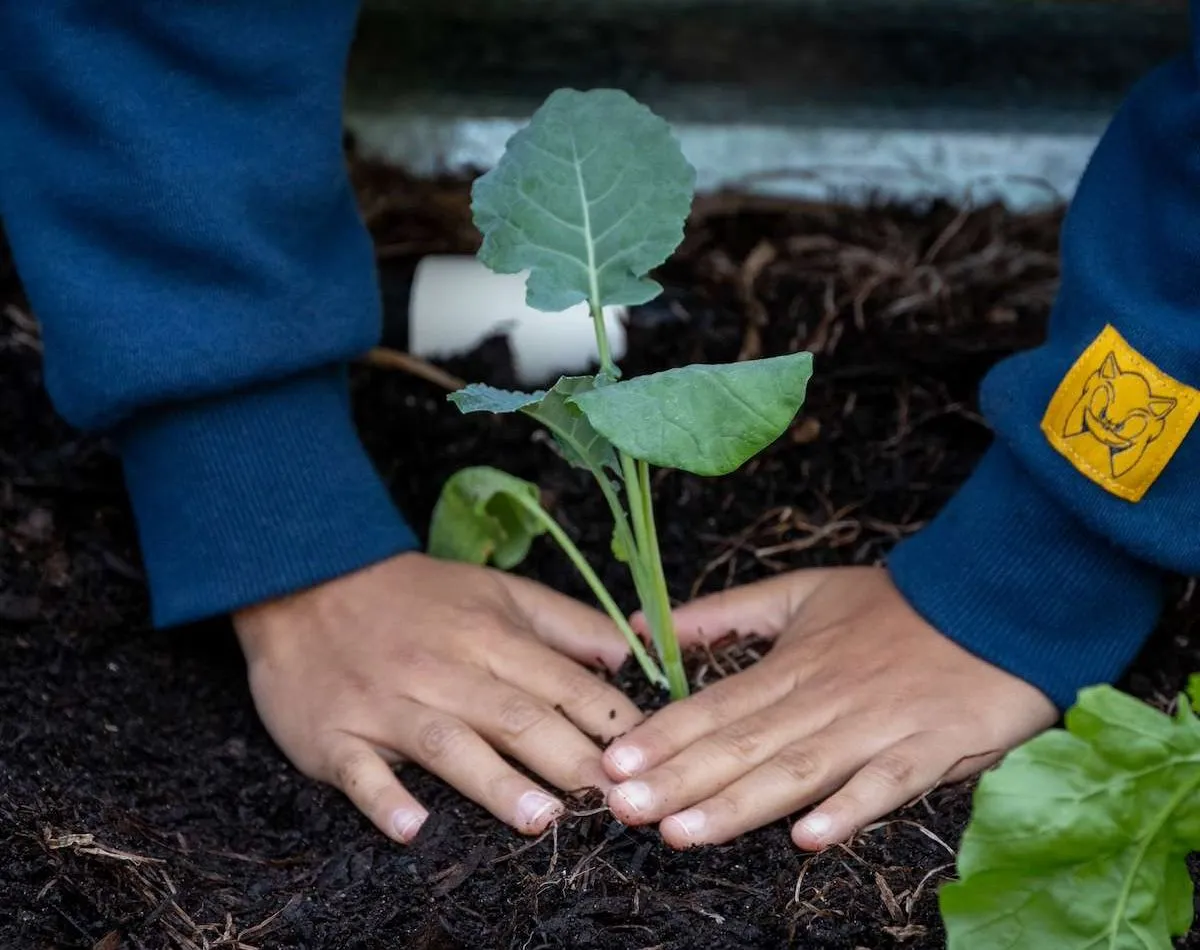 Throughout each eight-week semester, students in grades one through five connect with the outdoors through a hands-on education.
Photo by Becca McCoy
“I think my favorite thing is just the curiosity,” said Ruhl. “Kids having an interest in where their food comes from, beyond seeing it on their plates or adults giving it to them. It’s like, ‘I’ve created this garden, I’ve grown this, so I can eat it.’”
Semesters of Growth
Each semester ends with a Harvest Festival – all the food is shared amongst the students, who are also gifted with seed packets and recipe books.
At only three weeks into the semester, the students were snacking on starfruit, cotton candy berries, green beans, radishes, mustard greens, lemongrass, and cranberry hibiscus pulled straight from their garden.
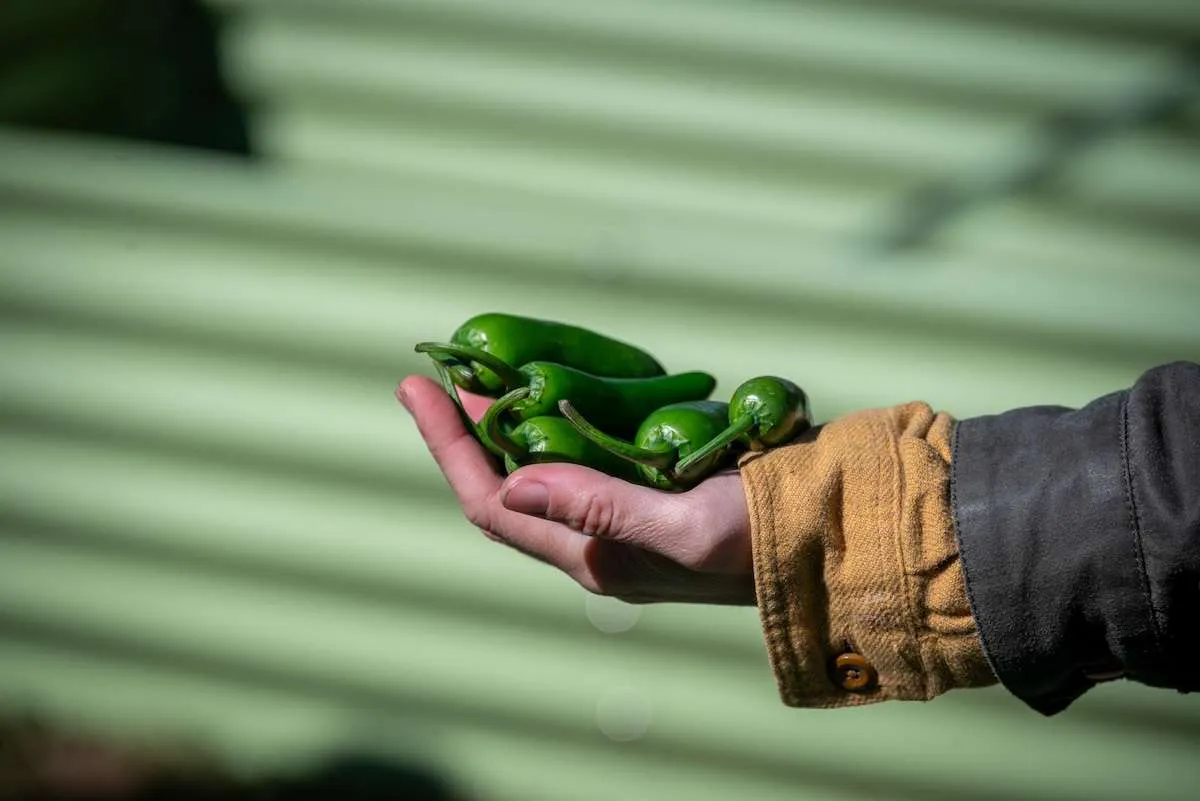 Each semester ends with a Harvest Festival – all the food is shared amongst the students, who are also gifted with seed packets and recipe books.
Photo by Becca McCoy
“If they can see where the food comes from, they’re more inclined to eat it,” said Bigda. “We’re bribing them with kale, and it works.”
Interested volunteers can visit rclub.net to learn more and start the process.
We’re the calm during the storm. No hype, only help!
Bookmark The Gabber Newspaper‘s storm coverage page for quick access to relevant tropical storm updates. No hype, no guessing, just updates on shelters, sandbags, and closures. Sign up for text alerts to get real-time guidance and prep advice when there’s a named storm heading our way. Also, check out our downtown Gulfport and beach web cams.
Your donations are tax-deductible to the full extent of the law. The Florida Community News Fund is a program administered by the Florida Press Foundation, tax ID #59-2449377, a 501 (C) (3) organization. All donations made at this link go to The Gabber Newspaper through the Florida Press Association, a 501(c)(3).
Please support local news and The Gabber Newspaper!