
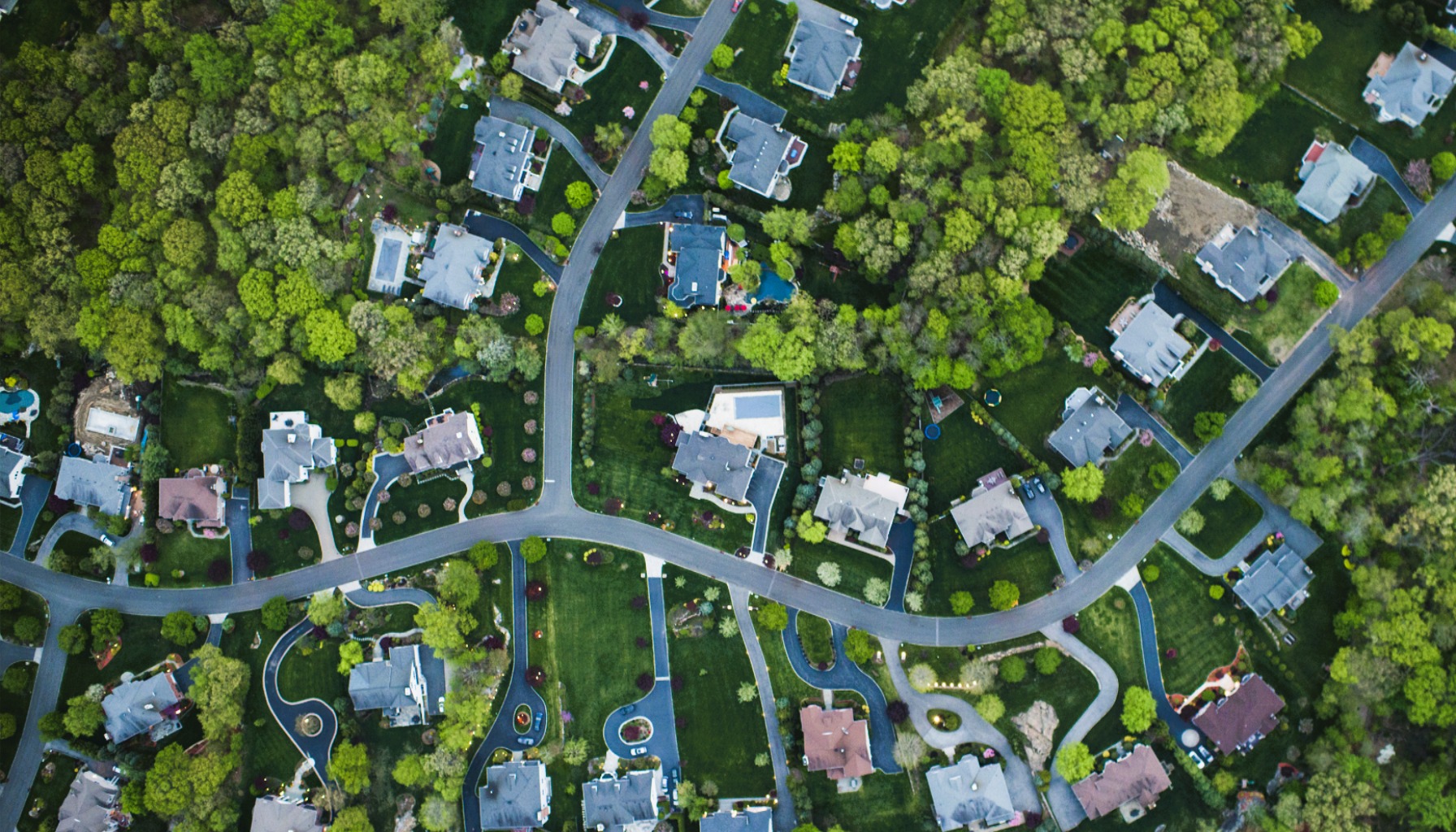
The question on everyone’s mind is: Will Florida’s housing market crash in 2026? Based on the latest insights from Cotality, five Florida housing markets are being closely watched for a potential significant dip in home prices. While a full-blown “crash” might be too strong a word for what I see happening, these areas are definitely experiencing a notable correction. Let me break down what this means for you, whether you’re looking to buy, sell, or just curious about the Sunshine State’s real estate scene.
Will These Florida Housing Markets Crash in 2026?
Markets on the Radar: The Top 5 Florida Cities to Watch
Cotality has identified a list of markets with a very high risk of price decline within the top 100 largest metro areas in the U.S. Among these, five are nestled right here in Florida. These aren’t just random picks; they are based on specific data that signals a cooling trend.
Here’s the list, according to Cotality’s analysis:
Cape Coral, FL
Fort Lauderdale, FL
Lakeland, FL
Palm Bay, FL
West Palm Beach, FL
It’s important to understand that “risk of price decline” doesn’t automatically mean a catastrophic collapse. Instead, it suggests a period of adjustment where prices might see a significant pullback from their recent peaks. As a real estate professional who has navigated various market cycles, I can tell you that corrections are natural, especially after periods of rapid growth.
Why These Florida Markets? Unpacking the Trends
You might be wondering, what makes these particular cities stand out? The data paints a picture of markets that experienced significant growth during the pandemic-fueled boom and are now seeing a recalibration. Realtor.com’s analysis, combined with insights from experts like Cara Ameer, a real estate broker at Coldwell Banker Vanguard Realty in Florida, and Karen Borrelli, president of Royal Palm Coast Realtor Association, helps us understand the driving forces.
The “Cooling” Trend: Florida Dominates the List
It’s not just these five cities. In fact, the same report shows that seven of the top 10 coolest housing markets in the U.S. are in Florida. This “coolest” designation refers to markets experiencing the steepest home price declines.
Here are some of the cities mentioned in that report:
Cape Coral, FL (-7.1% year-over-year price decline)
Naples, FL (-6.7%)
Punta Gorda, FL (-6.2%)
Sebring, FL (-5.2%)
North Port, FL (-5.1%)
Brownsville, FL (-4.8%)
Sebastian, FL (-4.6%)
This widespread cooling across Florida suggests broader economic and demographic shifts at play, rather than isolated issues.
Cape Coral: A Case Study in Market Correction
Cape Coral, a city known for its extensive canal system, has been particularly highlighted. Its home prices have fallen significantly. According to Realtor.com’s analysis of the latest data, the typical single-family home in Cape Coral sold for nearly 7% less in August 2025 compared to the previous year. Even more striking, compared to the pandemic boom era of August 2022, the median home sales price has dropped by over 13%. North Port has seen an even more dramatic long-term correction, with typical August 2025 home sales prices 20% less than three years prior.
What’s impacting Cape Coral?
Rising Costs: Higher interest rates, increasing insurance premiums, and climbing foreclosure rates are dampening buyer enthusiasm.
Insurance Woes: Being on the Gulf Coast makes cities like Cape Coral vulnerable to hurricanes and flooding. This leads to higher and harder-to-get homeowner’s insurance. Cape Coral has the third-highest premium-to-market ratio in the nation at 2.2% – meaning a $350,000 home could cost $7,700 annually in insurance alone.
Foreclosures: ATTOM data from Q3 2025 showed Cape Coral having one of the highest foreclosure rates among major metros. While this number is up, local real estate professionals like Karen Borrelli caution against jumping to conclusions about a full-blown crisis.
Beyond Cape Coral: Common Themes
The challenges faced by Cape Coral – like rising insurance costs and the aftermath of a red-hot market – are not unique. Many coastal Florida markets are experiencing what experts call an overcorrection.
Cara Ameer points out that while Florida doesn’t have state income tax, the savings are often overwhelmed by the rising costs of homeownership in these desirable but vulnerable areas, coupled with higher HOA and condo fees. This can make Florida feel “lopsided” in terms of property values.
The “Too High, Too Fast” Phenomenon
The general consensus from experts is that the pandemic market went up too high, too fast. This made homes unaffordable for many, leading to weakened demand and a necessary price correction. As Hannah Jones, senior economic research analyst at Realtor.com, puts it, this rebalancing is likely to continue until demand picks up enough to stabilize prices.
Is a “Crash” Imminent or a “Correction” Expected? My Take
As someone who lives and breathes real estate, I believe the term “crash” is often used to generate clicks and alarm. What we are more likely seeing is a market correction. Think of it like a stretched rubber band snapping back – not breaking, but returning to a more natural state.
The data from Cotality is valuable because it identifies areas showing the highest risk of price declines. This allows buyers to potentially find better deals and sellers to adjust their expectations.
Karen Borrelli’s perspective is crucial here: the cooling is primarily seen in pricing, not necessarily in the volume of sales. Buyers are still active, but they are shopping for better value. This means sellers who had unrealistic price expectations based on the pandemic frenzy might need to lower them to attract buyers. As Borrelli notes, it might actually be a really good time to buy in these markets if you find a property priced realistically.
What Does This Mean for the Future?
The outlook for these five Florida housing markets in 2026 isn’t necessarily doomsday. Instead, it points to a market that is becoming more balanced and, frankly, healthier.
For Buyers: This could be an opportunity. With prices adjusting and some sellers becoming more motivated, you might be able to negotiate better terms. However, always factor in the rising costs of insurance and potential HOA fees, especially in coastal areas.
For Sellers: It’s time to be realistic. Holding onto outdated pricing from 2021 or 2022 will likely result in your property sitting on the market. Pricing your home competitively based on current conditions and market comparable sales is key. Offering concessions can also help attract buyers. Some sellers, particularly in areas like Miami, have chosen to delist and wait for market conditions to improve.
For Investors: These markets might present opportunities for long-term investors looking for properties that will appreciate gradually rather than rapidly. It’s about finding value and understanding the local economic drivers beyond just tourism.
Looking Ahead: Stabilizing Prices vs. a Steep Decline
The critical question is whether these markets will stabilize or continue a steeper decline toward 2026. Based on the expert opinions and the data, the trend seems to be towards stabilization as prices rebalance.
Fundamentals Still Strong: In many Florida markets, the underlying fundamentals remain strong. People are attracted to the lifestyle, climate, and, for some, the lack of state income tax.
Demand Re-emerging: As prices become more affordable due to the correction, demand is likely to pick up again, creating a more stable environment. Borrelli believes we are approaching a point where the value proposition for houses in these areas is becoming clear, which should lead to steadier prices.
In conclusion, while a dramatic “crash” that wipes out home values across the board is unlikely, these five Florida housing markets – Cape Coral, Fort Lauderdale, Lakeland, Palm Bay, and West Palm Beach – are indeed in a period of significant price correction. This isn’t necessarily a bad thing, as it can lead to a more sustainable and balanced market. For those involved in real estate, understanding these trends and expert insights is crucial for making informed decisions in the coming years.
Florida’s Market Is Shifting—Investors Are Staying Ahead
From Cape Coral to Jacksonville, Florida’s housing market is evolving—but turnkey investors are locking in cash-flowing properties while prices and rents remain favorable.
Norada Real Estate helps you navigate Florida’s changing landscape with fully managed rental properties in high-demand cities—so you can build passive income and long-term equity with confidence.
🔥 NEW FLORIDA LISTINGS JUST ADDED! 🔥
Talk to a Norada investment counselor today (No Obligation):
(800) 611-3060
Want to Know More About the Florida Housing Market?
Explore these related articles for even more insights: