
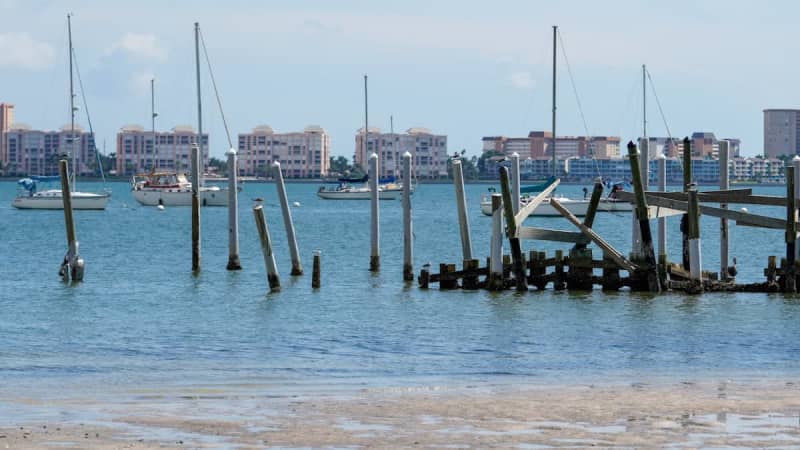
Blank spaces remind us of what was. A divot on the other side of a bed. An empty dog bowl and no scratches at the door. A hurricane season infused with inordinate dread.
Florida has emerged on the other side of 2025 unscathed by storms, blessed with a breath to continue cleanup from last year’s horrors. Fears of crushed roofs and floating homes will peter out as December dawns with, of all things, a drought.
It’s tempting to view this absence of activity as cosmic retribution for Helene and Milton. How simple it feels to think we needed this, to frame the calm as an offering to offset lives lost, businesses stalled, construction permits stacked up like a thousand terrible dissertations.
It’s even more tempting to interpret 2025’s silence as a sign that everything is sliding back to normal, that forecasts for an above-average season amounted to a psychogenic illness birthed by a hysterical media. As early as this summer, social posts of questionable veracity went viral, declaring hurricane season over, causing the National Weather Service to reply, in essence: uh, no. Look to the comment section of any weather page, and you’ll see it, too. Willful ignorance, the words “clickbait” and “hype” used ad nauseam.
To be fair, who among us doesn’t have bad news fatigue? During the height of COVID-19, a brand of simplistic language seemed to copulate and repopulate. Let’s call these wishful sayings TJ Maxxims, pat expressions one might find swirled on canvas near the coffee syrups and salad spinners. In the T-shirty lemniscate of “faith over fear,” everything would work out fine. Millions of deaths and an upheaval of society later, we know we cannot “live, laugh, love” our way out of disaster.
Likewise, to let our proverbial storm shutters down now would be a mistake.
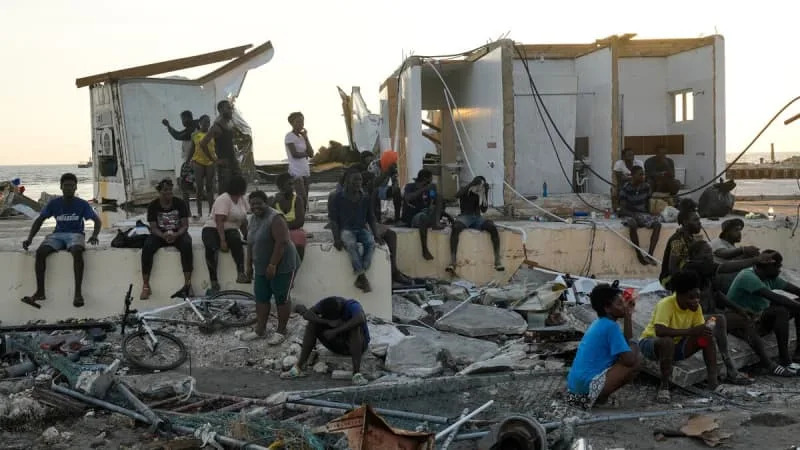
It would be too easy, too provincial to seek reassurance only in our backyard. Consider Jamaica, pummeled in October by Hurricane Melissa, one of the strongest Atlantic storms to ever make landfall. The island nation lost more than 50 lives and is plagued by a bacterial outbreak in contaminated water.
While weather patterns and high wind shear spared us by pushing systems east this season, 13 named storms still formed in the Atlantic. Despite eerie lulls in activity, National Hurricane Center predictions were largely correct.
In the perpetually heating waters of man-made climate change, several storms blossomed into menacing Category 5s. One expert told the Tampa Bay Times he saw “exceptional” rates of intensification, and witnessing major hurricanes explode was “extraordinary.” Melissa, for example, got so big so fast because the water was not only hot on the surface — it was hot deep down.
No doubt, the statistics can get overwhelming. What is there for an average person to do except hope for the best? It’s not like anyone can drop a giant ice cube into the Atlantic while our hurricane kits gather dust. It’s not like we can ever be guaranteed protection.
We don’t have to crumble into anxiety, but we must not abandon our tropical to-do lists. Batteries and Chef Boyardee, yes. Making difficult decisions on how and where to rebuild or buy homes, yes.
Also, we would do well to support elected leaders who:
Boldly prioritize the health of Florida’s environment and the safety of its people over the interests of big business. We must stop sacrificing our fragile coastlines and clean water to condos, roads and shady land deals.
Fully fund public health initiatives, emergency management agencies and social programs that help before and after a storm. This should include more attention to pregnant people and new parents who are more at risk during weather crises.
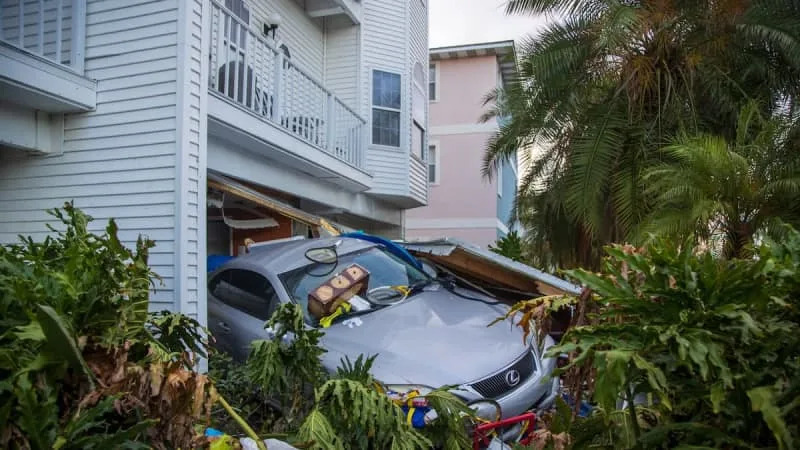
Put more guardrails on safety, not fewer. Florida’s Legislature made progress this year when it passed a commonsense bill requiring heavy equipment at construction sites to be secured before a hurricane hits. The change doesn’t go far enough, though, as state law still bafflingly prevents local governments from regulating cranes in their own cities.
Advocate for the robust existence — not random slashing — of the Federal Emergency Management Agency, the National Weather Service and all organizations tasked with predicting dangerous weather and pulling Americans out of harm’s way.
Believe science over charisma.
Know that living in paradise will always be a gamble. That we’re allowed to feel lucky, dodged, somehow exalted, but that the gift of being missed by catastrophe is never a pass to opt out of protecting this wild and precious place we call home.
Get Stephanie’s newsletter
For weekly bonus content and a look inside columns by Stephanie Hayes, sign up for the free Stephinitely newsletter.