
Most students walk past FGCU’s glistening ponds without a second thought, but those still waters are doing more than just reflecting trees. These ponds and the greenery around them help protect the campus itself.
The Estero campus has 14 stormwater detention ponds that collect rainwater and help prevent flooding. These ponds not only provide flood control during storms but have also become the focus of one professor’s research. These ponds are at the center of Dr. James Douglass’ latest study. He’s a professor and a marine benthic ecology expert, and he understands the integral role these ponds play on campus.
“The idea of detention and retention ponds is to partially make up for what the natural landscape is no longer providing. Specifically, the detention and retention ponds are designed to: Prevent flooding and protect water quality by trapping and processing pollution before it progresses,” Douglass said.
On such a lush and forested campus, it’s easy to get lost in the greenery, but some of its most important features are often overlooked. These retention ponds provide crucial flood control and research opportunities to students.
Story continues below advertisement
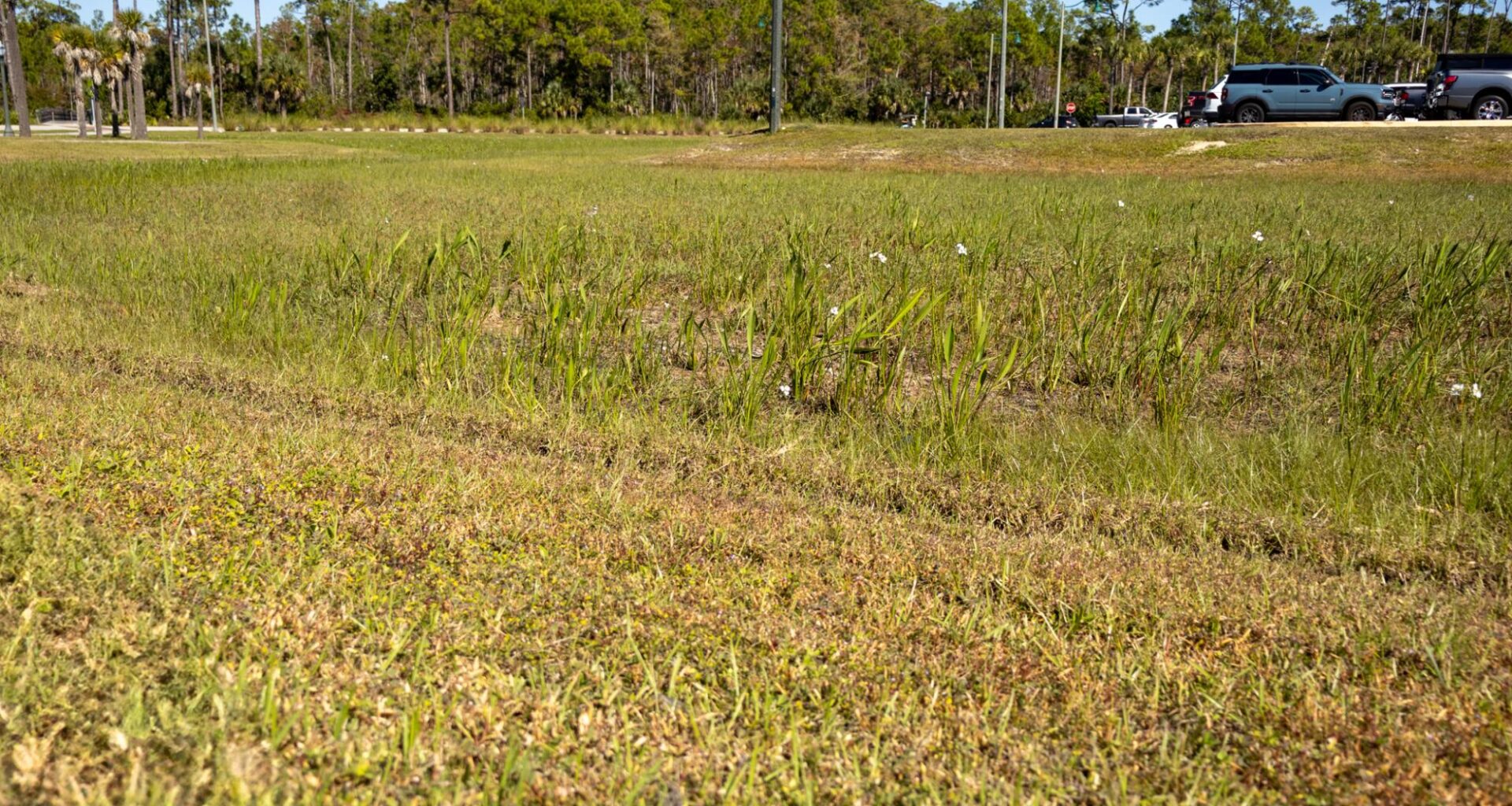
Recently, these protective ponds underwent trimming, the process of managing shortline growth and aquatic vegetation. The trimming of these ponds can worsen water quality and flooding on campus.
“If ponds are destroyed or managed poorly, we will experience more flooding, worse water quality, and loss of native plant and animal diversity,” Douglass said.
Douglass continues his research despite the potential effects of these trimmings.
“It will affect future studies, but we can still learn from it, because it gives us the opportunity to compare what happens when the ponds are mowed versus when they are left alone,” Douglass said.
Though the trimming has altered the ponds’ original conditions, Douglass said valuable data remains. However, this research could have been more fruitful before trimming.
“Preliminarily, there seems to be a strong trend of having more diversity of both plants and birds in the unmowed detention ponds,” Douglass said.
Ani Harutyunyan, a second-year marine science major who grew up in Florida, is a campus naturalist. Campus naturalists act as a bridge between the campus community and University Colloquium students.
They help students connect with the campus ecology. Like Douglass, Harutyunyan has conflicting feelings about the trimming of these ponds.
“I’m not the biggest fan of mowing the ponds,” Harutyunyan said. “Obviously, I understand it’s a college campus, and the greenery needs to be maintained to a certain extent, but since sustainability is such an integral part of FGCU’s statement, I would prefer to see more being done to showcase that.”
Some feel that the trimming of these ponds could have been approached differently. Douglass feels the most significant issue surrounding the ponds is convincing pond owners and managers of the benefits of allowing plants to grow in them.
“People think that by mowing and poisoning the plants they are keeping the pond ‘clean,’ but the opposite is actually true: plants are what allow the pond to effectively remove pollution, so the more naturally vegetated a pond is the better,” said Douglass.
When these retention ponds are allowed to expand, more research can be conducted.
“As Florida’s rainy season ends, FGCU conducts routine maintenance to clean and maintain the smaller ponds around campus,” said Director of University Communications Pam McCabe.
Douglass has been studying retention ponds for over four years and believes that, though the ponds’ current condition is adequate, they could benefit from reduced maintenance.
“FGCU’s relatively naturally managed wet retention ponds are a great example for the community,” Douglass said. “However, even here at FGCU, we have some pond management practices that need improvement. For example, we mow many of our dry detention ponds, preventing them from being as diverse and functional as they could be if we let them develop more natural plant communities.”